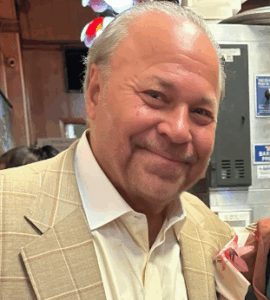


Saurabh Shukla is one of those rare Indian artists who can make you laugh, think, and worry about a character in the very same scene
He has done it all. Stage. Television. Films. Writing. Direction. He is both a celebrated actor and a respected storyteller. If you watched Satya in 1998 and still remember “Kallu Mama,” that is Shukla’s craft working on you even today.
If you loved Jolly LLB, you probably cheered when the National Film Awards honored him as Best Supporting Actor for his unforgettable Judge Tripathi. His career is a masterclass in patience and reinvention.
He moved from theatre to television and then to films, while also writing and directing along the way.
Over four decades, Shukla has built a filmography that mixes gritty realism and gentle humor. From Bandit Queen to Satya, from Barfi! to PK, from Jolly LLB to Raid, and more recent titles across mainstream and indie cinema, he has stayed relevant without chasing trends.
He keeps returning to theatre too, which keeps his tools sharp. And in 2025, the buzz around Jolly LLB 3 shows his most loved onscreen avatar, Judge Tripathi, is still very much in demand.

Also Read: Kim Sharma Bio, Career, Movies, Family, Relationships and More
Table of Contents
Saurabh Shukla’s Biography
Early Life and Family
Saurabh Shukla was born on 5 March 1963 in Gorakhpur, Uttar Pradesh. When he was two, his family moved to Delhi. The household was steeped in music and performance.
His father was a trained vocalist from the Agra gharana. His mother, Dr. Jogamaya Shukla, is frequently described as one of the first women in India to play the tabla professionally.
Growing up, Shukla and his elder brother were allowed to watch many films each week. That early exposure created a deep love for cinema.1
He studied at S.G.T.B. Khalsa College in Delhi and turned to theatre in the mid-1980s. The stage quickly became his training ground.
Theatre taught him economy, rhythm, and listening. These skills later helped him pull off film roles that demanded stillness as much as swagger.
Abse main daily tweet karunga 🌚 dekhte h streak kitne din ki banti h
— Saurabh Shukla (@MakeJokeOf) April 8, 2024
Quick Stats
| Field | Detail |
|---|---|
| Full Name | Saurabh Shukla |
| Profession(s) | Actor, Screenwriter, Film Director |
| Date of Birth | 5 March 1963 |
| Birthplace | Gorakhpur, Uttar Pradesh, India |
| Grew Up In | Delhi, India |
| Education | S.G.T.B. Khalsa College, Delhi (reported) |
| Years Active | 1984 – present |
| Spouse | Barnali Ray Shukla (writer and filmmaker) |
| Known For | Kallu Mama in Satya; Judge Tripathi in Jolly LLB |
| Major Award | National Film Award for Best Supporting Actor (Jolly LLB, announced April 16, 2014) |
| Notable Films | Satya (1998), Barfi! (2012), Jolly LLB (2013), PK (2014), Jolly LLB 2 (2017), Raid (2018) |
Theatre Roots and the NSD Repertory Years
Shukla’s professional journey began in theatre around 1984–86. He took on a range of parts in classics like A View from the Bridge and Look Back in Anger, as well as Indian plays like Ghashiram Kotwal.
In 1991, he joined the National School of Drama’s Repertory Company in Delhi as an actor. That year was crucial.
The NSD Repertory gave him a disciplined rehearsal culture and a serious audience. It also put him on the radar of filmmakers who valued strong stage actors.
One of those filmmakers was Shekhar Kapur. Impressed by his stage work, Kapur cast him in Bandit Queen (1994). That part opened doors to film roles and, soon after, to television.
His move from stage to screen was not an escape from theatre. It was a natural step for an actor who wanted to tell different kinds of stories.
Television Breakthrough: Tehkikaat and Beyond
Before Satya happened, Indian TV viewers knew Shukla as Gopichand, the earnest sidekick to Vijay Anand’s detective Sam D’Silva in the Doordarshan crime drama Tehkikaat (1994–95).
The show ran for 52 episodes and became a fond memory for a generation that grew up on DD National. Playing Gopichand gave Shukla a national face and a steady platform to hone onscreen timing.
He also wrote and acted in 9 Malabar Hill on Zee TV and later created the comedy series Little Mirchi Thoda Pepper (2000), which he wrote with his wife, Barnali.
Television taught him speed. Theatre taught him depth. Together they created an actor who could switch between genres with ease.
The Satya Revolution: Acting and Co-Writing
The turning point came in 1998. Ram Gopal Varma’s Satya changed the grammar of Mumbai-underworld films.
Shukla co-wrote the film with Anurag Kashyap and also acted as Kallu Mama, a character that has since become part of Hindi film folklore. He picked the right silences and the right smiles.
His Kallu Mama felt real, and that made him scary and oddly endearing at the same time. The screenplay went on to win the Screen Award for Best Screenplay.
In interviews over the years, Shukla has shared anecdotes about how Satya came together, how the writing process worked, and why realism mattered to him.
Despite Satya’s impact, the years after were not easy. In 2014 he recalled that the industry still typecast him and that he had long spells without significant work.
But he held on to the craft, kept writing, and chose roles that excited him. That patience paid off.2

Building a Distinct Filmography
Shukla is the opposite of a one-note actor. He can play a bureaucrat, a judge, a fixer, a father, a guru, and a crook, and make each one specific.
Some key milestones:
-
Bandit Queen (1994): An early film role that brought him into mainstream cinema.
-
Satya (1998): Co-writer and actor. Kallu Mama remains a cult figure.3
-
Dil Pe Mat Le Yaar!! (2000): Co-writer on Hansal Mehta’s film, also acting alongside Manoj Bajpayee and Tabu.
-
Lage Raho Munna Bhai (2006), Yuva (2004), Nayak (2001): Strong character turns in major films.
-
Barfi! (2012): A gentle, precise performance in Anurag Basu’s acclaimed film.
-
Jolly LLB (2013): Judge Sunderlal Tripathi became iconic, and the National Award followed.
-
PK (2014), Kick (2014): Showed his big-ticket mainstream value.4
-
Jolly LLB 2 (2017): Returned as Judge Tripathi with the same mix of warmth and authority.
-
Raid (2018): Memorable turn in a tense Ajay Devgn starrer.
Across these films, he refuses to lean on mannerisms. He studies the setting, the social layer, and the rhythm of the scene.
He can deliver a long courtroom monologue and then steal a moment with one look. Directors trust him because he adds meaning without stealing focus.
Also Read: Helen Ann Richardson Bio: From Burma to Bollywood Legend
National Film Award for Jolly LLB (2014)
On April 16, 2014, the 61st National Film Awards named Saurabh Shukla Best Supporting Actor for Jolly LLB.
It was a popular and critical win. His Judge Tripathi felt like a real person who had seen both the cracks and the courage in India’s legal system.
After the announcement, Shukla said the award came as a surprise and that he was elated. The film itself also won Best Hindi Film.5
The award recognized more than one role. It acknowledged decades of steady craft. It also gave him the space to choose even better parts, many of which followed in both films and streaming projects.
The Writer and Director
Shukla is not only an actor. He writes, and he directs when the story demands his voice.
-
Screenwriting highlights: Satya (co-writer, 1998), Dil Pe Mat Le Yaar!! (writer, 2000), Calcutta Mail (screenplay, 2003). In interviews, he often speaks about why words alone do not carry meaning and why the scene’s truth matters more than a smart line.
-
Direction and TV creation: He created and wrote the Zee TV comedy series Little Mirchi Thoda Pepper (2000), produced with his wife Barnali Ray Shukla. The series looked at everyday hurdles with humor and empathy.
His dual practice keeps him close to story structure. When he acts, he thinks like a writer. When he writes, he understands what actors need.

Personal Life
Saurabh Shukla is married to Barnali Ray Shukla, a writer and filmmaker who has directed projects like Kucch Luv Jaisaa and produced or co-created television work with Saurabh in earlier years.
The couple has collaborated professionally and share a creative home. Public profiles and film databases list Barnali as his spouse, and media coverage often highlights their parallel careers behind and in front of the camera.
Shukla speaks often about his parents and credits them for a childhood soaked in art. He has described his mother as one of India’s first woman tabla players and his father as a classical vocalist, and he has shared stories of how the family encouraged wide viewing of films. Those memories continue to shape his choices.
Recent Work and What’s Next
Shukla continues to appear in mainstream and mid-budget films while keeping a foot in theatre. In 2025 he is again in the news thanks to Jolly LLB 3.
A playful promo video in August confirmed that both Arshad Warsi and Akshay Kumar are back, and that Judge Tripathi will preside once more.
The franchise blends humor and social commentary, and Shukla’s presence is now part of its DNA.6
Given his range, you can expect him to pivot between genres with ease. Whether it is a sharp cameo in a thriller, a steadying turn in a courtroom drama, or a warm father figure in a slice-of-life story, he brings authority without flash.
His choices also suggest that he will keep writing when the right stories come along.
Career Timeline
-
1984–91: Theatre in Delhi. Joins NSD Repertory as actor (1991).
-
1994: Bandit Queen. TV debut as Gopichand in Tehkikaat.
-
1998: Satya releases. Co-writer and actor. Breakthrough performance as Kallu Mama.
-
2000: Co-writes Dil Pe Mat Le Yaar!!; creates Little Mirchi Thoda Pepper with Barnali Ray Shukla.
-
2004–06: Key roles in Yuva and Lage Raho Munna Bhai.
-
2012–14: Barfi! and Jolly LLB; wins National Award in April 2014. Appears in PK.
-
2017–18: Returns in Jolly LLB 2; impactful role in Raid.
-
2025: Features in the buzz around Jolly LLB 3 promo.
Filmography Snapshot
-
Bandit Queen (1994) – Early film role after theatre and TV recognition.
-
Satya (1998) – Actor and co-writer. Screen Award for Best Screenplay (with Anurag Kashyap).
-
Dil Pe Mat Le Yaar!! (2000) – Writer and actor.
-
Yuva (2004), Lage Raho Munna Bhai (2006) – Strong supporting roles.
-
Barfi! (2012), Jolly LLB (2013) – National Award-winning turn as Judge Tripathi.
-
PK (2014), Kick (2014) – Mainstream hits.
-
Jolly LLB 2 (2017), Raid (2018) – Continued mainstream success.
Awards and Recognition
-
National Film Award (Best Supporting Actor) for Jolly LLB at the 61st National Film Awards, announced on April 16, 2014.
-
Screenplay recognition for Satya with the Screen Award for Best Screenplay.
Mainstream media, including The Indian Express and NDTV, have profiled him around milestones and interviews, underlining how he moved from stage to award-winning cinema without losing his writer’s voice.
Notable Collaborations
-
Ram Gopal Varma & Anurag Kashyap: Co-writing Satya and acting in it placed Shukla in the center of a new wave of Mumbai crime stories.
-
Anurag Basu: Barfi! showcased a gentler, humane side of his screen persona.
-
Subhash Kapoor: Jolly LLB and Jolly LLB 2 established Judge Tripathi as a modern classic character, leading to the 2025 Jolly LLB 3 buzz.
-
Ajay Devgn & Raj Kumar Gupta: Raid gave him a tense, grounded space to perform.
View this post on Instagram
FAQ’s
1) When and where was Saurabh Shukla born?
He was born on 5 March 1963 in Gorakhpur, Uttar Pradesh, and grew up in Delhi.
2) How did he start his career?
He began with theatre in Delhi in the mid-1980s and joined the NSD Repertory in 1991. Theatre led to roles in Bandit Queen and the TV series Tehkikaat in 1994.
3) What is his most famous role?
Two roles stand out. Kallu Mama in Satya (1998) and Judge Sunderlal Tripathi in Jolly LLB (2013). The latter won him the National Film Award for Best Supporting Actor.
4) Did Saurabh Shukla write Satya?
Yes. He co-wrote Satya with Anurag Kashyap and also acted in the film.
5) Which award did he win for Jolly LLB?
He won the National Film Award for Best Supporting Actor. The winners were announced on April 16, 2014.
Conclusion
Saurabh Shukla’s story is a reminder that there is no single way to build a lasting career in cinema.
You can start on stage, write your way into films, and then act your way into the audience’s heart. You can take breaks, face typecasting, and still return with a role that wins the National Award.
His journey says that consistency matters more than hype and that craft outlives trends. If you care about Hindi cinema that values both heart and craft, you end up admiring Saurabh Shukla.
Also Read: Rushad Rana Wiki, Bio, Wife, Family, TV Serials and Net Worth