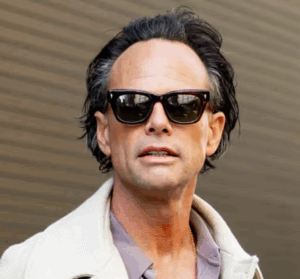

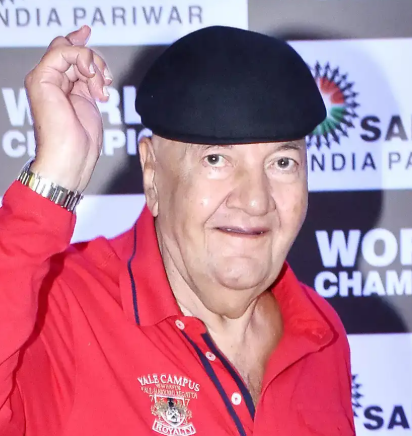
In the vast and vibrant tapestry of Indian cinema, few actors have carved as memorable a niche as Prem Chopra
Known primarily for his villainous characters, he became one of Bollywood’s most iconic antagonists, thanks to his memorable dialogues, his potent screen presence and the sheer longevity of his career.
Born in pre-Partition India and having worked through decades of cinematic change, his story is one of perseverance, adaptation and craft.
In this article we’ll explore his early life, his breakthrough, his golden era, his later years, the legacy he leaves behind and that famous line: “Prem naam hai mera… Prem Chopra.”
We’ll also include a table with key statistics, answer frequently-asked questions and provide sources for those curious to dive deeper.
Also Read: Hema Malini Bio, Age, Family, Career, Movies, Husband, and More
Table of Contents
Prem Chopra’s Biography
Early Life & Background
Prem Chopra was born on 23 September 1935 in Lahore (then in British India, now Pakistan). He was the third of six children to Ranveer Lal and Rooprani Chopra, a Punjabi Hindu family. 1
After the Partition of India in 1947, his family moved to Shimla, where Chopra completed his schooling at S.D. Senior Secondary School. He then graduated from Panjab University.
Chopra developed an interest in theatre and drama in his college days, participating in plays in Hindi, English, Punjabi and Urdu.
His father initially wished for him to pursue a more “respectable” profession perhaps as a doctor or an administrative officer but Chopra’s passion for acting persisted. 2
When he moved to Bombay (now Mumbai) to pursue a career in films, he had to first find a job to satisfy his father’s conditions. He joined the circulation department of The Times of India, where he would travel extensively while pursuing acting auditions in his remaining time.
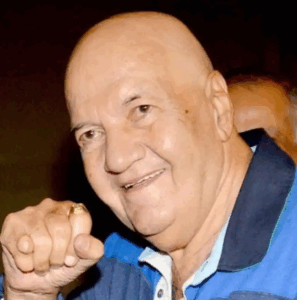
Entry into Films: The Early Years (1960s)
Chopra’s film debut was in a Punjabi film titled Chaudhary Karnail Singh (Punjabi) where he got a lead-role opportunity. He later moved into Hindi films. One of his early notable appearances was in Woh Kaun Thi? (1964), a suspense thriller directed by Raj Khosla.
While initially he tried for hero roles, by the mid-1960s he began getting recognized for his villainous character parts. In the film Shaheed (1965) he played Sukhdev, which remains a rare positive role in his early days.
His distinctive look, deep voice and ability to convey menace with subtlety led directors to cast him as the antagonist more often. On one occasion, he recounts how director Mehboob Khan told him he would be typecast as a villain if he took a negative role in Woh Kaun Thi?.
The Golden Era: 1960s to 1980s
From the late 1960s through the 1980s, Prem Chopra became a fixture in Hindi cinema. He appeared in over 380 films in a career spanning six decades.
Among his most iconic films:
-
Upkar (1967) – A patriotic film, where his role added depth to the narrative.
-
Bobby (1973) – In this film, the dialogue “Prem naam hai mera… Prem Chopra” became legendary.
-
Kranti (1981) – Another major film of the era.
Chopra worked with multiple generations of Bollywood stars, from Rajesh Khanna to Amitabh Bachchan and beyond.
He adapted to playing character roles when the era of the classical villain changed. In an interview he said: “I am happy being a villain… I have no regrets.”
Despite being typecast as the “baddie”, his work ethic, discipline and sincerity earned him respect from colleagues and filmmakers.
In another interview, he emphasised the insecurity all actors feel, how competition never goes away, and how honesty and hard work helped him stay relevant.3
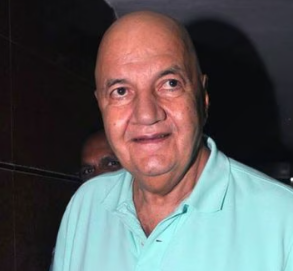
Transition & Later Career: 1990s to Present
As Hindi cinema evolved, so did Prem Chopra’s roles. He moved into character roles, cameos, supporting parts and even comic-villain turns. His career longevity is noteworthy many actors from his era faded away, yet he kept working.
For example:
-
He played in Udanchhoo (2018), a comedy film featuring him in a supporting role.
-
He has been honoured with lifetime achievement awards recognising his decades of contribution to Indian cinema.
Beyond acting, he re-released his autobiography Prem Naam Hai Mera, Prem Chopra (written by his daughter Rakita Nanda) and dedicated a special edition to the Indian Armed Forces. 4
His real-life personality calm, disciplined and family-oriented contrasts sharply with his on-screen image. Many actors have remarked about the ease of working with him and the respect he commands behind the scenes.
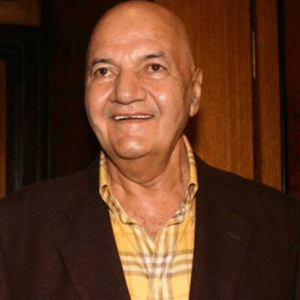
Personal Life & Family
Prem Chopra’s personal life is rooted in strong family values. He married Uma Chopra in 1960, and they have three daughters: Rakita, Punita and Prerna.
His daughters are married into film-industry families:
-
Prerna Chopra is married to actor Sharman Joshi.
-
Punita is married to actor/singer Vikas Bhalla.
Chopra lives in Bandra (Mumbai) in a duplex apartment in Pali Hill. He has often spoken about his sister Anju, for whom he and his brothers have felt a strong responsibility since their mother’s early demise.
Also Read: Dharmendra Bio, Age, Wife, Family, Movies, Net Worth and Facts
Key Statistics
| Category | Details |
|---|---|
| Full Name | Prem Chopra |
| Date of Birth | 23 September 1935 |
| Place of Birth | Lahore, Punjab, British India (now Pakistan) |
| Education | Graduated from Panjab University (Shimla/Chandigarh region) |
| Years Active | From early 1960s to present (six decades+) |
| Number of Films | Appeared in over 380 films |
| Signature Dialogue | “Prem naam hai mera… Prem Chopra.” |
| Famous for | Villainous roles in Hindi cinema, later character roles |
| Major Awards | Lifetime Achievement Awards (e.g., Screen, Filmfare) |
| Book | Prem Naam Hai Mera, Prem Chopra (2014) |
| Family | Married to Uma Chopra (1960), three daughters |
Legacy & Impact
Prem Chopra’s contribution to Indian cinema is multifaceted:
-
Iconic Villainy: At a time when the villain had to be larger than life, Chopra delivered memorable performances that made his antagonists compelling, credible and unforgettable. His voice, posture and expressions set a standard.
-
Adaptability: Many actors who specialised in negative roles were boxed in, but Chopra successfully transitioned into character roles and supporting roles as the industry changed.
-
Professionalism & Discipline: His long career is a testament to his work ethic, humility and ability to network and stay relevant. In interviews he credits honesty and not getting involved in gossip as part of his longevity.
-
Cultural Reference: The dialogue “Prem naam hai mera…” became part of the popular lexicon, quoted and parodied for decades. It reflects the power of an actor’s image in public consciousness.
-
Inspirational Narrative: For many aspiring actors, his journey from a job in newspaper circulation, to early struggle, to becoming a recognized figure demonstrates perseverance.
Beyond film, his decision to dedicate the re-release of his biography to the armed forces underlines his sense of social responsibility.5
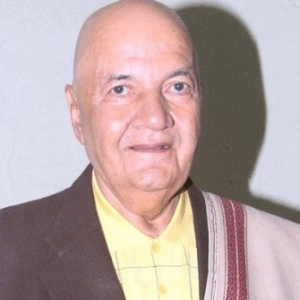
Filmography
While Chopra’s filmography runs into hundreds of titles, here are some noteworthy ones:
-
Woh Kaun Thi? (1964) – Early Hindi film appearance.
-
Shaheed (1965) – Played Sukhdev, rare positive role.
-
Upkar (1967) – Patriotic area film.
-
Bobby (1973) – Iconic for his antagonist role and signature dialogue.
-
Kranti (1981) – One of his significant 1980s films.
-
Udanchhoo (2018) – Example of his late-career work.
View this post on Instagram
FAQ’s
Q1: Is Prem Chopra still active in films?
Yes. While his pace of work has slowed compared to his earlier decades, he continues to be involved in films, appearances and is still recognised for his legacy.
Q2: Why is he so well known for a single dialogue?
The line “Prem naam hai mera… Prem Chopra” from the film Bobby (1973) became extremely popular. It captured audience attention and stuck in popular memory.
Q3: Did he always play the villain?
No. Early in his career he also tried for hero roles and played positive roles (for example in Shaheed). But he found his niche as a villain and embraced it, saying he had no regrets.
Q4: What is his connection to the Kapoor family?
He is married to Krishna Kapoor’s (wife of Raj Kapoor) sister, Uma, which makes him related by marriage to some members of the Kapoor family.
Q5: Has he written an autobiography?
The autobiography Prem Naam Hai Mera, Prem Chopra was written by his daughter Rakita Nanda and released in 2014. A special edition was re-released in 2025 dedicated to Indian soldiers.
Q6: What awards has he received?
He has been honoured with several awards, including Lifetime Achievement Awards, recognition by the Screen Awards (2020) etc.
Conclusion
Prem Chopra is much more than just a villain in Hindi cinema though the screen roles indeed made him unforgettable.
His life encapsulates a remarkable journey: from a young man in post-Partition India with a dream, through decades of change in Bollywood, adapting to shifting genres, surviving the test of time, and earning respect both on and off screen. His legacy is not just in the films he made but in the reputation he upheld.
As Bollywood continues to evolve, the era of cinematic antagonists may change, but names like Prem Chopra remain symbolic of a certain golden-age of Hindi films. His story gives us insight into persistence, craft and reinvention.
Also Read: Mehul Nisar Bio, Family, Career, TV Shows, and Unknown Facts