

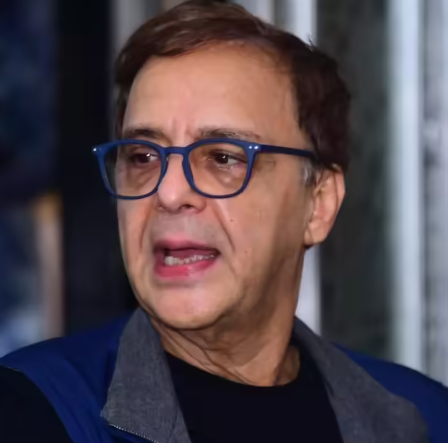
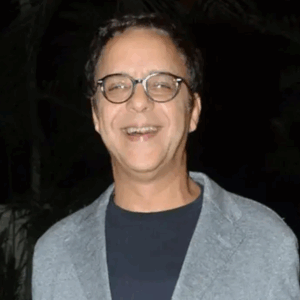
Vidhu Vinod Chopra is one of the most respected and influential filmmakers in Indian cinema. His journey from the valleys of Kashmir to the forefront of Bollywood is a story of passion, persistence, and visionary storytelling
Over the last four decades, Chopra has built a reputation for making films that combine emotional depth, strong characters, and meaningful themes. He is known for delivering memorable stories that stay relevant across generations.
His contribution to Indian cinema spans directing, writing, and producing. Whether it is Parinda, 1942: A Love Story, Munna Bhai MBBS, 3 Idiots, PK, or 12th Fail, each project reflects his ability to blend creativity with social insight.
Chopra’s work is marked by authenticity, cinematic craftsmanship, and a commitment to producing high-quality films.
This biography explores his early life, education, career milestones, filmmaking style, awards, and overall impact on Bollywood. It also includes interesting facts, a stats table, FAQs, and references.
Also Read: Seema Pahwa Bio, Life, Family, Movies, Career & Inspiring Journey
Table of Contents
Vidhu Vinod Chopra’s Biography
Early Life and Background
Vidhu Vinod Chopra was born on 5 September 1952 in Srinagar, Jammu & Kashmir.
He grew up in a culturally rich environment filled with literature, theatre, and art. His father was a doctor, and his family believed strongly in education and creativity.
Growing up in Kashmir deeply influenced him. The beauty of the region, the storytelling traditions, and the emotional warmth of the people played an important role in shaping his artistic sensibilities.
These early experiences can be seen in many of his later films, which often explore human relationships, moral dilemmas, and the complexity of Indian society.
At #IFFI2025, the screens lit up with #1942ALoveStory and so did the unscripted stories!
Vidhu Vinod Chopra and Abhijat Joshi took us behind the scenes, between the lines, and into the core of filmmaking 🎥🔥 pic.twitter.com/pilZPZvKrg
— Vidhu Vinod Chopra Films (@VVCFilms) November 26, 2025
Family Influences
Chopra’s mother played a key role in nurturing his love for cinema. She often took him to watch films, and over time he developed a fascination for the craft.
He began experimenting with photography and amateur filmmaking during his teenage years.
Passion for Cinema
Even as a child, Chopra felt drawn to the world of storytelling. He enjoyed observing people, capturing moments, and imagining narratives. By the time he reached college, he knew he wanted to pursue filmmaking as a career.
Education and Film Training
After finishing his early education in Srinagar, Chopra moved to Pune to study at the prestigious Film and Television Institute of India (FTII).
FTII is known for producing some of the finest filmmakers in the country, and studying there gave him exposure to world cinema, filmmaking techniques, and disciplined craft.
During his time at FTII:
-
He learned cinematography, editing, and directing.
-
He studied films by international masters like Akira Kurosawa, Satyajit Ray, Alfred Hitchcock, and Francois Truffaut.
-
He made short films and documentaries that won recognition and awards.
Student Achievements
One of his early short films, An Encounter with Faces, was nominated for the Academy Award for Best Documentary Short in 1979. This achievement brought him international praise while he was still a student.
Beginning of Career
After graduating from FTII, Chopra shifted to Mumbai to start his professional journey.
Entering Bollywood was not easy, especially for a young man without industry connections. He worked on documentaries, assisted filmmakers, and slowly built a reputation for sharp storytelling.
Early Projects
His early work included:
-
Murder at Monkey Hill
-
An Encounter with Faces
-
Sazaye Maut
These films won awards and impressed critics, helping Chopra get noticed. He soon began working on feature films, determined to bring fresh ideas and authentic storytelling to Bollywood.

Rise to Prominence
Chopra’s breakthrough came with Parinda (1989). The film is considered one of the earliest realistic crime dramas in Bollywood and is often called the “mother of Indian gangster films.”
Parinda (1989): A Turning Point
Parinda featured:
-
Jackie Shroff
-
Anil Kapoor
-
Nana Patekar
-
Madhuri Dixit
The film stood out because of:
-
Realistic portrayal of Mumbai’s underworld
-
Strong emotional core
-
Tight screenplay
-
Powerful performances
Nana Patekar’s role became iconic, earning him critical acclaim. Chopra’s direction received widespread praise, and Parinda won several National Awards.
1942: A Love Story (1994)
This romantic drama set during India’s independence movement further strengthened Chopra’s position as a director with strong emotional depth.
The film is remembered for:
-
A.R. Rahman’s unforgettable music
-
Heartfelt performances
-
Beautiful cinematography
-
Poetic storytelling
The song “Ek Ladki Ko Dekha” became timeless, and the film continues to attract new audiences.
Establishing Himself as a Producer
While Chopra was gaining recognition as a director, he also began producing films. Over time, he became one of Bollywood’s most successful and respected producers.
His production house, Vinod Chopra Films, built a reputation for supporting meaningful, high-quality cinema.
Collaboration with Rajkumar Hirani
One of the most important partnerships in Chopra’s career is with director Rajkumar Hirani. Together, they created some of the biggest blockbusters in Indian history.
1. Munna Bhai MBBS (2003)
A comedy-drama starring:
-
Sanjay Dutt
-
Arshad Warsi
-
Gracy Singh
The film was loved for its heartwarming story, memorable characters, and positive message. It introduced the concept of “Jadoo ki Jhappi” and became a cultural phenomenon.
2. Lage Raho Munna Bhai (2006)
The sequel was even more successful. It revived Gandhian philosophy in modern India through the idea of “Gandhigiri.” The film had a huge social impact and remains one of Bollywood’s most influential movies.
3. 3 Idiots (2009)
A groundbreaking film starring:
-
Aamir Khan
-
Kareena Kapoor
-
R. Madhavan
-
Sharman Joshi
-
Boman Irani
3 Idiots became one of the highest-grossing Indian films of all time. It addressed:
-
Pressure of education
-
Mental health
-
Importance of passion and creativity
The film connected with audiences worldwide and continues to be among Bollywood’s most loved movies.
4. PK (2014)
Another massive hit, PK combined comedy and social commentary to address religious beliefs and blind faith.
Aamir Khan’s performance, unique storyline, and Chopra’s production values made it a blockbuster.
Later Career and Continued Success
Chopra continued producing and directing films with strong themes. Some of his later works include:
Wazir (2016)
A thriller drama starring Amitabh Bachchan and Farhan Akhtar. The film explored friendship, grief, and revenge.
Shikara (2020)
Chopra returned to direction with Shikara, a film based on the exodus of Kashmiri Pandits. This topic was deeply personal to him because he experienced the situation firsthand.
12th Fail (2023)
One of his biggest critical successes in recent times.
The film starred Vikrant Massey and told the inspirational story of Manoj Kumar Sharma, who rose from poverty to become an IPS officer.
12th Fail received widespread appreciation for:
-
Realistic storytelling
-
Strong performances
-
Motivational message
-
Emotional impact
The film revived Chopra’s directorial acclaim and introduced his work to a younger generation.
Filmmaking Style
Vidhu Vinod Chopra’s films reflect a unique blend of realism, emotional storytelling, and technical finesse.
His style is defined by:
1. Deep Emotional Themes
Whether it is love, friendship, family, or social issues, Chopra’s films often explore human emotions in a powerful way.
2. Realistic Characters
His characters feel real and relatable. They have flaws, strengths, dreams, and vulnerabilities.
3. Strong Writing
Chopra believes that the foundation of a great film is a strong story. He spends a lot of time on writing and rewrites until he is satisfied.
4. Visual Craftsmanship
His films often feature stunning cinematography, detailed sets, and beautiful imagery.
5. Social Relevance
Many of his films address important social topics such as education pressure, corruption, morality, and humanity.
Also Read: Ahsaas Channa Bio, Age, Family, Career, Boyfriend and More
Awards and Recognition
Over the years, Chopra has won numerous awards, both national and international.
Major Awards
-
National Film Awards
-
Filmfare Awards
-
Academy Award nomination for An Encounter with Faces
-
IIFA Awards
-
Global Indian Film Awards
-
Stardust and Screen Awards
Honours for Individual Films
-
Parinda won two National Awards.
-
Munna Bhai MBBS won several Filmfare Awards.
-
Lage Raho Munna Bhai received the National Award for Best Popular Film.
-
3 Idiots won multiple national and international awards.
-
12th Fail received several critic honours.
Stats and Key Information
| Category | Details |
|---|---|
| Full Name | Vidhu Vinod Chopra |
| Date of Birth | 5 September 1952 |
| Place of Birth | Srinagar, Jammu & Kashmir |
| Nationality | Indian |
| Occupation | Director, Producer, Screenwriter |
| Production House | Vinod Chopra Films |
| Education | Film and Television Institute of India (FTII) Pune |
| Debut Short Film | Murder at Monkey Hill |
| Breakthrough Film | Parinda (1989) |
| Most Successful Films | Munna Bhai series, 3 Idiots, PK |
| Latest Major Success | 12th Fail (2023) |
| Spouse | Anupama Chopra |
| Children | Agni Chopra (cricketer), others |
| Notable Collaborators | Rajkumar Hirani, Aamir Khan, Nana Patekar |
Impact on Bollywood
Vidhu Vinod Chopra has played a key role in elevating the quality of Indian cinema.
His influence can be seen in:
1. Better Film Standards
He emphasized powerful stories, realistic acting, and top-tier technical work.
2. Revival of Meaningful Cinema
His films encouraged filmmakers to balance entertainment with social relevance.
3. Mentoring New Talent
Chopra supported new directors, technicians, actors, and writers. He nurtured talents like Rajkumar Hirani, Abhijat Joshi, and many others.
4. Global Recognition
His films reached international audiences and brought respect to Indian cinema.
5. Long-Lasting Cultural Impact
Movies like Munna Bhai, 3 Idiots, and 12th Fail continue to influence discussions on society, education, and personal growth.
Personal Life
Vidhu Vinod Chopra is married to Anupama Chopra, a well-known film critic and author. Their son, Agni Chopra, is a cricketer who has played at national levels.
Chopra maintains a private personal life. He prefers spending time with family, reading, writing, and exploring new ideas for films. Despite his fame, he comes across as humble, disciplined, and passionate about cinema.
Legacy
Chopra’s legacy is defined by:
-
Creative brilliance
-
Risk-taking spirit
-
Commitment to meaningful storytelling
-
Ability to create cinema that blends entertainment and purpose
For many aspiring filmmakers, Vidhu Vinod Chopra is an inspiration. His career shows that passion, consistency, and authenticity can help anyone rise to the top.
View this post on Instagram
FAQ’s
1. Who is Vidhu Vinod Chopra?
He is a renowned Indian film director, producer, and writer known for films like Parinda, 1942: A Love Story, Munna Bhai MBBS, 3 Idiots, and 12th Fail.
2. What is his date of birth?
He was born on 5 September 1952.
3. Where is Vidhu Vinod Chopra from?
He is from Srinagar in Jammu & Kashmir.
4. What is Vidhu Vinod Chopra’s most successful film?
3 Idiots and PK are among his most successful films commercially.
5. What was his first major hit?
Parinda (1989) was his breakout film as a director.
6. Which film revived his reputation recently?
12th Fail (2023) earned huge critical and commercial success.
7. Is Vidhu Vinod Chopra married?
Yes, he is married to film critic Anupama Chopra.
8. What awards has he won?
He has won National Awards, Filmfare Awards, and received an Oscar nomination for An Encounter with Faces.
9. Which actors has he worked with frequently?
Aamir Khan, Sanjay Dutt, Boman Irani, Nana Patekar, and others.
10. What makes his filmmaking special?
Emotional depth, strong writing, realism, and high production quality.
Also Read: Girija Oak Biography, Age, Family, Movies, Career and More