
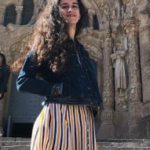
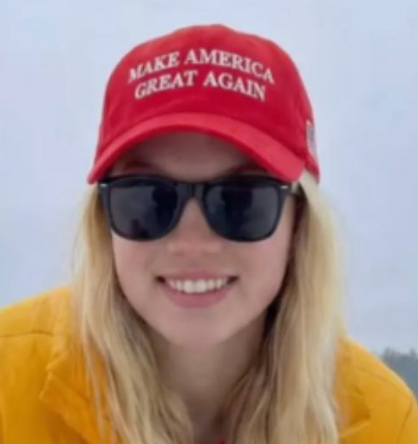
The internet has always been a place where reality and fiction mix. But in 2026, the line between human creators and artificial intelligence has become harder to recognize than ever before. One of the biggest examples of this shift is the viral story of “Emily Hart,” a social media influencer who was recently revealed to be not a real person but an AI-generated character
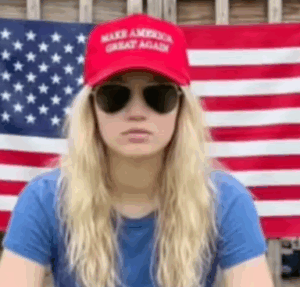
Emily Hart was presented online as a glamorous, bold and politically outspoken influencer. She built a strong following, attracted engagement and even sparked emotional reactions from fans who believed she was real.
However, reports later confirmed that Emily Hart did not exist as a human being. She was created using generative AI tools and carefully designed to behave like a real social media personality. The revelation triggered massive online debate.
People began questioning how many influencers they follow are actually real. It also raised concerns about trust, authenticity and the future of content creation in a world where AI can generate realistic humans in seconds.
This article explores the Emily Hart case, the rise of AI influencers, how they work, their impact on society and what this means for the future of social media.
Also Read: Onision Biography: Rise, Controversy and Current Online Activity
Table of Contents
Who Is Emily Hart and Why Did She Go Viral?
Emily Hart became popular on platforms like Instagram and other social media channels. 1
Her content appeared highly realistic. She posted lifestyle images, political opinions and engaging captions that mimicked real influencer behavior.
She was described as:
- A conservative-leaning online personality
- A glamorous lifestyle influencer
- A controversial figure in political discussions
- A high-engagement content creator
Her posts quickly gained traction, with thousands of followers engaging daily. Many users believed she was a real woman sharing her personal views and lifestyle.
However, investigations later revealed a different truth: Emily Hart was not human. She was an AI-generated influencer created using advanced AI tools designed to produce realistic faces, captions and engagement behavior.
According to recent reports, the creator behind the persona used AI systems to generate images and automate content creation, allowing the account to behave like a real influencer while requiring minimal effort to maintain.
This discovery shocked many users and led to a wave of confusion and anger across social platforms.
🚨 A popular MAGA influencer, Emily Hart, who built a strong following among conservative users in the US for posting pro-Trump content, has turned out to be an AI-generated persona created by a 22-year-old man in India. (WIRED) pic.twitter.com/zkp388aZIp
— Indian Tech & Infra (@IndianTechGuide) April 23, 2026
Stats Table
| Category | Data |
|---|---|
| Estimated AI influencer accounts on social platforms | Growing rapidly, thousands globally |
| Engagement rate of AI influencers | Often equal or higher than human influencers in niche categories |
| Brands using virtual influencers | Increasing yearly across fashion, tech, and entertainment |
| Average cost per AI influencer post | Lower than human influencer campaigns |
| AI influencer monetization methods | Ads, subscriptions, affiliate links, merchandise |
The Rise of AI Influencers and Digital Personas
To understand why the Emily Hart story became so viral, it is important to look at the broader trend of AI influencers. Research shows that AI-generated influencers are already a growing part of the digital economy. 2
Some virtual influencers have gained hundreds of thousands or even millions of followers while never existing in real life.
For example, earlier AI influencers like Lil Miquela and others have collaborated with major brands and proven that audiences often do not immediately realize they are not human.

What Exactly Is an AI Influencer?
An AI influencer is a digital character created using artificial intelligence. These influencers can:
- Look like real humans
- Post images and videos
- Write captions and comments
- Interact with followers
- Build a consistent online personality
According to research, AI influencers are typically used on platforms like Instagram, TikTok and X (Twitter), where visual content is dominant.
These digital personas are powered by:
- Generative AI image tools
- Deepfake technology
- AI text generation systems
- Automated engagement scripts
Some AI influencers are clearly fictional and stylized. Others, like Emily Hart are designed to appear completely real, making it difficult for users to tell the difference.
Why Emily Hart’s Case Became So Controversial
The Emily Hart situation stood out because it was not just about an AI character. It involved emotional engagement, political messaging and monetization.
1. She looked extremely realistic
Her images and videos appeared authentic enough to pass as a real influencer.
2. She built a strong identity
Emily Hart was designed with opinions, personality traits and lifestyle content.
3. She targeted emotional audiences
Her content was structured to trigger strong reactions and engagement.
4. She generated money
Reports suggest AI influencers like her can earn through subscriptions and brand deals.
5. Many users believed she was real
This led to confusion, trust issues, and backlash after the truth was revealed.
The controversy was not just about technology. It was about trust in the digital world.

The Bigger Picture: AI Influencers Are Already Everywhere
Emily Hart is not an isolated case. She is part of a rapidly growing trend.
AI Influencers Are Becoming Mainstream
Recent studies and reports show:
- AI-generated influencers are increasing across social media platforms
- Many virtual personalities are already monetized
- Some influencers are fully AI-generated but present themselves as real
- Brands are experimenting with AI creators for marketing campaigns
According to industry reports, virtual influencers are already part of the multi-billion-dollar creator economy, where digital content is monetized at scale.
How AI Influencers Are Made
Creating an AI influencer involves several technologies working together. 3
1. AI Image Generation
Tools generate realistic human faces and environments.
2. Deep Learning Models
These models maintain consistency in appearance across posts.
3. Language Models
AI writes captions, comments, and replies.
4. Behavioral Design
Creators define personality traits like humor, opinions and tone.
5. Automation Tools
Posts can be scheduled and engagement can be partially automated.
The result is a digital personality that can behave like a real human online.
Why People Believe AI Influencers Are Real
Even though AI influencers are artificial, many users still believe they are real.
Here are the main reasons:
1. High-quality visuals
AI images are now extremely realistic.
2. Emotional storytelling
AI influencers post relatable content like humans do.
3. Social proof
Large follower counts create trust.
4. Lack of disclosure
Many accounts do not clearly say they are AI-generated.
5. Human bias
People naturally assume accounts with human faces are real.
Research shows that even when users are told content might be AI-generated, many still engage with it as if it were real.
Also Read: Ruby Franke Biography: Arrest Updates and Current Life Status
The Psychological Impact of AI Influencers
The rise of AI influencers raises serious psychological questions.
1. Parasocial relationships
Users may develop emotional bonds with AI personas.
2. Trust erosion
People may start doubting real influencers.
3. Emotional manipulation
AI content can be designed to trigger engagement and emotions.
4. Loneliness exploitation
Some users may prefer AI interaction over real social connections.
Experts warn that this could reshape how people interact online, especially in younger audiences.
Ethical Concerns Around AI Influencers
The Emily Hart case highlights several ethical problems.
1. Lack of transparency
Users may not know they are interacting with AI.
2. Monetization without disclosure
AI influencers can earn money while pretending to be real.
3. Political manipulation
AI personas can influence opinions without accountability.
4. Identity confusion
Real and fake creators become indistinguishable.
5. Platform responsibility
Social media companies struggle to regulate AI content.
Are AI Influencers Replacing Human Creators?
This is one of the biggest questions today.
The answer is complex.
AI influencers offer:
- Lower cost content creation
- Full control over branding
- No personal scandals or risks
- 24/7 content generation
Human influencers offer:
- Authentic experiences
- Real emotions and stories
- Stronger trust in long term relationships
- Genuine personal identity
While AI influencers are growing fast, human creators still dominate in trust-based niches. However, experts believe hybrid models may become common in the future.
Real-World Examples of AI Influencers
Emily Hart is part of a larger ecosystem of virtual influencers.
Some known examples include:
- Lil Miquela (virtual fashion influencer)
- Imma (Japanese digital model)
- Shudu (AI fashion model)
These influencers have already worked with major brands and campaigns, proving that virtual personalities are becoming a normal part of digital marketing.
According to research, some AI influencers even earn money per post, just like human creators.

Future of AI Influencers
The future of AI influencers is likely to include:
1. More realistic digital humans
AI will create even more human-like personalities.
2. Clear labeling rules
Platforms may require disclosure of AI-generated accounts.
3. Legal regulations
Governments may introduce laws around digital identity.
4. Hybrid influencers
Real humans enhanced with AI tools.
5. Increased skepticism
Audiences may become more cautious about what they see online.
View this post on Instagram
FAQ’s
1. Is Emily Hart a real person?
No. Reports confirm that Emily Hart is an AI-generated influencer created using artificial intelligence tools.
2. Why was Emily Hart created?
She was created as a digital influencer persona for engagement and monetization purposes.
3. Can AI influencers make money?
Yes. They can earn through ads, brand deals, subscriptions and merchandise.
4. Are AI influencers common now?
Yes. Many AI influencers already exist across Instagram, TikTok and other platforms.
5. Can people tell if an influencer is AI?
Not always. Many AI influencers are highly realistic and difficult to identify.
6. Are AI influencers dangerous?
They can be if they are not clearly labeled, as they may mislead users or manipulate opinions.
Conclusion
The Emily Hart case is more than just a viral story. It is a sign of a major shift in the digital world. The rise of AI-generated influencers is changing how people view authenticity, trust and identity online.
What once seemed like science fiction is now reality. AI can now create influencers who look real, sound real and behave like real humans. This creates both opportunities and risks.
On one hand, AI influencers open new doors for creativity, marketing and digital storytelling. On the other hand, they challenge the very foundation of trust on social media.
The biggest question moving forward is not whether AI influencers will exist. They already do. The real question is how society will adapt to a world where seeing is no longer believing.
Also Read: Sara Gonzales Biography: Career and H-1B Controversy Explained