
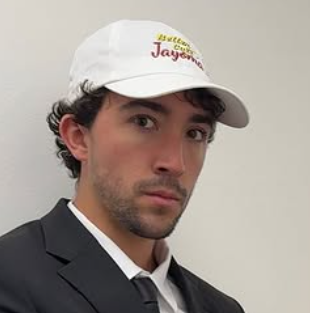
In the age of viral content and attention-driven media, creators who push boundaries often rise the fastest. One such name is Tyler Oliveira, a YouTuber known for his bold investigative-style videos that explore controversial topics, dangerous environments, and marginalized communities
His videos often feel raw, intense, and shocking. They attract millions of views and spark strong reactions online.
But with popularity comes scrutiny. Over the past few years, Tyler Oliveira has faced increasing criticism. Many viewers, journalists, and advocacy groups have questioned whether his content is authentic or misleading.
Others argue that his work crosses ethical lines by exploiting vulnerable people for views.
This has led to a growing online debate:
Is Tyler Oliveira exposing harsh realities, or exploiting them?
Are his videos real journalism, or dramatized misinformation?
This article breaks down his career, content style, controversies, and the larger debate around his work. It aims to give a clear and balanced view so readers can decide for themselves.
Also Read: Valentina Gomez: Biography, UK Ban and Political Controversy
Table of Contents
Who Is Tyler Oliveira?
Tyler Oliveira is an American YouTuber born on January 6, 2000. He started his online career with challenge and entertainment videos but later shifted to documentary-style content focused on real-world issues.1
His videos often include:
- Man-on-the-street interviews
- Visits to high-risk or controversial locations
- Topics like crime, drugs, poverty, and cultural practices
As of 2026, he has built a massive audience with millions of subscribers and billions of views.
Who Is Tyler Oliveira? YouTuber Behind Viral Video About Kiryas Joel And Hasidic Jewish Community In New Yorkhttps://t.co/jo102lKhq2
— TIMES NOW (@TimesNow) January 17, 2026
Tyler Oliveira Stats Table
| Category | Details |
|---|---|
| Full Name | Tyler Oliveira |
| Date of Birth | January 6, 2000 |
| Nationality | American |
| Profession | YouTuber / Content Creator |
| Years Active | 2018 – Present |
| Content Style | Investigative / Street Interviews |
| Subscribers | 9+ million |
| Total Views | 2+ billion |
| Known For | Controversial documentaries and viral investigations |
Rise to Fame: The Formula Behind His Content
Tyler Oliveira’s success is not accidental.2
His videos follow a pattern that is highly effective in the modern attention economy:
1. High-Impact Topics
He focuses on subjects that are already controversial:
- Drug crises
- Crime hotspots
- Cultural practices
- Social conflicts
2. Emotional Shock Value
Many of his videos feature:
- People in distress
- Confrontational interviews
- Dramatic storytelling
A media analysis noted that his content relies on “shock and extravagance” to attract viewers.
3. Fast-Paced Narrative
His editing style keeps viewers engaged with quick cuts, dramatic music, and strong headlines.
4. “Truth-Seeker” Branding
He often presents himself as someone uncovering hidden realities that mainstream media ignores.
This formula has helped him grow rapidly, but it has also raised serious concerns.
The Core Question: Is His Content Fake or Real?
The answer is not simple.
What Is Real
- Tyler Oliveira does travel to real locations
- He interviews real people
- Many situations shown in his videos are genuine
There is no strong evidence that his entire content is staged or fabricated.
What Is Questioned
However, critics argue that:
- Context is often missing
- Clips may be selectively edited
- Narratives can be exaggerated or misleading
For example, Oliveira himself admitted that some B-roll footage in his videos was misrepresented, though he claimed it did not affect the overall message.
So the debate is less about “fake vs real” and more about how reality is presented.
Tyler Oliveira’s Major Criticisms and Controversies
1. Misinformation and Misrepresentation
Several organizations and experts have accused Oliveira of spreading misleading narratives.3
- Civil rights groups said his content included misinformation and misrepresentation of interviewees
- Critics argue that his storytelling sometimes simplifies complex issues
In one controversial video about a religious community, advocacy groups stated that his claims echoed harmful stereotypes.
This raises a key concern:
When storytelling becomes biased, does it still count as truth?
2. Exploitation of Vulnerable People
One of the biggest criticisms is that Oliveira’s content exploits people in difficult situations.
Examples include:
- Filming individuals experiencing drug overdoses
- Recording homeless people in distress
- Interviewing marginalized communities without full context
In one case, a man was filmed during an overdose without consent, which experts called unethical and “disgusting.”
Critics describe this type of content as “poverty porn”, where suffering is used to generate views rather than meaningful change.
3. Cultural Insensitivity
Oliveira has also faced backlash for how he portrays cultures outside the United States.
One major example is his video on an Indian festival:
- He labeled a traditional ritual as a “poop-throwing festival”
- Critics said he ignored its cultural and spiritual meaning
- Many accused him of disrespect and sensationalism
The backlash was so intense that he later canceled the full documentary after receiving threats.
This incident highlights a recurring issue:
Does he document cultures, or distort them for shock value?
4. Accusations of Bias and Agenda
Some critics believe Oliveira’s videos are not neutral investigations.
- Certain videos have been accused of promoting political or social bias
- Others say his framing pushes a specific narrative
In one case, interview subjects claimed they were deceptively edited to fit a storyline.
5. YouTube Drama and Creator Criticism
Other YouTubers have also called him out.
- A video titled “Exposing Tyler Oliveira” accused him of deception and manipulation
- Online discussions frequently label his work as misleading or exploitative
While these claims are not always verified, they reflect a growing distrust among viewers.
The Defense: Why Some People Support Him
Despite criticism, Tyler Oliveira still has a strong fan base.
Supporters argue that:
1. He Shows Reality Others Ignore
Fans believe he highlights issues mainstream media avoids.
2. His Content Raises Awareness
Some viewers say his videos:
- Warn people about dangers
- Expose social problems
- Start important conversations
Oliveira himself has said that if his content prevents even one person from going down a harmful path, it is worth it.
3. He Is Not Bound by Traditional Journalism
Supporters argue that:
- He is a content creator, not a journalist
- His role is storytelling, not strict reporting
Exposing vs Exploiting: The Bigger Debate
The controversy around Tyler Oliveira is part of a larger issue in digital media.
What Is “Exposing”?
- Revealing hidden truths
- Bringing attention to serious issues
- Informing the public
What Is “Exploiting”?
- Using suffering for views
- Ignoring consent or dignity
- Simplifying complex problems
The line between the two is very thin.
In Oliveira’s case, critics say he often crosses that line.
Also Read: Priya Patel Bio: Viral Fame, Controversy and Global Reactions
Why This Debate Is Trending?
There are several reasons why this topic is gaining attention:
1. Rise of “YouTube Journalism”
Creators are now acting like reporters, but without the same ethical standards.
2. Algorithm Pressure
Content that is shocking or emotional gets more views.
Research shows that controversial content often drives engagement, even if it reduces credibility.
3. Misinformation Concerns
Low-quality or misleading content can spread quickly online.
Studies suggest that popularity does not always reflect accuracy.
Is Tyler Oliveira’s Content Harmful?
This depends on perspective.
Potential Harm
- Reinforcing stereotypes
- Spreading misinformation
- Exploiting vulnerable individual
Potential Benefits
- Raising awareness
- Sparking discussion
- Showing real-world issues
The impact varies depending on how viewers interpret his content.
Final Verdict: Fake or Real?
Tyler Oliveira’s content is not completely fake, but it is also not purely objective reality.
A more accurate conclusion would be:
- His videos are based on real events
- But they are often shaped by editing, framing, and storytelling choices
- This can lead to misleading impressions
So the real debate is not “fake vs real”
It is “truth vs narrative”
View this post on Instagram
FAQ’s
1. Who is Tyler Oliveira?
Tyler Oliveira is a YouTuber known for investigative-style videos that explore controversial topics and real-world issues.
2. Is Tyler Oliveira’s content fake?
His content is not entirely fake, but critics say it can be misleading due to editing and selective storytelling.
3. Why is Tyler Oliveira controversial?
He has been criticized for misinformation, exploitation of vulnerable people, and cultural insensitivity.
4. What is the “exposing vs exploiting” debate?
It is a discussion about whether creators are raising awareness or taking advantage of people’s struggles for views.
5. Has Tyler Oliveira responded to criticism?
Yes, he has defended his work and stated that his goal is to help people and expose important issues.
6. What is “poverty porn”?
It refers to content that shows suffering or poverty in a way that is meant to shock or entertain rather than help.
7. Why do people still watch him?
Many viewers find his content engaging and believe it reveals truths that are not covered elsewhere.
Conclusion
Tyler Oliveira represents a new kind of internet creator—part entertainer, part investigator, and part provocateur. His videos blur the line between journalism and storytelling. They are gripping, emotional, and often controversial.
But with that influence comes responsibility.
The ongoing debate about his work reflects a bigger shift in media. As audiences, we must learn to question what we see, understand how narratives are shaped, and think critically about the content we consume.
In the end, Tyler Oliveira’s content is not simply fake or real. It exists in a gray area where truth, storytelling, and controversy collide.
Also Read: Joel Webbon Biography: Controversy, Backlash and Trolling Wave