
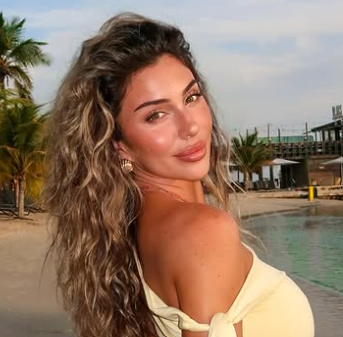
In today’s fast-moving digital world, social media influencers live under constant scrutiny. A single post can build a career or destroy it overnight. That reality became very clear in the case of Lauren Blake Boultier, a popular online personality who recently faced intense backlash across platforms like Instagram, TikTok and X
The controversy surrounding Lauren Blake Boultier is not just about a single edited image. It has sparked a larger debate about authenticity, digital ethics, racial sensitivity and the growing influence of artificial intelligence in content creation.
At the center of the issue is a serious accusation: that she edited her face onto another creator’s body without permission.
What followed was a familiar internet pattern outrage, viral criticism, public apology and ongoing debate about whether accountability was truly taken.
Many people are asking: Was it a mistake or something deeper? Why did this incident trigger such strong reactions? And what does it say about influencer culture today?
This article explores who Lauren Blake Boultier is, what exactly happened, why people are upset, how the apology was received and what this controversy means for the future of digital creators.
Also Read: Joel Webbon Biography: Controversy, Backlash and Trolling Wave
Table of Contents
Who Is Lauren Blake Boultier?
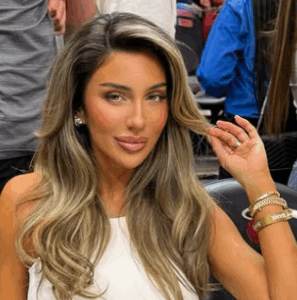
Lauren Blake Boultier is a social media influencer known for lifestyle content, fashion posts and event appearances. 1
Before the controversy, she had built a strong online presence with a large following and brand collaborations.
Her content typically included:
- Fashion and outfit inspiration
- Travel and event coverage
- Lifestyle updates and curated photos
She gained popularity through visually appealing posts and consistent engagement with her audience. Like many influencers, her brand depended heavily on image, trust and perceived authenticity.
However, that trust came into question after the viral incident.
The Incident That Sparked Outrage
The controversy began when Lauren posted an image that appeared to show her attending a major tennis event.
At first glance, it looked like a typical influencer post, stylish outfit, courtside setting and a confident pose.
But internet users quickly noticed something unusual.
The image was not original.
It was later revealed that the photo actually belonged to another creator, Tatiana Elizabeth. The original image had been taken at a different event and Lauren’s face had allegedly been edited onto Tatiana’s body.
This discovery led to immediate backlash.
According to reports, the edited image reused:
- The same background and location
- The same outfit and pose
- Even identical small details like accessories and tattoos
Only the face had been changed.
This raised serious concerns about content theft, identity misuse and respect for other creators.
Received TERRIBLE service from @madedotcom over last month regarding sofa order.Have incorrect sofa sat in my house,nobody knows where mine is,being promised return calls from managers and not followed through!Tempted 2 cancel order and switch to @swooneditions, better service?
— Lauren Blake (@_lauren_blake) January 19, 2018
Stats Table
| Category | Details |
|---|---|
| Influencer Name | Lauren Blake Boultier |
| Platform Presence | Instagram, TikTok |
| Followers (approx.) | 1.6 million+ |
| Nature of Controversy | Edited face onto another creator’s body |
| Original Creator | Tatiana Elizabeth |
| Event in Image | US Open (original photo) |
| Claimed Source | Third-party AI content agency |
| Public Reaction | Viral backlash and criticism |
| Apology Issued | Yes |
| Apology Reception | Mixed to negative |
Why Are People So Angry?
At first glance, some might think this is just another case of photo editing gone wrong. But the backlash goes deeper than that. There are several key reasons why people reacted so strongly.2
1. Lack of Consent
One of the biggest issues is that the original creator did not give permission for her image to be altered and reused. Using someone else’s body without consent crosses ethical boundaries and raises legal questions.
2. Erasing Another Creator’s Work
For many creators, especially models and influencers, each photo represents effort, time and professional achievement. In this case, the original image was described as a “career-defining moment” for Tatiana Elizabeth.
Replacing someone’s face on that image can feel like erasing their identity and work.
3. Racial Sensitivity Concerns
The controversy became even more serious because it involved a white influencer editing her face onto the body of a Black creator. This added a racial dimension to the issue.
Critics pointed out that Black creators often face:
- Lack of recognition
- Content appropriation
- Unequal opportunities
This incident was seen by many as part of a larger pattern.
4. Misleading Followers
Influencers are expected to be transparent with their audience. Posting a manipulated image without disclosure can mislead followers and damage trust.
5. Growing Concerns About AI Content
Lauren claimed the post was created by a third-party AI content agency.
This raised new questions:
- Who is responsible for AI-generated content?
- Can influencers blame technology or teams?
- Should there be stricter oversight?
The Apology: What Did She Say?
After the backlash, Lauren Blake Boultier issued a public apology.
She stated that:
- The image was created by a third-party AI agency
- The post did not align with her values
- She takes full responsibility for content on her platform
- She removed the post and apologized privately
On the surface, this seemed like a standard influencer apology. However, it did not fully calm the situation.
Why the Apology Didn’t Work
The apology became another point of controversy. Many people felt it was not enough.
Here’s why:
1. Blaming AI and Third Parties
Although Lauren accepted responsibility, she also mentioned that the image came from an AI agency. Critics argued that this sounded like shifting blame.
2. Lack of Direct Accountability
Some felt the apology lacked clarity about:
- How the mistake happened
- What steps would prevent it in the future
3. Response from the Original Creator
Tatiana Elizabeth publicly rejected the apology, saying it did not feel sincere.
This added more weight to the backlash.
4. The “Apology Cycle” Problem
This incident fits into a common pattern seen online:
- Influencer makes a controversial post
- Internet reacts with outrage
- Influencer apologizes
- Audience debates sincerity
Many users are growing tired of this cycle.
Internet Reaction: Viral Outrage Explained
The controversy quickly spread across platforms. Social media users shared side-by-side comparisons of the original and edited images.
Common reactions included:
- Calls for accountability
- Criticism of influencer culture
- Discussions about AI misuse
- Support for the original creator
Some users also pointed out that this is not an isolated incident. Similar cases have happened before but this one gained traction due to its timing and visibility.
Also Read: Emily Hart Bio: Is She Real or AI? Influencer Mystery Explained
The Bigger Issue: AI and Content Ethics
This controversy highlights a growing problem in the digital world.3
AI tools are becoming more powerful.
They can:
- Edit images realistically
- Replace faces
- Generate entirely new personas
While this technology has benefits, it also creates risks.
Ethical Concerns Include:
- Identity misuse
- Lack of consent
- Misinformation
- Content ownership disputes
This case shows how quickly things can go wrong when AI is used without proper oversight.
Influencer Culture Under Pressure
Influencers today face more pressure than ever.
Audiences expect:
- Authentic content
- Transparency
- Ethical behavior
At the same time, competition is intense. Some creators rely on heavy editing, AI tools and outsourced content production.
This creates a dangerous situation where:
- Mistakes become more likely
- Accountability becomes unclear
Cancel Culture: What Does It Mean Here?
“Cancel culture” refers to the public calling out and boycotting individuals for controversial actions.
In Lauren’s case:
- She has not been permanently removed from platforms
- But her reputation has taken a hit
- Brand relationships may be affected
Cancel culture is not always permanent. Some influencers recover, while others fade away.
Lessons from the Controversy
This situation offers several important lessons:
For Influencers:
- Always verify content before posting
- Be transparent about editing and AI use
- Respect other creators’ work
For Platforms:
- Improve detection of manipulated content
- Provide clearer guidelines
For Audiences:
- Stay critical of what you see online
- Understand how easily images can be altered
FAQ’s
1. Who is Lauren Blake Boultier?
Lauren Blake Boultier is a social media influencer known for lifestyle and fashion content.
2. Why is she getting cancelled?
She is facing backlash for allegedly editing her face onto another creator’s body without permission.
3. Who was affected by the incident?
The original image belonged to model Tatiana Elizabeth.
4. Did Lauren apologize?
Yes, she issued a public apology and removed the post.
5. Why was the apology criticized?
Many people felt it was not sincere and shifted blame to AI and third-party agencies.
6. Was AI involved in the controversy?
Lauren claimed the image was created by an AI content agency.
7. Is this illegal?
It may raise legal concerns related to image rights and consent, depending on jurisdiction.
8. What does this say about influencer culture?
It highlights issues of authenticity, accountability and the pressure to create perfect content.
9. Will this end her career?
It is too early to say. Some influencers recover from controversies, others do not.
10. What is the main takeaway?
Respect for other creators and responsible use of technology is essential.
Conclusion
The controversy surrounding Lauren Blake Boultier is more than just a viral moment. It reflects deeper issues in the digital age.
At its core, this situation is about trust. Influencers rely on their audience’s trust and once that trust is broken, it is difficult to rebuild. The use of AI and edited content adds another layer of complexity, making it harder to define responsibility.
This incident also highlights the importance of respecting other creators. Behind every image is a person, a story and often years of hard work. Misusing that work can have real consequences. The internet outrage and apology cycle seen here is becoming more common. But audiences are evolving.
People are asking tougher questions and demanding genuine accountability. Whether Lauren Blake Boultier recovers from this controversy remains to be seen.
What is certain is that this case will be remembered as part of a larger shift in how we view digital content, ethics and authenticity.
Also Read: Ruby Franke Biography: Arrest Updates and Current Life Status