

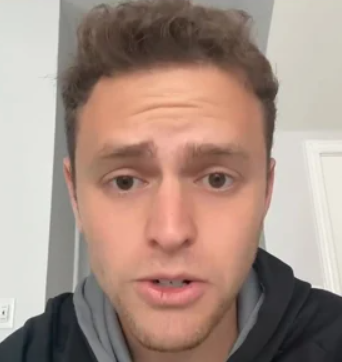
In the fast-moving world of digital news, where information spreads in seconds, accuracy often struggles to keep pace with speed. Social media platforms like TikTok, Instagram and X have created a new class of “news influencers” who deliver updates directly to millions of followers
Among the most prominent of these figures is Aaron Parnas, a Gen Z content creator who has built a massive audience by explaining politics and global events in short, digestible videos.
However, with influence comes scrutiny. Over the past few years, Parnas has found himself at the center of multiple controversies involving misinformation.
Critics argue that some of his posts contributed to the spread of unverified or false claims, while supporters insist he is trying to simplify complex news for younger audiences.
The debate surrounding Parnas is not just about one individual. It reflects a larger shift in how people consume news and raises important questions about credibility, accountability and the blurred line between journalism and content creation.
This article explores who Aaron Parnas is, what misinformation he has been accused of sharing and why his credibility is now under debate.

Also Read: Joel Webbon Biography: Controversy, Backlash and Trolling Wave
Table of Contents
Who Is Aaron Parnas?
Aaron Parnas is a digital-first news creator who gained popularity during global events such as the Russia-Ukraine war.1
He produces short videos explaining breaking news, legal developments and political updates.
Parnas quickly rose to prominence by delivering fast, simplified updates.
His style appeals especially to younger audiences who prefer quick explanations over long-form reporting.
Are you kidding me right now. https://t.co/EoHWxCHNWn
— Aaron Parnas (@AaronParnas) September 15, 2025
Stats Table
| Attribute | Details |
|---|---|
| Full Name | Aaron Gideon Parnas |
| Birth Year | 1999 |
| Profession | Social media journalist, commentator |
| Platforms | TikTok, Instagram, Substack |
| TikTok Followers | 5M+ |
| Newsletter | “The Parnas Perspective” |
| Background | Former lawyer |
| Recognition | Forbes 30 Under 30 (Media) |
Rise of a New-Age News Influencer
Unlike traditional journalists, Parnas operates independently.2
He does not work for a newsroom. Instead, he builds his own audience and monetizes through subscriptions and sponsorships. This independence is both his strength and weakness.
On one hand, he can deliver news quickly without editorial delays. On the other, he lacks the institutional fact-checking systems that traditional media organizations rely on.
A 2025 analysis highlighted how Parnas built a massive following across platforms and became one of the most influential independent news creators.
But as his reach expanded, so did the scrutiny.

What Did Aaron Parnas Post Wrong?
1. The “Hamas Baby Beheading” Claim
One of the most widely cited controversies involves Parnas sharing a claim about Hamas beheading babies during the Israel-Gaza conflict.
- The claim circulated widely online
- It was later disputed or lacked verified evidence
- Critics say Parnas amplified the claim without proper verification
According to documented records, he promoted the claim and did not issue a clear retraction afterward.
Why This Matters
This incident became a turning point because:
- It involved a highly sensitive conflict
- It showed how quickly unverified claims can spread
- It raised concerns about fact-checking standards
2. Rapid Reporting Without Full Context
Parnas is known for posting updates quickly, sometimes multiple times a day.
While this keeps audiences informed, it also increases the risk of:
- Sharing incomplete information
- Misinterpreting early reports
- Amplifying rumors
Critics argue that speed often comes at the cost of accuracy.
3. Perceived Lack of Transparent Sourcing
Another recurring criticism is that Parnas does not always clearly cite sources in his videos.
While he claims to credit journalists and verify information, some viewers feel:
- Sources are not always visible
- Information appears simplified or oversimplified
- Context is sometimes missing
This creates confusion about whether the content is original reporting or aggregated news.
4. Allegations Around Political Funding Influence
In 2025, reports revealed that Parnas received money from a program linked to a political nonprofit.
- He reportedly received around $24,000
- He denied any editorial influence
- Critics questioned independence
This raised concerns about whether financial backing could shape content, even indirectly.
5. Participation in a Broader Misinformation Ecosystem
Parnas is not alone. He is part of a larger ecosystem where:
- Influencers share breaking news
- Algorithms reward engagement over accuracy
- Misinformation spreads rapidly
For example, during global conflicts, AI-generated images and false claims often go viral within hours.
Even well-meaning creators can unintentionally amplify false narratives.

Why Is He Facing Credibility Questions Now?
1. Growing Influence Means Higher Expectations
With millions of followers, Parnas is no longer just a content creator. He is seen by many as a news source.
That shift changes expectations:
- Audiences expect accuracy, not just speed
- Errors are judged more harshly
- Mistakes have wider impact
2. Blurred Line Between Journalism and Influencing
Parnas represents a new hybrid role:
- Not a traditional journalist
- Not just an influencer
This creates confusion:
- Should he follow journalistic standards?
- Or is he simply sharing information like any user?
Critics argue that once someone presents themselves as a news source, they must meet higher standards.
3. Past Mistakes Continue to Resurface
In the digital world, nothing disappears.
Past controversies:
- Are shared repeatedly
- Are used to question credibility
- Shape public perception
Even a single major mistake can define a creator’s reputation.
4. Audience Polarization
Parnas operates in political content, which is highly polarizing.
This means:
- Supporters defend him strongly
- Critics scrutinize every post
- Neutral observers question reliability
In such an environment, credibility becomes fragile.
Also Read: Sara Gonzales Biography: Career and H-1B Controversy Explained
The Bigger Problem: Influencers vs Traditional Journalism
The debate around Parnas reflects a larger issue.
Traditional Journalism
- Multiple layers of editing
- Fact-checking systems
- Accountability structures
Influencer Journalism
- Fast and direct
- Minimal oversight
- Algorithm-driven visibility
Each has strengths and weaknesses.
Parnas sits at the intersection of these two worlds.
The Role of Social Media Algorithms
Platforms reward:
- Speed
- Engagement
- Emotional content
They do not always reward accuracy.
This creates pressure on creators to:
- Post quickly
- Simplify complex stories
- Use strong headlines
The result is a system where misinformation can spread easily, even unintentionally.
Public Reactions to Aaron Parnas
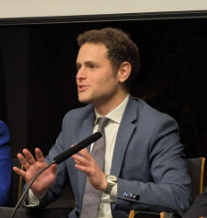
Public opinion is divided.3
Supporters Say:
- He makes news accessible
- He engages younger audiences
- He tries to debunk misinformation
Critics Say:
- He spreads unverified claims
- He lacks transparency
- He prioritizes speed over accuracy
Both perspectives highlight the complexity of his role.
Lessons from the Controversy
The situation offers several important lessons:
1. Speed vs Accuracy
Being first is not always better than being correct.
2. Influence Comes with Responsibility
Large audiences require higher standards.
3. Transparency Builds Trust
Clear sourcing and corrections are essential.
4. Misinformation Is a Systemic Issue
It is not limited to one person.
View this post on Instagram
FAQ’s
Who is Aaron Parnas?
Aaron Parnas is a social media news creator known for posting short videos about politics and global events.
What misinformation did Aaron Parnas share?
One major controversy involved him amplifying a claim about Hamas beheading babies, which was widely disputed and lacked verified evidence.
Did he correct the misinformation?
Critics say he did not clearly issue a public retraction, which contributed to credibility concerns.
Is Aaron Parnas a journalist?
He is often described as a “social media journalist,” but he operates independently without a traditional newsroom.
Why is he controversial?
He faces criticism for rapid reporting, lack of clear sourcing and involvement in misinformation waves.
Does he intentionally spread misinformation?
There is no clear evidence of intent. Most criticism focuses on negligence or lack of verification rather than deliberate misinformation.
Why do people still follow him?
Many viewers appreciate his simple explanations and fast updates.
What does this mean for the future of news?
It shows that news consumption is shifting toward digital creators but credibility remains a major challenge.
Conclusion
The story of Aaron Parnas is not just about one individual making mistakes.
It is about a changing media landscape where the boundaries between journalism, commentary and content creation are increasingly blurred.
Parnas represents a new generation of news influencers who are reshaping how information is delivered. His rise shows the power of accessibility and relatability. But his controversies highlight the risks of speed, lack of oversight and the viral nature of misinformation.
The key question is not whether influencers like Parnas should exist. They already do. The real question is how they can balance speed with accuracy and influence with responsibility.
As audiences, the responsibility also lies with us. Verifying information, checking multiple sources and thinking critically are more important than ever.
In the end, credibility is not built overnight. It is earned through consistency, transparency and accountability. And in the digital age, it can be lost just as quickly.
Also Read: Klaudia Zakrzewska Bio: Age, Career and London Crash Details