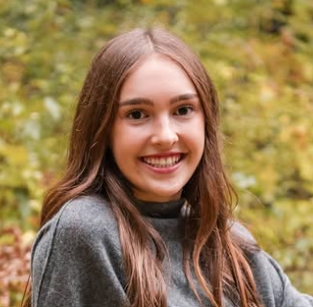
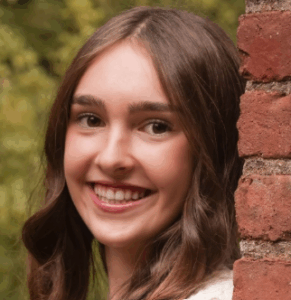
Social media has a way of turning niche creators into overnight talking points. In recent months, Ava Noe has become one of the most discussed young wellness influencers online
Her rise is not built on dance trends, beauty tutorials or celebrity gossip.
Instead, she is trending for something more controversial: promoting “clean eating,” toxin-free living and alternative health practices that appeal strongly to Gen Z.
Ava has built a growing audience by posting about ingredient labels, ultra-processed foods, fluoride-free products, natural living and skepticism toward mainstream health advice.
Supporters see her as a refreshing voice encouraging healthier habits. Critics argue that some of her messaging can oversimplify nutrition, promote fear around food and spread questionable health claims.
This debate has pushed Ava Noe into wider internet conversations, especially among teenagers and young adults already interested in wellness culture.
In this article, we break down who Ava Noe is, why she is suddenly trending, what her content focuses on and why experts are concerned about the larger movement she represents.
Also Read: Joel Webbon Biography: Controversy, Backlash and Trolling Wave
Table of Contents
Who Is Ava Noe?
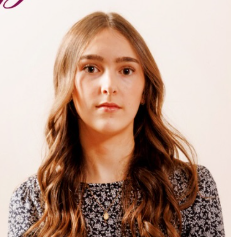
Ava Noe is a teenage wellness content creator best known for her social media account focused on holistic health, natural living and clean lifestyle choices.1
Her platform shares content around:
- Clean eating habits
- Avoiding ultra-processed foods
- Alternative wellness routines
- Holistic health practices
- Natural product recommendations
- Lifestyle detox habits
Her Instagram presence has grown steadily, with tens of thousands of followers engaging with her content around what she often describes as taking ownership of personal health.
Unlike many older wellness influencers, Ava’s content resonates because she speaks directly to Gen Z in their own language.
She uses:
- Relatable short-form videos
- Trend-based social media formats
- Casual storytelling
- Personal experiences
- Lifestyle demonstrations
This makes her content feel accessible rather than clinical.
That relatability is a huge reason for her sudden rise.
Quick Stats
| Metric | Details |
|---|---|
| Main Platform | |
| Approximate Followers | 26,000+ |
| Primary Niche | Holistic wellness and clean eating |
| Core Audience | Gen Z teens and young adults |
| Popular Topics | Clean foods, fluoride-free products, natural wellness |
| Trending Because Of | Clean eating advocacy and alternative health debates |
| Expert Response | Mixed to critical |
| Broader Trend Connection | “Crunchy teen” wellness movement |
Why Is Ava Noe Suddenly Trending?
1. She Represents the Rise of the “Crunchy Teen” Movement
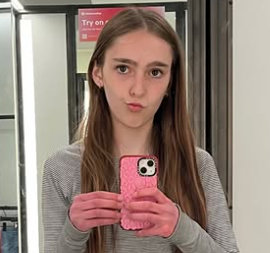
The biggest reason Ava Noe is trending is that she has become one of the faces of what media outlets are calling the “crunchy teen” movement.2
This movement includes young influencers promoting:
- Natural foods
- Organic products
- Low-toxin lifestyles
- Skepticism toward processed ingredients
- Alternative health remedies
The term “crunchy” once referred to older generations focused on natural parenting or organic living.
Now Gen Z has adapted it into a social media-friendly identity.
Ava Noe’s content fits perfectly into this movement. Her posts often frame health as something young people can control through everyday choices.
2. Gen Z Distrusts Traditional Institutions
A major reason Ava’s message resonates is that many Gen Z users have grown increasingly skeptical of traditional institutions.
This includes distrust toward:
- Large food corporations
- Pharmaceutical companies
- Government health agencies
- Mainstream wellness marketing
After growing up through the pandemic era, many younger users have developed stronger independent research habits.
Instead of relying solely on doctors or institutions, they often seek information from creators they perceive as authentic.
Ava Noe benefits from this shift. Her content often feels personal and direct rather than corporate or polished.
That authenticity matters deeply to Gen Z.
3. Clean Eating Content Performs Extremely Well on Social Media
Social platforms reward highly visual lifestyle content.
Clean eating naturally works well because it is:
- Aesthetic
- Easy to present visually
- Aspirational
- Shareable
- Emotionally persuasive
Videos showing grocery swaps, ingredient checks, pantry organization and “healthy alternatives” generate strong engagement.
Ava Noe’s content fits this algorithm-friendly format. Many of her posts combine wellness messaging with aspirational lifestyle visuals, making them highly appealing to younger viewers.
4. Alternative Health Feels Empowering
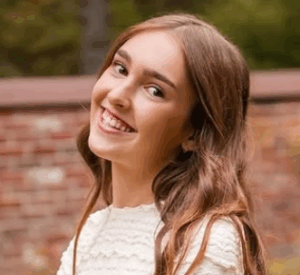
For many followers, Ava’s message is not about rejecting science. It is about feeling more in control.
Gen Z faces rising concerns around:
- Mental health
- Burnout
- Environmental toxins
- Food quality
- Chronic health worries
Alternative health content offers simple actions people can take immediately.
Switching products, changing food habits or adopting wellness rituals can create a sense of agency. That psychological appeal is powerful.
5. Expert Criticism Has Increased Her Visibility
Ironically, criticism has amplified Ava Noe’s reach.
As experts question some claims within the crunchy teen movement, more people become curious.
This creates:
- Media coverage
- Online debates
- Increased social sharing
- Higher search traffic
Controversy often fuels virality. The more public discussion around her ideas, the more visibility her platform gains.
What Exactly Does Ava Noe Promote?
Ava’s content centers around “clean living.”
This often includes promoting:
Clean Eating
Choosing minimally processed foods and avoiding artificial additives.
Ingredient Awareness
Encouraging followers to read labels and avoid certain additives.
Alternative Household Products
Items like fluoride-free toothpaste or low-toxin personal care products.
Natural Wellness Practices
Habits framed as helping overall health naturally.
Lifestyle Detoxing
Reducing exposure to products considered harmful or overly processed. Some of these ideas align with mainstream health advice.
For example:
- Eating more whole foods
- Reducing excess sugar
- Reading ingredient labels
These are widely accepted.
The controversy comes when broader claims extend beyond established evidence.
Why Experts Are Concerned
This is where the debate becomes more serious.
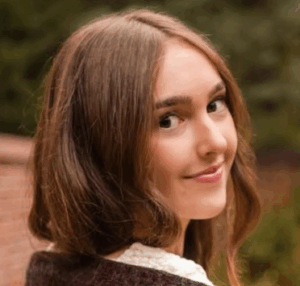
Health experts have raised concerns that some wellness influencer messaging can blur the line between helpful lifestyle awareness and unsupported claims.
Key concerns include:
Oversimplification of Nutrition Science
Nutrition is highly individual and complex. What works for one person may not work for another.
Social media often reduces this complexity into rigid rules such as:
- “Never eat this”
- “This ingredient is toxic”
- “Avoid all processed foods”
Experts argue these absolute claims can be misleading.
Fear-Based Messaging
Some alternative health content relies heavily on fear. This can involve framing everyday products as dangerous without sufficient evidence.
Fear-based messaging tends to perform well online because it creates urgency. But experts warn it can distort healthy decision-making.
Risk of Disordered Eating
One of the strongest concerns is that highly restrictive clean eating messaging may contribute to unhealthy food relationships.
When “clean” becomes moralized, food choices can become emotionally loaded.
This can increase risk for:
- Food guilt
- Restriction cycles
- Orthorexic tendencies
- Anxiety around eating
This concern is especially significant among teenagers.
Lack of Professional Expertise
Ava Noe is a social media creator, not a licensed dietitian or physician.
Experts emphasize that influence should not be confused with clinical expertise.
Personal anecdotes can be compelling but they are not scientific evidence.
Also Read: Klaudia Zakrzewska Bio: Age, Career and London Crash Details
Why Gen Z Finds Her Message So Appealing
Understanding Ava Noe’s popularity requires understanding Gen Z.
This generation values:
Authenticity
They prefer creators who feel real. Ava’s content feels personal rather than institutional.
Independence
Gen Z often values self-directed learning. Alternative wellness content encourages exploration and questioning.
Community
Online wellness spaces create belonging. Followers feel connected through shared lifestyle values.
Visual Identity
Wellness today is not just health. It is aesthetics, routines, products and identity.
Ava’s content taps directly into this.
The Bigger Cultural Trend Behind Ava Noe
Ava Noe is part of a much larger shift.3
The wellness industry has evolved from niche self-care into mainstream cultural identity.
Several trends fuel this:
Post-Pandemic Health Awareness
Young people are more health-conscious than previous generations.
Social Media Education
Platforms like Instagram and TikTok have become health information sources.
Anti-Processed Food Conversations
Growing awareness of ultra-processed food concerns has influenced public discussion.
Decentralized Authority
Younger audiences increasingly trust peer networks over formal institutions.
Ava Noe sits at the center of all these forces.
Is Ava Noe’s Advice Entirely Wrong?
This is where nuance matters.
Not everything promoted in clean eating spaces is inaccurate.
Many widely accepted health recommendations overlap with this content:
- Eating more whole foods
- Cooking at home
- Paying attention to ingredients
- Prioritizing sleep
- Reducing excess sugar intake
These are evidence-based. The issue arises when reasonable advice expands into unsupported health claims.
The key distinction is evidence. Healthy skepticism is useful. Rejecting established science without evidence is not.
What Experts Suggest Instead
Most nutrition experts recommend balance.
Rather than extreme rules, they suggest:
Focus on Patterns
Long-term eating habits matter more than isolated ingredients.
Avoid Food Fear
No single food determines health.
Use Credible Sources
Registered dietitians and peer-reviewed research remain essential.
Practice Critical Thinking
Ask:
- What is the evidence?
- Who is making the claim?
- Are there scientific sources?
This balanced approach avoids both blind trust and unnecessary skepticism.
What Ava Noe’s Popularity Means for the Future
Ava Noe’s rise signals a major shift in digital health culture.
The future of wellness content will likely involve:
More Teen Health Influencers
Young creators speaking to peers will continue growing.
Increased Debate Around Misinformation
Public health experts will likely become more active online.
Stronger Demand for Accessible Science Communication
Experts may need to create clearer and more engaging health education content.
Continued Blending of Wellness and Identity
Health choices will remain tied to personal branding and online culture.
Ava Noe is not just trending.
She represents where Gen Z wellness culture is headed.
View this post on Instagram
FAQ’s
Who is Ava Noe?
Ava Noe is a Gen Z wellness influencer known for promoting clean eating and holistic lifestyle practices through social media.
Why is Ava Noe trending right now?
She is trending because of growing media attention around the “crunchy teen” wellness movement and debates surrounding alternative health messaging.
What does Ava Noe promote?
She promotes clean eating, natural wellness practices, ingredient awareness and alternative health routines.
Why are experts concerned?
Experts worry that some wellness messaging can oversimplify science, promote fear-based thinking and contribute to unhealthy food relationships.
Is clean eating unhealthy?
Not inherently. Eating whole foods is beneficial. Problems arise when clean eating becomes rigid or extreme.
Does Ava Noe have medical qualifications?
No public reporting indicates that she is a licensed medical or nutrition professional.
Why does Gen Z connect with influencers like Ava Noe?
Because her content feels relatable, authentic, empowering and aligned with broader skepticism toward traditional institutions.
Conclusion
Ava Noe’s sudden rise among Gen Z reflects more than social media virality. It reflects a generational shift in how young people think about health, trust information and define wellness.
Her content resonates because it offers something many young people are searching for: control, clarity and a sense of empowerment in an often confusing health landscape.
At the same time, her popularity raises important questions about where wellness education should come from and how health information should be shared online.
The debate around Ava Noe is not simply about one influencer. It is about the future of digital health culture itself.
As Gen Z continues reshaping wellness conversations, the challenge will be finding a balance between curiosity, personal agency and evidence-based science.
That balance will define whether this movement becomes a force for healthier awareness or deeper misinformation.
Also Read: Priya Patel Bio: Viral Fame, Controversy and Global Reactions