
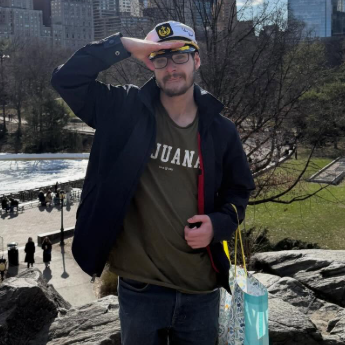
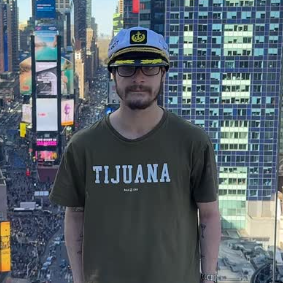
Social media creates viral stars almost overnight. Some become famous because of talent. Others gain attention because people cannot stop watching their chaotic lives unfold online. One creator who fits the second category is Joshua Block, better known online as “Worldoftshirts”
Over the last few years, his livestreams from New York City have become some of the internet’s most discussed content.
Millions of viewers watch him walk through Manhattan, drink heavily, argue with strangers, sing loudly in public and document nearly every part of his life in real time.
His unpredictable behavior has turned him into a viral figure across TikTok, Reddit, YouTube and livestreaming platforms.
At the same time, many viewers are deeply concerned about his well-being. Online discussions now focus less on comedy and more on questions surrounding mental health, addiction, exploitation and internet culture.
Some people believe audiences are simply watching a struggling young man spiral publicly for entertainment. Others argue that viewers are helping keep him financially supported and relevant online.
That debate is what keeps the “Worldoftshirts” phenomenon constantly trending.
Explore in this article, Why the internet cannot decide whether Joshua Block is an entertainer, a victim of exploitation or both.
Also Read: Klaudia Zakrzewska Bio: Age, Career and London Crash Details
Table of Contents
Who Is Joshua Block?
Joshua Block is a social media creator from New York who became famous on TikTok under the username “Worldoftshirts.”1
He first gained attention around 2020 through energetic videos filmed around New York City.
His early content included dancing, coffee reviews, sightseeing clip and cheerful public videos. Many viewers originally saw him as harmless, funny and highly energetic.
Over time, his online persona changed dramatically.
As his audience grew, his videos increasingly focused on nightlife, alcohol, livestreaming and public meltdowns.
His catchphrases, screaming moments and chaotic behavior became internet memes. Viewers began reposting clips of his breakdowns across multiple platforms, helping his fame grow even faster.
Joshua is widely reported to be autistic and this has become an important part of discussions around his content.
Critics argue that many people online are exploiting his condition for entertainment and viral clips. Supporters say he is an adult making his own choices and building a career online.
Today, “Worldoftshirts” is one of the most recognizable chaotic internet personalities connected to New York City livestream culture.
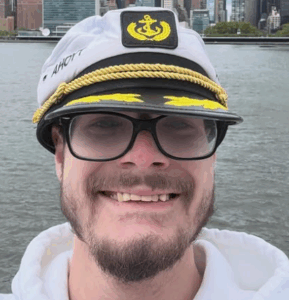
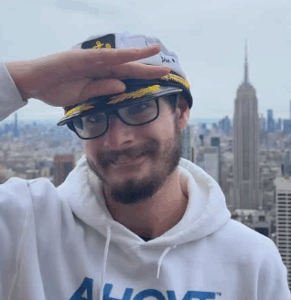
Aura⚓️ pic.twitter.com/14UZcEjh7c
— World of T-Shirts (@worldoftshirts_) May 29, 2025
Quick Stats
| Category | Details |
|---|---|
| Real Name | Joshua Block |
| Online Name | Worldoftshirts |
| Main Platforms | TikTok, livestream apps, Instagram |
| Known For | NYC livestreams and viral public behavior |
| Content Style | Livestreams, public interactions, nightlife videos |
| Rise to Fame | Viral TikTok content around NYC |
| Major Debate | Exploitation vs entertainment |
| Frequently Discussed Topics | Alcohol use, mental health, livestream culture |
| Audience Reaction | Mixed concern, fascination, criticism |
| Viral Catchphrases | “Put the fries in the bag” and others |
| Location | New York City |
| Early Content | Coffee reviews, dancing, NYC videos |
How Did Worldoftshirts Become Famous?
Joshua Block’s rise was not traditional influencer fame.2
He did not become known through polished videos or carefully planned branding. Instead, his popularity came from constant posting and raw unpredictability.
His content felt spontaneous. People never knew what would happen next.
At first, viewers enjoyed his enthusiastic personality and energetic New York videos. He posted frequently, sometimes many times in a single day. That constant stream of content helped him dominate TikTok algorithms.
Then things changed. As alcohol became more visible in his videos, audiences noticed increasingly erratic behavior.
Livestreams showed him drinking heavily in public spaces, yelling at strangers, wandering through the city late at night and reacting aggressively to trolls.
These moments spread rapidly across social media because they generated huge engagement.
Internet culture rewards unpredictability. Joshua became unpredictable. That combination created viral success.
Why Are People Concerned About Him?
The concern surrounding Worldoftshirts mostly centers around three issues:
- Alcohol abuse
- Mental health struggles
- Public exploitation for views and money
Many clips show Joshua appearing intoxicated while livestreaming for hours.
Videos frequently circulate showing him vomiting, stumbling, shouting or appearing disoriented in public.
Some viewers believe audiences encourage this behavior because chaotic moments generate the highest engagement.
Critics argue that viewers are effectively rewarding dangerous behavior with attention, donations and virality.
The debate became even stronger as livestreaming platforms introduced donation systems where viewers can financially interact with creators during streams.
Internet audiences often send messages designed to provoke reactions. In Joshua’s case, many viewers intentionally try to trigger emotional responses because those clips later become viral content.
This has created serious ethical questions around online entertainment.
Is the audience helping him survive financially? Or are they exploiting someone clearly struggling?
There is no simple answer.
The “Exploitation vs Entertainment” Debate
The biggest conversation around Worldoftshirts is whether people are watching out of concern or simply consuming chaos as entertainment.
Many internet users compare his streams to a modern digital “freakshow.” Researchers and media writers have discussed how online audiences can turn vulnerable creators into ongoing spectacles.
A 2025 academic essay discussing Joshua Block argued that online culture increasingly treats vulnerable creators as entertainment products instead of human beings.
The paper described livestream communities as forms of “digital freakshows” where audiences constantly observe breakdowns and instability in real time.
That language reflects how serious the discussion has become. Some viewers insist they genuinely care about him.
They say they continue watching because they hope he eventually gets help. Others openly admit they watch because the streams are unpredictable and shocking.
This split audience is what keeps the controversy alive. One side sees a struggling young man in need of intervention.
The other sees chaotic internet entertainment. Many people likely feel both at once.
Why Livestream Culture Makes the Situation Worse
Livestreaming changes the relationship between creators and audiences.
Traditional celebrities have distance from viewers. Livestreamers do not.
Audiences can interact instantly through comments, donations and real-time reactions. This creates pressure to stay entertaining constantly.
For creators already struggling emotionally, that pressure can become dangerous.
Joshua’s livestreams often continue during visibly stressful or intoxicated moments. Because viewers reward dramatic content with engagement, the most chaotic behavior tends to spread fastest online.
This creates what many critics call an “attention loop.”
The creator behaves unpredictably. The audience reacts. Clips go viral. More viewers arrive. The creator becomes even more dependent on the attention.
Over time, the line between real life and performance starts disappearing.
That is one reason many people find the Worldoftshirts situation disturbing rather than simply funny.
The Role of Internet Trolls
Trolling has become a huge part of Joshua Block’s online life.
People frequently approach him in public to repeat internet jokes or provoke reactions. One of the most common phrases shouted at him is “Put the fries in the bag,” which became a viral meme associated with his public meltdowns.
These encounters often escalate quickly because viewers know emotional reactions generate viral clips.
Some trolls record themselves harassing him specifically to upload the footage online later. Others appear during livestreams hoping to become part of the content.
This behavior has raised broader questions about parasocial relationships and internet ethics.
At what point does fandom become harassment?
Many critics believe Joshua’s audience stopped treating him like a real person long ago.
Also Read: Priya Patel Bio: Viral Fame, Controversy and Global Reactions
How New York City Became Part of the Brand
New York City is central to the Worldoftshirts identity.
Almost all of Joshua’s content is tied to the city’s nightlife, streets, bars, trains and tourist areas. His videos feel chaotic partly because New York itself is loud, crowded and unpredictable.
His followers often describe him as one of TikTok’s most recognizable NYC personalities. The city also increases the spectacle factor.
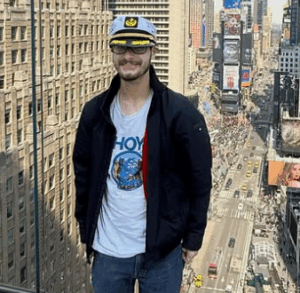
Livestreaming while wandering through Times Square, subway stations and crowded streets naturally attracts attention.
Random public interactions become content instantly. Strangers recognize him regularly, which creates even more unpredictable situations.
In many ways, New York acts like a supporting character in the Worldoftshirts story. Without NYC, the content would likely feel very different.
The Impact of Viral Clips
Short clips are a major reason Joshua remains constantly discussed online.
Most viewers do not watch entire livestreams. Instead, they see short viral moments reposted on TikTok, Reddit, YouTube Shorts and Twitter/X.
These clips often focus on the most extreme behavior because dramatic content spreads fastest.
As a result, audiences mostly encounter Joshua during moments of chaos. This creates a distorted image where every viral moment looks worse than the last.
At the same time, algorithms reward exactly this type of content.
Shocking clips increase watch time and engagement. That means platforms indirectly encourage people to keep reposting unstable moments.
Critics argue that social media systems themselves help fuel the cycle.
The Question of Responsibility
One reason the Worldoftshirts story continues generating debate is because responsibility feels unclear.
Who is responsible for protecting someone whose struggles are public entertainment?
Some blame the audience. Some blame livestream platforms. Others blame people close to Joshua. Some argue personal responsibility matters most because he is an adult creator choosing to livestream.
The reality is probably more complicated than any single explanation. Internet fame often develops faster than people can emotionally process.
Many creators become trapped by the audience expectations that first made them famous.
If viewers only engage during chaotic moments, creators may feel pressured to keep escalating behavior.
That dynamic is not unique to Worldoftshirts. It reflects a larger problem across internet culture.
How Online Communities Discuss Him
Reddit communities dedicated to Worldoftshirts have become extremely active.3
Some users analyze his behavior daily, track livestream incidents and debate whether viewers should continue supporting him. The discussions often reveal how divided audiences are.
Some users express genuine sympathy and worry. Others treat the situation like reality television.
A smaller group openly encourages chaos because they enjoy the entertainment value.
This mix of concern and fascination is exactly why the situation feels ethically uncomfortable to many observers.
People know something seems wrong. Yet they keep watching anyway.
Media Coverage and Public Reaction
Mainstream media outlets have increasingly covered Joshua Block’s rise because his story represents larger internet trends.
Reports have discussed his drinking, livestream fame, and the voyeuristic nature of audiences following his daily life online.
The conversation is no longer just about one creator. It is about what internet culture has become.
Modern audiences often consume real emotional distress as entertainment.
Livestream platforms blur the line between reality and performance. The more personal and chaotic the content becomes, the more engagement it receives.
Worldoftshirts became one of the clearest examples of this trend.
Is Worldoftshirts Actually “Okay”?
This is the question audiences ask constantly. The honest answer is that nobody online truly knows.
Viewers only see selected moments from livestreams and clips. While many people are clearly concerned about his behavior, outside audiences cannot fully understand someone’s private health situation through social media alone.
What is obvious is that many viewers believe his lifestyle appears unhealthy and unstable.
Repeated public intoxication, emotional outbursts, and dangerous situations have led people to worry about his long-term well-being.
At the same time, Joshua continues creating content and maintaining an audience large enough to sustain internet fame.
That contradiction is what keeps people watching.
Why People Cannot Look Away
Worldoftshirts reflects several powerful internet trends at once:
- Livestream culture
- Parasocial relationships
- Viral chaos
- Public mental health discussions
- Exploitation debates
- Real-time internet fame
Audiences are drawn to unpredictability. Humans naturally watch dramatic situations unfold. Social media algorithms amplify this instinct because shocking content generates attention.
Joshua’s streams combine unpredictability with emotional intensity, making them difficult for internet audiences to ignore.
But many viewers also feel guilty while watching. That emotional conflict is a huge part of why discussions around him continue growing.
The Dark Side of Internet Fame
The Worldoftshirts story also shows how dangerous internet fame can become for young creators.
Traditional celebrities usually have teams, managers, publicists and boundaries. Viral internet creators often have none of those protections. Fame arrives suddenly and publicly.
Millions of strangers begin commenting on their lives immediately.
For creators dealing with mental health struggles or addiction, this environment can become overwhelming very quickly.
Joshua Block’s online career demonstrates how internet attention can sometimes worsen instability rather than help it.
Can the Situation Improve?
Many viewers hope Joshua eventually steps away from chaotic livestreaming and receives better support. Others believe the internet will eventually lose interest naturally.
However, online fame rarely disappears cleanly.
Creators whose popularity depends on chaos often feel trapped by audience expectations. If calmer content gets fewer views, the pressure to create dramatic moments remains constant.
That is why so many people see the Worldoftshirts situation as larger than one individual creator.
It represents the broader problems built into modern internet entertainment.
View this post on Instagram
FAQ’s
Who is Worldoftshirts?
Worldoftshirts is the online name of Joshua Block, a New York-based social media creator known for chaotic livestreams and viral public videos.
Why is Worldoftshirts famous?
He became famous through TikTok videos filmed around New York City. His unpredictable livestreams and public behavior later turned him into a major viral internet figure.
Why are people worried about him?
Many viewers are concerned about his visible alcohol use, emotional outbursts and chaotic livestream behavior. Critics believe internet audiences may be encouraging unhealthy behavior for entertainment.
Is Worldoftshirts autistic?
Reports and online discussions widely state that Joshua Block is autistic. This has become an important part of conversations about whether audiences exploit vulnerable creators online.
What does “Put the fries in the bag” mean?
It is a viral phrase associated with Joshua Block. Trolls frequently shout it at him in public to provoke reactions during livestreams.
Why do people say he is being exploited?
Critics believe audiences, livestream platforms, and people around him may profit from watching or encouraging unstable behavior. The debate centers on whether viewers are helping or exploiting him.
Does Worldoftshirts still livestream?
Yes. He continues posting and livestreaming across social media platforms, especially content connected to New York City nightlife and public interactions.
Why is the internet obsessed with him?
His content combines unpredictability, real-time chaos, public reactions and emotional intensity. That mix makes his streams difficult for audiences to ignore.
Conclusion
The story of Joshua Block is more than another viral internet trend. It has become a case study in how modern online culture treats vulnerable creators.
Some people watch because they care. Others watch because they are entertained. Many probably do both at the same time.
That uncomfortable combination is exactly why the conversation around Worldoftshirts continues growing.
His NYC livestreams represent the best and worst parts of internet fame at once. They are raw, unpredictable, emotionally intense and constantly discussed.
But they also raise serious ethical questions about exploitation, addiction, mental health and audience responsibility.
The internet often turns real human struggles into content. Worldoftshirts may be one of the clearest examples of that reality.
Also Read: Joel Webbon Biography: Controversy, Backlash and Trolling Wave