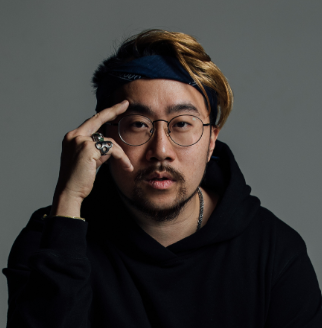
The name Jason Chu suddenly entered political headlines after reports connected him to a California investigation involving undisclosed paid political influencer campaigns
The controversy has sparked a wider debate across TikTok, Instagram, YouTube, Reddit and political media circles about transparency in influencer marketing and whether creators should clearly disclose when they are being paid to support political candidates.
At the center of the story is a campaign linked to California gubernatorial candidate Tom Steyer.
Reports claimed that influencers were paid to post supportive political content online while some allegedly failed to disclose compensation as required under California law.
According to reporting from The Washington Post, Jason Chu was among the influencers named in campaign finance records.
Critics argued that paid political messaging disguised as personal opinion crosses an ethical line.
Supporters responded by saying creators deserve compensation for their labor and political endorsements are common in modern campaigns.
The phrase “authentic creator vs paid propaganda” became a major talking point because audiences increasingly expect honesty and transparency from online personalities.
This article explains who Jason Chu is, why he is being discussed in political controversy, what the California investigation involves and why the debate around influencer ethics has become so intense in 2026.
Also Read: Priya Patel Bio: Viral Fame, Controversy and Global Reactions
Table of Contents
Who Is Jason Chu?
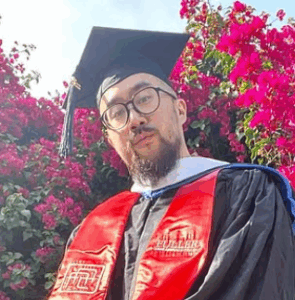
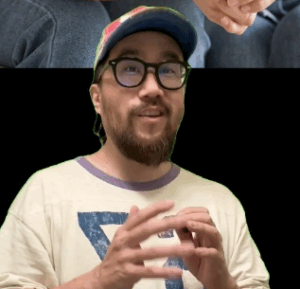
Jason Chu is a digital creator known for content focused on Asian culture, identity, history, politics and social commentary.1
Over the past few years he built a following across TikTok and Instagram by discussing Asian American experiences, cultural representation, social issues and current events.
His content style is often conversational and educational.
Many followers viewed him as a thoughtful creator rather than a traditional political influencer.
That reputation is part of why the recent controversy gained so much attention.
According to reporting from The Washington Post, Chu had a combined audience of roughly 130,000 followers across TikTok and Instagram at the time the political campaign controversy surfaced.
Before the controversy, Chu’s online reputation was generally connected to:
- Asian American cultural discussions
- History explainers
- Social justice commentary
- Identity and representation topics
- Progressive political conversations
Unlike celebrity influencers known mainly for entertainment or lifestyle content, Chu built credibility through commentary and analysis.
That made accusations about undisclosed political sponsorships more controversial because audiences often treat educational creators as especially trustworthy.
#n12stormwatchers pic.twitter.com/UDXt7ln8Jf
— Jason Chu (@JasonC1219) January 30, 2022
Quick Facts
| Category | Details |
|---|---|
| Full Name | Jason Chu |
| Known For | Social media creator and commentator |
| Main Platforms | TikTok, Instagram |
| Content Focus | Asian culture, identity, politics, social commentary |
| Estimated Combined Following | Around 130,000 followers |
| Political Controversy | Named in reports involving paid political influencer campaigns |
| Linked Campaign | California gubernatorial campaign connected to Tom Steyer |
| Main Debate | Authentic creator vs undisclosed political sponsorship |
| Investigation Topic | Alleged missing political advertisement disclosures |
| Public Reaction | Divided opinions online |
Why Is Jason Chu Suddenly in Political Controversy?
The controversy began after a report from The Washington Post revealed details about influencer payments tied to a California governor campaign.2
According to campaign finance records cited in the report, Jason Chu allegedly received payment for “online communications” connected to the campaign of Tom Steyer.
The report stated that Chu was paid $2,000 through a media contractor connected to the campaign.
The issue was not simply that creators were being paid. Political campaigns paying influencers is becoming increasingly common.
The controversy centered on whether some influencers properly disclosed those payments in their posts.
California law requires disclosure when creators are paid to support or oppose political candidates online.
Critics argued that audiences watching pro-campaign videos may not have realized the creators were compensated.
That distinction changed the public conversation from:
- “Influencers supporting a politician” to
- “Influencers secretly paid to shape public opinion”
For many viewers, the second scenario felt deceptive.
The Video That Triggered Attention
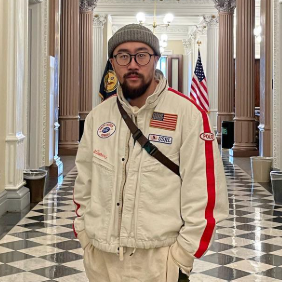
The Washington Post described a February video in which Jason Chu discussed Tom Steyer’s background and questioned whether Steyer had changed after recognizing the damage caused by hedge fund capitalism.
The article reported that Chu did not mention being paid in the video itself.
Critics argued that omission mattered because audiences may have interpreted the video as a fully independent personal opinion.
The controversy intensified because creator audiences often build parasocial trust with influencers.
Followers believe they know the creator personally and assume recommendations or political opinions are genuine.
When payment enters the equation without clear disclosure, audiences may feel manipulated.
Why the Debate Became Bigger Than Jason Chu
The Jason Chu controversy quickly evolved into a broader cultural conversation about influencer ethics and digital propaganda.
People online started asking difficult questions:
- Should political influencer sponsorships be treated like regular advertising?
- Are creators obligated to disclose every paid partnership?
- Can political content ever feel authentic if money is involved?
- Is influencer campaigning just modern political marketing?
- Are audiences becoming unable to distinguish opinion from promotion?
These questions pushed the story beyond one creator.
Many experts argue that influencer campaigns are now replacing traditional political advertising because younger audiences spend more time on TikTok and Instagram than watching television news.
Political strategists increasingly see creators as trusted messengers who can shape public opinion more effectively than campaign commercials.
That shift creates enormous ethical concerns.
The “Authentic Creator vs Paid Propaganda” Debate
The phrase “authentic creator vs paid propaganda” became central to the discussion because audiences now expect transparency from influencers.
Critics argued:
- Hidden sponsorships manipulate viewers
- Paid political messaging disguised as authentic opinion is deceptive
- Influencers have ethical responsibilities to audiences
- Political persuasion should be clearly labeled
Supporters argued:
- Influencers deserve payment for campaign work
- Celebrities and political endorsers have always been compensated indirectly
- Political speech online is evolving
- Disclosure mistakes should not automatically destroy careers
This debate reflects a major shift in media culture.
Traditional advertising is obvious. Influencer advertising often blends into personal storytelling.
That blurred line becomes especially controversial in politics because elections affect public policy, laws and democracy itself.
California’s Disclosure Rules Explained
California strengthened rules around political disclosure for online creators in recent years.
According to reporting referenced in the controversy, creators paid to support or oppose political candidates are expected to include disclaimers indicating the content is sponsored political communication.
The purpose of disclosure laws is transparency.
Viewers should know:
- Who paid for the message
- Whether content is sponsored
- If creators have financial incentives
Without disclosure, audiences may assume creators are sharing completely independent opinions.
This is similar to Federal Trade Commission rules involving sponsored commercial content.
However, political content occupies a more complicated legal and ethical area.
Why Influencer Politics Is Growing So Fast
The Jason Chu controversy highlights a much bigger trend in modern campaigning.
Political campaigns increasingly rely on:
- TikTok creators
- Instagram personalities
- YouTube commentators
- Podcast hosts
- Meme pages
- Micro-influencers
Why? Because younger audiences trust creators more than institutions.
Many people under 35:
- Avoid cable news
- Distrust traditional media
- Get information from social platforms
- Form opinions through creator communities
Campaigns recognize this reality.
Instead of running only television ads, politicians now try to:
- Appear relatable
- Enter creator spaces
- Build viral moments
- Reach niche audiences
That strategy can be effective but controversial.
The Role of Trust in Creator Culture
Trust is the foundation of influencer culture.
Followers often believe creators are:
- More honest than corporations
- More authentic than politicians
- More relatable than celebrities
This emotional connection creates influence.
Researchers studying sponsored content and influencer marketing have repeatedly warned that undisclosed advertising can confuse audiences and reduce transparency online.
When political messaging enters this environment, the stakes become much higher.
A beauty product sponsorship may influence purchases. Political persuasion may influence elections.
That difference explains why the controversy surrounding Jason Chu became so emotionally charged online.
Supporters Say Critics Are Overreacting
Not everyone believes the outrage is justified.
Some supporters argue:
- Political campaigns have always paid communicators
- Influencers are simply modern media personalities
- Campaign disclosure reports already listed payments
- Creators should not be singled out unfairly
Others point out that:
- Journalists receive salaries while shaping public opinion
- Television commentators have ideological bias
- Celebrities openly campaign for politicians
From this perspective, influencer politics is simply the latest evolution of campaign communication.
Supporters also argue that social media audiences should already understand that creators sometimes monetize political content.
Critics Say Hidden Sponsorships Threaten Democracy
Critics strongly disagree.
They argue undisclosed political sponsorships create several dangers:
- Artificial grassroots movements
- Manipulated public opinion
- Reduced trust in creators
- Hidden propaganda networks
- Confusion about authentic support
The complaint discussed in reporting claimed that campaigns may create the illusion of widespread organic enthusiasm through paid content.
This is where the “paid propaganda” accusation becomes powerful.
If audiences cannot distinguish genuine political passion from sponsored messaging, critics say democracy itself becomes more vulnerable to manipulation.
The Investigation and Public Scrutiny
The California Fair Political Practices Commission reportedly opened an investigation into possible violations connected to political advertisement disclosure rules.
Importantly, being named in reporting or investigations does not automatically mean wrongdoing has been proven.
However, public scrutiny alone can significantly affect creators because influencer careers depend heavily on:
- Audience trust
- Reputation
- Perceived authenticity
- Community loyalty
Once viewers begin questioning whether opinions are sponsored, creator credibility may suffer.
Also Read: Klaudia Zakrzewska Bio: Age, Career and London Crash Details
Social Media Reactions to the Jason Chu Story
Online reactions were deeply divided.3
Some commenters defended Chu by arguing:
- Creators need income
- Political collaboration is normal
- Audiences are too harsh on influencers
Others accused creators of:
- Selling political influence
- Misleading audiences
- Hiding sponsorships intentionally
- Damaging public trust
The controversy spread particularly fast because it combined three emotionally charged topics:
- Politics
- Social media influencers
- Authenticity
Those subjects almost always generate viral debate online.
Why Audiences Care So Much About Authenticity
Authenticity is essentially the currency of influencer culture.
Creators succeed because audiences believe:
- They are real people
- Their opinions are honest
- Their recommendations are genuine
When financial sponsorships are hidden, audiences may feel emotionally betrayed.
This explains why influencer controversies often become personal very quickly.
Followers are not just evaluating information. They are evaluating trust.
That emotional relationship is what makes influencer marketing so powerful and so controversial.
How Political Campaigns Use Micro-Influencers
One interesting aspect of the controversy is the focus on smaller creators rather than only massive celebrities.
Modern campaigns increasingly use micro-influencers because:
- Smaller audiences can feel more loyal
- Niche communities are easier to target
- Engagement rates are often stronger
- Content appears more personal
Researchers studying coordinated online influence campaigns have noted how digital communities can amplify messaging rapidly through networks of connected accounts.
This creates concern that influencer ecosystems may become sophisticated political persuasion tools.
The Blurred Line Between Opinion and Advertising
One reason this controversy became complicated is that political content naturally includes opinion.
Creators constantly share beliefs online:
- Social issues
- Elections
- activism
- policies
- candidates
So where exactly is the line between:
- authentic political opinion
- sponsored political advertising?
That line becomes blurry when creators genuinely support a candidate while also receiving payment connected to campaign promotion.
Critics say disclosure solves the problem. Supporters say disclosure expectations are still evolving and sometimes confusing across platforms.
Could This Change Influencer Regulations?
The controversy may push regulators toward stricter oversight of political creator partnerships.
Possible future changes could include:
- Mandatory disclosure labels
- Platform-level sponsorship tags
- Stronger penalties for violations
- Expanded campaign reporting rules
- Clearer influencer advertising standards
Governments worldwide are increasingly examining how social media shapes elections and public opinion.
The Jason Chu controversy may become part of a larger conversation about digital political ethics in the influencer era.
How This Could Affect Influencer Culture
This controversy may have long-term effects beyond politics.
Brands and audiences are already demanding more transparency from creators. Political sponsorship controversies could increase pressure for:
- clearer disclosure
- transparency standards
- visible sponsorship labels
- accountability expectations
Creators may become more cautious about political partnerships because backlash can damage credibility quickly.
At the same time, campaigns are unlikely to stop using influencers because the strategy clearly reaches younger audiences effectively.
The Bigger Cultural Question
The real issue is not only Jason Chu.
The bigger question is: What happens when influencers become one of society’s main political information sources?
That shift changes:
- campaigning
- journalism
- advertising
- public persuasion
- political trust
Social media blurred the boundaries between:
- friend and advertiser
- creator and journalist
- activist and marketer
- opinion and sponsorship
The controversy surrounding Jason Chu exposed how uncomfortable many people are with those blurred lines.
Public Trust and the Future of Online Politics
Trust is becoming one of the most valuable resources online.
Audiences increasingly want:
- honesty
- transparency
- authenticity
- disclosure
At the same time creators operate in an economy where monetization is essential.
This creates constant tension:
- audiences expect authenticity
- platforms reward engagement
- campaigns pay for influence
- creators need income
That combination almost guarantees future controversies similar to this one.
View this post on Instagram
FAQ’s
Who is Jason Chu?
Jason Chu is a social media creator known for content about Asian culture, identity, social issues, and political commentary on platforms like TikTok and Instagram.
Why is Jason Chu trending online?
He became part of a major online controversy after reports linked him to paid political influencer campaigns connected to a California gubernatorial race.
What is the California investigation about?
The investigation reportedly focuses on whether political influencer posts properly disclosed compensation as required under California political advertising laws.
Was Jason Chu accused of a crime?
Public reporting discussed investigations and campaign finance disclosures. Being named in reports or investigations does not automatically mean guilt or legal wrongdoing has been proven.
What does “authentic creator vs paid propaganda” mean?
The phrase reflects debate over whether influencers sharing paid political content can still appear authentic if sponsorships are not clearly disclosed.
Why are influencer campaigns controversial?
Critics believe undisclosed sponsorships may manipulate audiences. Supporters argue influencers are simply a modern extension of political communication and deserve compensation for promotional work.
Are political influencers required to disclose sponsorships?
In California, certain laws require disclosure when creators are paid to support or oppose political candidates online.
Why do campaigns use influencers now?
Influencers help campaigns reach younger audiences who spend more time on TikTok, Instagram and YouTube than on traditional television news.
Could this controversy affect future elections?
Possibly. The debate may lead to stronger transparency rules and greater public scrutiny around political influencer marketing.
Has Jason Chu responded publicly?
According to reporting cited in the controversy coverage, requests for comment were noted but no public response was included at that time.
Conclusion
The controversy surrounding Jason Chu represents more than a single creator facing public criticism.
It reflects a major transformation in how political influence works in the social media era. Influencers are no longer only entertainers or lifestyle personalities.
They are increasingly becoming political communicators with the ability to shape public opinion for millions of people.
That power creates difficult ethical questions.
Audiences want authenticity. Campaigns want influence. Creators want financial sustainability. Regulators want transparency.
Some viewers believe paid political influencer content is simply modern campaigning. Others believe hidden sponsorships threaten democratic transparency.
Either way the debate is not disappearing anytime soon.
As elections continue moving deeper into TikTok, Instagram, YouTube, podcasts and creator culture, controversies like this will likely become increasingly common.
The internet is now one of the most important political battlegrounds in the world and influencers are becoming central figures in that fight.
Also Read: Bhad Bhabie: Bio Career, Health Battle and Life in 2026