

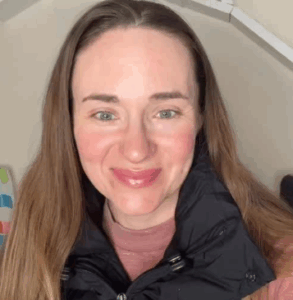
Social media creators are no strangers to controversy. Every few months the internet finds a new debate involving influencers, sponsorships, online transparency, and political messaging. In 2026, one name suddenly entered that conversation in a major way: Kaitlyn Hennessy
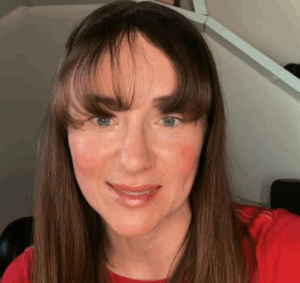
Kaitlyn Hennessy became a trending topic after she publicly helped expose alleged undisclosed political sponsorships connected to influencer marketing campaigns during the California gubernatorial race.
Her involvement quickly sparked widespread discussion across TikTok, Instagram, X, Reddit, and YouTube. Many online users praised her for calling out hidden political advertising while others became fascinated by the growing conflict between creators who were accusing each other of misleading audiences.
The story spread quickly because it touched on several major internet issues at once. These included influencer ethics, paid political content, fake grassroots campaigns, online accountability, and the growing power creators now hold in shaping political opinions.
The controversy also fueled discussions about whether audiences can still trust influencers who promote political candidates without clearly revealing sponsorships.
This article explores who Kaitlyn Hennessy is, why she is trending online, what role she played in the influencer sponsorship controversy, and why the internet has become obsessed with creators exposing each other in public.

Also Read: Klaudia Zakrzewska Bio: Age, Career and London Crash Details
Table of Contents
Who Is Kaitlyn Hennessy?
Kaitlyn Hennessy is an online creator and social media personality who gained attention in political and commentary spaces.1
While she was not previously considered a mainstream celebrity, her involvement in exposing alleged undisclosed sponsored political content dramatically increased her visibility online.
Hennessy became widely discussed after filing complaints related to influencer marketing practices allegedly tied to political campaigning. According to reports, she and another creator argued that some influencers were promoting political candidates without properly disclosing that they were being paid.
Her comments resonated strongly with viewers who already distrusted influencer marketing and political advertising on social platforms.
Many social media users viewed her as someone challenging deceptive online behavior. Others saw her as part of a larger movement demanding more transparency from creators and campaigns.
Although much about her personal background remains relatively private compared to major influencers, her online presence has grown significantly because of the controversy.
Kaitlyn Hennessy Quick Facts
| Category | Details |
|---|---|
| Full Name | Kaitlyn Hennessy |
| Known For | Online creator and political transparency advocate |
| Trending Because | Exposing alleged undisclosed political sponsorships |
| Main Discussion Topics | Influencer ethics, political content, sponsorship transparency |
| Platforms Mentioned Online | TikTok, Instagram, X, YouTube |
| Viral Moment | Filing complaints involving influencer political promotions |
| Public Reputation | Viewed by supporters as outspoken and direct |
| Internet Reaction | Mixed but highly engaged |
| Main Debate | Whether creators should clearly disclose paid political content |
| Trending Year | 2026 |
Why Is Kaitlyn Hennessy Trending Online?
The main reason Kaitlyn Hennessy is trending comes down to one explosive internet topic: hidden political influencer marketing.2
According to reporting from major publications, Hennessy helped file complaints related to online creators allegedly being paid to promote political candidates without proper disclosures.
This issue became massive online because influencer culture has already been under heavy scrutiny. Audiences are increasingly skeptical of sponsored content. When politics enters that world, reactions become even stronger.
The controversy exploded for several reasons:
1. Political Content Feels More Serious Than Brand Sponsorships
People may tolerate influencers quietly promoting makeup or clothing brands. Political content is different because it can affect public opinion, elections, and voter behavior.
Many internet users argued that hiding sponsorships in political videos crosses an ethical line. Hennessy’s criticism gained traction because audiences believed viewers deserve transparency when political messaging is financially motivated.
2. The “Fake Grassroots” Debate Went Viral
One major accusation connected to the controversy involved claims that paid influencer campaigns were designed to appear like organic grassroots support.
This became one of the biggest talking points online.
Social media users began debating questions such as:
- Are influencers creating fake public enthusiasm?
- Can political campaigns manufacture online support?
- Do audiences know when creators are being paid?
- Is influencer politics becoming manipulative?
These conversations spread rapidly across TikTok and X because they connected directly to growing public distrust of online media.
3. Internet Users Love Influencer Drama
The internet has always been fascinated by creators turning against each other.
When creators publicly accuse other influencers of dishonesty or manipulation, engagement skyrockets. People become emotionally invested because online creators often build communities based on authenticity and trust.
The Kaitlyn Hennessy situation triggered exactly that type of viral reaction.
Audiences watched creators:
- defend themselves
- accuse campaigns
- criticize sponsorship practices
- debate ethics publicly
- expose alleged behind-the-scenes deals
This transformed a political marketing issue into full-scale influencer drama.
4. TikTok and Instagram Amplified the Story
Short-form video platforms helped the controversy spread extremely fast.
Political clips, reaction videos, and creator commentary flooded TikTok feeds. Users stitched videos together, analyzed sponsorship disclosures, and debated whether creators were misleading followers.
Research has shown that TikTok and Instagram strongly amplify emotionally charged political content because platform algorithms reward engagement and reactions.
The controversy surrounding Hennessy became ideal viral content because it combined:
- politics
- internet drama
- influencer culture
- accusations
- hidden sponsorships
- audience betrayal
That combination created endless engagement.
The Influencer Sponsorship Controversy Explained
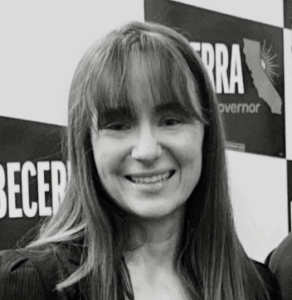
To understand why Kaitlyn Hennessy became such a major online topic, it helps to understand the broader controversy itself.3
Reports claimed that creators were allegedly paid to produce favorable political content promoting a gubernatorial candidate. Some posts reportedly lacked clear sponsorship disclosures.
Under California rules, political advertising disclosures may be required when creators are compensated for election-related content.
Hennessy and others argued that failing to clearly disclose payments could mislead audiences into believing the support was fully genuine and unpaid.
This triggered major discussions about:
- ethical influencer marketing
- hidden political advertising
- audience trust
- election transparency
- platform responsibility
The debate became especially intense because social media influencers now hold enormous power over younger audiences.
Why Influencer Political Advertising Is So Controversial
The Kaitlyn Hennessy story became larger than one creator because it exposed growing fears about influencer-driven politics.
Influencers Now Shape Public Opinion
Many young voters consume political content primarily through TikTok, Instagram, and YouTube instead of traditional news.
Creators can influence:
- voting opinions
- political narratives
- cultural discussions
- social movements
- candidate popularity
This gives influencers tremendous influence.
Sponsored Political Content Can Blur Reality
When creators mix entertainment with politics, audiences may struggle to separate genuine opinions from paid messaging.
That is why disclosure rules exist.
Studies on influencer disclosure practices have shown that sponsored transparency remains inconsistent across platforms and countries. Researchers also found that audiences generally prefer honest disclosure practices.
The Kaitlyn Hennessy controversy brought these concerns into mainstream internet discussion.
Audiences Want Authenticity
Modern creator culture is built on personal trust.
Followers often believe creators are relatable, honest, and independent. If audiences discover hidden sponsorships, that trust can disappear quickly.
This explains why the controversy generated such emotional reactions online.
Many users felt personally deceived by creators they previously trusted.
Also Read: Bhad Bhabie: Bio Career, Health Battle and Life in 2026
How Social Media Reacted to Kaitlyn Hennessy
Internet reactions to Kaitlyn Hennessy have been divided.
Supporters Praised Her
Many users applauded Hennessy for speaking publicly about transparency.
Supporters argued that:
- influencers should disclose political sponsorships
- hidden advertising damages democracy
- creators should be accountable
- audiences deserve honesty
Some users even described her as helping expose a larger industry problem.
Critics Accused Her of Fueling Drama
Others argued that the controversy became overly performative.
Critics claimed:
- creators were weaponizing scandals for attention
- influencer feuds were overshadowing real political issues
- online outrage culture was escalating unnecessarily
Still, even critics acknowledged that the discussion around sponsorship transparency was important.
Why the Internet Is Fascinated by Creators Turning on Each Other
One reason the Kaitlyn Hennessy situation exploded so quickly is because internet culture thrives on creator conflict.
Audiences are deeply invested in influencer relationships. When creators accuse each other publicly, viewers feel like they are watching real-time betrayals unfold.
This dynamic has become a recurring pattern online:
- former collaborators expose each other
- influencers leak private messages
- creators accuse others of dishonesty
- fan communities split into sides
The Hennessy controversy fit perfectly into that pattern.
But unlike ordinary influencer drama, this story involved politics and public trust. That raised the stakes dramatically.
The Growing Problem of Political Influencer Marketing
The controversy surrounding Kaitlyn Hennessy also highlighted a much bigger issue.
Political campaigns increasingly rely on influencers because younger audiences spend more time on social platforms than traditional television or news websites.
Influencer campaigns can:
- feel more personal
- reach niche communities
- spread faster than ads
- create viral narratives
This makes creators valuable political marketing tools.
However, critics argue that undisclosed sponsorships risk manipulating audiences who may not realize content is paid promotion.
Experts have increasingly warned that social platforms are changing how political narratives spread online.
The Hennessy controversy became a real-world example of those concerns.
Did Kaitlyn Hennessy Change the Conversation?
In many ways, yes.
Even people unfamiliar with her before the controversy began discussing influencer transparency after the story spread.
The situation forced audiences to ask difficult questions:
- Should political influencers follow stricter rules?
- Are social media audiences too trusting?
- Should platforms enforce clearer disclosures?
- Can creator culture survive without transparency?
Regardless of where people stand politically, the controversy pushed influencer ethics into wider public discussion.
Kaitlyn Hennessy and the Future of Online Accountability
The internet is entering a new era where creators are no longer viewed as casual entertainers alone.
Influencers now operate like:
- media personalities
- political commentators
- advertisers
- brand ambassadors
- public opinion shapers
That means audiences increasingly expect professional standards and transparency.
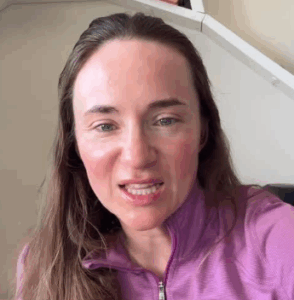
Kaitlyn Hennessy became a trending figure because she stepped into that debate at exactly the right moment.
The controversy reflected larger internet anxieties about:
- misinformation
- sponsored manipulation
- authenticity
- political polarization
- influencer power
As creator culture continues evolving, stories like this will likely become more common.
Public Interest Continues Growing
Searches for Kaitlyn Hennessy increased because the story combined multiple viral internet ingredients:
- politics
- scandal
- influencer feuds
- hidden sponsorships
- ethical debates
- creator accountability
That combination keeps audiences engaged for long periods.
Many users continue following updates because they believe the controversy may influence future rules around influencer political advertising.
Others simply remain fascinated by the ongoing creator conflicts connected to the story.
Either way, Kaitlyn Hennessy has become one of the most talked-about names connected to influencer transparency debates in 2026.
View this post on Instagram
Frequently Asked Questions
Who is Kaitlyn Hennessy?
Kaitlyn Hennessy is an online creator who became widely known after helping expose alleged undisclosed sponsored political content connected to influencer marketing campaigns.
Why is Kaitlyn Hennessy trending online?
She is trending because of her involvement in complaints related to political influencer sponsorship disclosures and creator transparency debates.
What controversy is Kaitlyn Hennessy connected to?
She is connected to discussions involving influencers who allegedly promoted political candidates without clearly disclosing paid sponsorships.
Why are people talking about influencer transparency?
Many audiences believe viewers should know when creators are being paid to promote political messages or candidates.
Did social media help the controversy go viral?
Yes. TikTok, Instagram, X, and YouTube helped spread reaction videos, debates, and creator commentary very quickly.
Are undisclosed political sponsorships illegal?
Disclosure requirements vary by location and platform. Reports connected to this controversy referenced California political advertising disclosure rules.
Why do audiences care so much about creators exposing each other?
Internet culture strongly reacts to influencer conflicts because audiences become emotionally invested in creator authenticity and trust.
Is influencer political marketing becoming more common?
Yes. Political campaigns increasingly use influencers to reach younger audiences online.
Conclusion
Kaitlyn Hennessy became a trending online figure because she stepped into one of the internet’s biggest modern debates: whether influencers should clearly disclose political sponsorships and paid messaging.
Her involvement in exposing alleged undisclosed political content transformed her into a central figure in conversations about transparency, creator accountability, and the future of political influencer marketing.
The controversy spread rapidly because it combined politics, internet drama, social media culture, and growing distrust toward sponsored online content.
The situation also revealed how powerful influencers have become in shaping public opinion. As creators continue acting as media personalities and political voices, audiences are demanding greater honesty and clearer disclosure practices.
Whether people support Kaitlyn Hennessy or criticize the online drama surrounding the controversy, one thing is clear: the internet is paying close attention to how influencer culture intersects with politics. That conversation is unlikely to disappear anytime soon.
Also Read: Gabrielle Carrington Bio: The Story Behind the Controversial Case