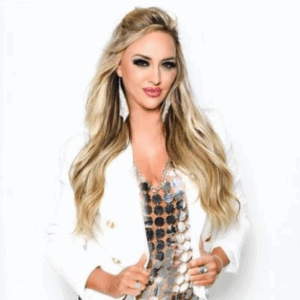
Estee Williams is once again at the center of online debate. Over the past few years, she became one of the most recognizable faces of the “tradwife” movement on TikTok and Instagram
Her videos about homemaking, femininity, marriage, vintage fashion and traditional gender roles attracted millions of viewers.
At the same time, they also sparked criticism from people who viewed the trend as unrealistic, politically loaded or harmful. Now the conversation around her has returned in a bigger way.
Social media users are discussing whether the tradwife aesthetic is losing popularity. Others are questioning whether audiences are simply exhausted by heavily curated lifestyle content.
The phrase “aesthetic fatigue” has become common across TikTok, Reddit and online culture discussions as people move away from overly polished internet personas.
Estee Williams became one of the biggest examples of this shift because she represented the idealized version of the trend.
Her carefully styled dresses, vintage-inspired homemaking content and messaging about traditional femininity made her both admired and criticized.
As online culture changes in 2026, many people are revisiting her content and asking whether the tradwife era is fading. The debate is not only about Estee herself. It reflects larger conversations about gender roles, influencer culture, authenticity, monetization and internet trends.
Some viewers still appreciate her content for its calm and nostalgic atmosphere. Others argue that the movement romanticized a lifestyle that is financially unrealistic for most families.
This article explains who Estee Williams is, why she became famous, why she is back in internet discussions and why many people believe the tradwife trend may be reaching a turning point.
Also Read: Onision Biography: Rise, Controversy and Current Online Activity
Table of Contents
Who Is Estee Williams?
Estee Williams is an American social media influencer best known for promoting traditional femininity and homemaking content online.1
She gained popularity during the rise of the “tradwife” trend, a term short for “traditional wife.”
The tradwife movement focuses on women embracing conventional domestic roles such as cooking, cleaning, homemaking, childcare and supporting a husband who serves as the primary provider.
On platforms like TikTok, Instagram and YouTube, creators in this space often combine vintage aesthetics with lifestyle advice and relationship content.
Estee stood out because of her polished presentation. Her videos frequently featured elegant dresses, carefully decorated kitchens, old-fashioned beauty routines and discussions about femininity.
Many viewers described her content as calming and visually appealing.
Her style also aligned with the growing “soft life” and nostalgic internet aesthetics that became extremely popular after the pandemic years.
Before becoming widely known as a tradwife creator, she reportedly had a background connected to fitness and modeling content.
Critics on Reddit and social media later pointed to this shift as evidence that her online identity evolved strategically over time.
Despite criticism, Estee developed a loyal audience. Supporters viewed her as someone encouraging women to embrace domestic life without shame.
They argued that feminism should include the freedom to choose homemaking if that is what a woman truly wants.
Critics strongly disagreed. They argued that the tradwife trend often romanticized older gender expectations while ignoring the economic realities faced by most modern families.
Some also believed that the aesthetic carried political undertones connected to conservative culture online.
Over time, Estee Williams became one of the internet’s most recognizable tradwife influencers.
Her name regularly appeared in online discussions about femininity, influencer culture and gender politics.
Tradwife Influencer Estee Williams Reveals 3-Month-Old Daughter Is on ‘Full Life Support’ After Going into Cardiac Arrest https://t.co/Pe8QbJlCwA
— People (@people) December 24, 2025
Quick Stats
| Category | Details |
|---|---|
| Full Name | Estee Williams |
| Known For | Tradwife and femininity content |
| Main Platforms | TikTok, Instagram, YouTube |
| Content Style | Homemaking, marriage, femininity, vintage aesthetics |
| Popular Topics | Traditional gender roles, domestic life, relationships |
| Internet Identity | “Tradwife” influencer |
| Major Debate | Whether tradwife culture promotes unrealistic gender expectations |
| Current Discussion | Tradwife backlash and aesthetic fatigue |
| Audience Reaction | Mixed support and criticism |
| Trend Association | Traditional femininity and nostalgic lifestyle content |
What Is the Tradwife Trend?
The tradwife movement became one of the most talked-about internet lifestyle trends in recent years.2
The term itself refers to women who promote traditional marriage roles where the husband acts as provider while the wife focuses on homemaking and family responsibilities.
The aesthetic became highly visible during and after the pandemic.
Many people were spending more time at home, baking, cooking, decorating, gardening and rethinking work-life balance. This environment helped domestic lifestyle content grow quickly online.
Tradwife influencers often mixed several elements together:
- Vintage fashion
- Domestic routines
- Feminine beauty standards
- Cooking and homemaking
- Religious or conservative values
- Romanticized family life
Creators like Estee Williams built large audiences because the content felt visually comforting and nostalgic.
Videos were often filmed with soft lighting, calm music and carefully curated homes.
However, the movement also attracted controversy almost immediately.
Critics argued that the trend ignored the historical realities women faced in earlier generations when financial independence and career opportunities were limited.
Others said the trend promoted dependency on men while disguising itself as harmless lifestyle content.
Academic discussions around the tradwife movement also increased.
Researchers examined how online aesthetics can normalize ideological messages through visually appealing content.
Some studies explored the overlap between cottagecore aesthetics, traditionalism and political internet communities.
Still, supporters defended the trend as a personal lifestyle choice rather than a political movement.
This divide became one of the reasons the tradwife conversation remained so viral online.
Why Is Estee Williams Back in Internet Debate?
The current debate around Estee Williams is happening for several reasons at the same time.
Growing “Tradwife Fatigue”
One major reason is that many internet users believe the tradwife trend has become oversaturated.
According to recent trend reporting, engagement around tradwife content has dropped noticeably in 2026.
Search interest has reportedly declined while newer internet aesthetics have started replacing it.
Viewers who once enjoyed the content are now describing it as repetitive, unrealistic or overly performative.
This has led to discussions about “aesthetic fatigue,” where audiences become tired of heavily curated influencer identities.
Because Estee Williams became one of the biggest symbols of the tradwife movement, she naturally became part of this backlash conversation.
Questions About Authenticity
Another reason for renewed debate is authenticity.
Many internet users now question whether tradwife influencers genuinely live the lifestyles they promote.
Reddit discussions about Estee Williams frequently criticize the commercial nature of influencer branding and argue that some creators turned traditional femininity into a profitable business model.
Critics point out that many tradwife influencers operate large social media businesses, secure sponsorship deals and rely heavily on public engagement.
They argue that this conflicts with the image of rejecting modern career culture.
Supporters respond by saying there is nothing hypocritical about earning money online while discussing homemaking.
They believe critics unfairly target women who choose domestic lifestyles. This disagreement keeps fueling online discussions.
Shift Toward Career-Focused Content
Internet culture changes very quickly.
According to recent trend analysis, audiences in 2026 are becoming more interested in career-focused content again.
New popular aesthetics include:
- Corporate lifestyle content
- Finance career influencers
- Tech industry creators
- Productivity-focused creators
- “Office siren” fashion trends
These trends represent almost the opposite of the tradwife aesthetic.
Instead of emphasizing domestic life, they focus on ambition, independence, salary transparency and workplace success.
As these new trends rise, people are revisiting tradwife influencers like Estee Williams and debating whether their popularity is declining.
Monetization Controversies
Another topic connected to Estee Williams involves criticism about influencer monetization.
Some online discussions questioned whether influencers promoting modesty and anti-consumer values should still participate heavily in brand sponsorships and social media marketing.
Critics argued that some tradwife creators built businesses around selling an idealized fantasy lifestyle.
This created accusations of hypocrisy.
At the same time, supporters argued that content creators deserve to make income from their platforms just like any other influencer category.
The debate reflects a larger issue across influencer culture where audiences increasingly want authenticity while still consuming highly produced content.
The Role of Aesthetic Fatigue
“Aesthetic fatigue” has become one of the biggest internet culture discussions in 2026.3
The term describes the exhaustion people feel after seeing the same highly curated visual styles repeated constantly online.
Social media trends often move through cycles where something feels fresh at first but later becomes overproduced and predictable.
The tradwife aesthetic followed this pattern.
At its peak, TikTok and Instagram were filled with:
- Perfect kitchens
- Homemade bread videos
- Vintage dresses
- Traditional marriage advice
- Soft feminine imagery
Over time, many viewers began feeling that the content looked more like performance than reality.
Critics said the trend created unrealistic expectations around relationships, family life, beauty and financial stability.
This is one reason Estee Williams remains central to current internet discussions.
She became one of the defining faces of the aesthetic itself.
Trend analysts now compare the decline of tradwife content to earlier internet aesthetic cycles like cottagecore and clean girl culture.
Also Read: Colleen Ballinger Bio: Rise, Controversy and Life After Backlash
How Personal Life Changed Public Perception
In recent months, Estee Williams also received public attention for personal reasons unrelated to internet culture debates.
Reports revealed that her daughter faced serious medical complications involving congenital heart disease.
According to interviews, this experience deeply changed her priorities and online content direction.
Many viewers responded sympathetically and appreciated seeing a more vulnerable side of her life.
Others noticed that her content gradually shifted away from strict tradwife messaging toward broader motherhood and family discussions.
This shift complicated public perception of her image. For some people, it made her appear more authentic and human beyond the online persona.
For others, it reinforced discussions about how influencer branding changes over time depending on audience reactions and personal events.
Why the Tradwife Debate Became So Polarizing
The tradwife conversation became controversial because it touches on emotional social topics.
Supporters often argue:
- Women should be free to choose homemaking
- Domestic labor deserves respect
- Traditional family structures can work well
- Feminism should include all lifestyle choices
Critics argue:
- The trend romanticizes inequality
- Many families cannot financially survive on one income
- The aesthetic ignores historical realities
- Influencers profit from unrealistic fantasy lifestyles
Academic and media analysis also points out that internet aesthetics can carry ideological messages even when presented softly or indirectly.
Because of this, discussions around creators like Estee Williams rarely stay limited to lifestyle content.
They quickly expand into broader conversations about politics, economics, gender roles and internet culture.
Is the Tradwife Trend Actually Dying?
The answer is complicated. The tradwife trend is probably not disappearing completely.
There will always be audiences interested in homemaking, family routines, cooking and traditional aesthetics.
However, many analysts believe the peak cultural moment has passed. Recent reports suggest declining engagement, reduced search interest and growing audience fatigue.
Internet culture constantly shifts toward whatever feels new. Right now, audiences seem more interested in:
- Realistic lifestyle content
- Career transparency
- Economic survival discussions
- Authentic daily routines
- Less polished influencer branding
This does not mean creators like Estee Williams will disappear.
Instead, their content may evolve alongside changing audience expectations.
Some influencers already appear to be moving away from rigid aesthetic identities toward more flexible and personal storytelling.

The Bigger Meaning Behind the Debate
The renewed discussion around Estee Williams reflects something bigger than one influencer.
It shows how internet audiences are changing their relationship with social media aesthetics.
People are becoming more skeptical of perfect online lifestyles and more aware of how trends become commercialized.
The tradwife backlash also reveals tension between aspiration and reality. Many viewers enjoyed the peaceful and visually appealing aspects of the content.
At the same time, they questioned whether the lifestyle was financially realistic or emotionally honest.
In many ways, the debate mirrors broader internet culture trends:
- Audiences want authenticity
- Influencer perfection feels less relatable
- Economic anxiety affects online trends
- Viewers increasingly question monetized identities
Estee Williams became a symbol of these discussions because her brand represented the polished peak of the tradwife era.
View this post on Instagram
FAQ’s
Who is Estee Williams?
Estee Williams is a social media influencer known for promoting traditional femininity, homemaking and tradwife lifestyle content on TikTok and Instagram.
Why is Estee Williams controversial?
She is controversial because critics believe tradwife culture romanticizes outdated gender roles and unrealistic lifestyles. Supporters argue she is simply promoting personal lifestyle choices.
What does “tradwife” mean?
“Tradwife” stands for “traditional wife.” It refers to women who embrace traditional domestic roles focused on homemaking, marriage and family life.
Why are people saying the tradwife trend is dying?
Many internet users believe audiences are experiencing “aesthetic fatigue” with heavily curated lifestyle content. Reports also show declining engagement around tradwife hashtags and creators.
What is aesthetic fatigue?
Aesthetic fatigue happens when online audiences become tired of seeing the same visual trends repeated constantly across social media.
Did Estee Williams change her content?
Yes. Recent reports suggest she shifted some focus away from strict tradwife content toward motherhood and personal family experiences.
Why do some people support tradwife influencers?
Supporters often appreciate the emphasis on homemaking, family life, femininity and slower living. Some also view it as a valid personal choice.
Why do critics oppose tradwife culture?
Critics argue the movement can romanticize dependency, ignore economic realities and present idealized versions of historical gender roles.
Conclusion
Estee Williams remains one of the internet’s most talked-about lifestyle influencers because she represents a larger cultural conversation.
Her rise reflected the popularity of nostalgia, femininity and domestic aesthetics during a period when many people were rethinking modern work and identity.
Now, the renewed debate around her reflects a different internet mood. Audiences are becoming more skeptical of polished influencer personas and more interested in realism, authenticity and economic practicality.
The tradwife trend may not disappear completely, but its dominance appears to be fading as new online aesthetics take over.
Whether people admire or criticize Estee Williams, her influence on internet culture is undeniable. The discussions surrounding her today are ultimately about more than one creator.
They reveal how quickly online trends evolve and how social media audiences constantly renegotiate what they consider authentic, aspirational and believable.
Also Read: Lele Pons Bio: Age, Career, Health Struggles and Viral Fame