

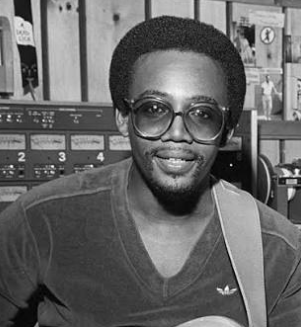
Bernard Edwards was one of the most influential bass players and music producers of the modern era. Although he passed away in 1996, his impact on music continues to grow. In recent months, many people have been searching for his name again
Music fans, bass players, producers and younger listeners are discovering his work through social media, streaming platforms, documentaries, tribute posts and discussions about the history of disco, funk and hip-hop.
The renewed online interest in Bernard Edwards is not tied to a single breaking news event.
Instead, it appears to be driven by several factors.
Tributes from longtime musical partner Nile Rodgers, growing appreciation for classic disco and funk music, viral discussions about iconic bass lines and the continued influence of Chic’s catalog have all contributed to increased searches.
Recent social media posts celebrating Edwards’ legacy have also encouraged new generations to learn more about him.
For anyone unfamiliar with his work, Bernard Edwards was much more than the bassist of Chic.
He was a songwriter, producer, innovator and one of the architects of modern popular music. His bass lines helped shape disco, funk, pop, R&B and even early hip-hop.
Also Read: Britt Barbie Bio: From “Period Ahh” Meme to Internet Creator
Table of Contents
Who Is Bernard Edwards?
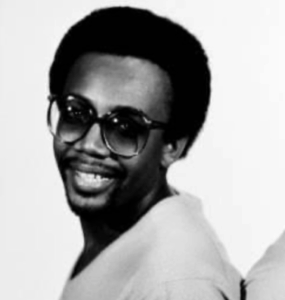
Bernard Edwards was born on October 31, 1952, in Greenville, North Carolina. He later grew up in Brooklyn, New York, where he met guitarist and songwriter Nile Rodgers during the early 1970s.1
Together, Edwards and Rodgers formed the group Chic, which would become one of the defining acts of the disco era.
Their partnership created some of the most recognizable songs in music history including “Le Freak,” “Good Times,” “Everybody Dance” and “I Want Your Love.”
Beyond Chic, Edwards and Rodgers became one of the most successful songwriting and production teams in the music industry.
They produced and wrote songs for major artists including Sister Sledge, Diana Ross, Debbie Harry, Sheila and B. Devotion and many others.
Their work helped define the sound of late-1970s and early-1980s popular music.
Edwards was especially known for his melodic bass playing style. Unlike many bassists who simply followed the rhythm, he created bass lines that became the central hook of a song.
His approach influenced countless musicians across multiple genres.
Remembering Bernard Edwards 🕊️🙏🏽✨(Oct. 31, 1952 – April 18, 1996). Legendary bassist, writer, producer of CHIC w @nilerodgers Power Station, Sister Sledge, Diana Ross..;
Bernard was also producer of 3 songs on my solo debut including one of my biggest Pop/R&B/Dance hits… pic.twitter.com/pdoo1dPw4G
— JODY WATLEY (@jodywatley) April 18, 2024
Early Life and Musical Beginnings
Bernard Edwards spent much of his childhood in Brooklyn. During the early 1970s, he met Nile Rodgers and the two quickly discovered a shared passion for music.
Before creating Chic, they played together in a group known as The Big Apple Band.
Although the band did not achieve major commercial success, it provided the foundation for what would eventually become Chic.
The pair believed they could create a sophisticated blend of dance music, funk and pop that appealed to both club audiences and mainstream listeners. That vision proved remarkably successful.
Quick Stats
| Category | Details |
|---|---|
| Full Name | Bernard Edwards |
| Date of Birth | October 31, 1952 |
| Place of Birth | Greenville, North Carolina, United States |
| Date of Death | April 18, 1996 |
| Place of Death | Tokyo, Japan |
| Profession | Bassist, Songwriter, Record Producer |
| Famous For | Co-founding Chic with Nile Rodgers |
| Genres | Disco, Funk, R&B, Soul, Pop |
| Main Instrument | Bass Guitar |
| Years Active | 1972–1996 |
| Most Famous Songs | Le Freak, Good Times, I Want Your Love, Everybody Dance |
| Notable Collaborators | Nile Rodgers, Sister Sledge, Diana Ross, Debbie Harry, Robert Palmer |
| Legacy | One of the most influential bassists in popular music history |
Bernard Edwards Career Journey
The Rise of Chic
When Chic emerged in the late 1970s, disco was reaching its commercial peak. However, Chic stood apart from many other disco acts.2
The group’s music combined tight musicianship, memorable hooks, sophisticated arrangements and outstanding rhythm sections. Bernard Edwards’ bass playing became one of the band’s defining features.
Songs such as:
- Dance, Dance, Dance
- Everybody Dance
- Le Freak
- I Want Your Love
- Good Times
became international hits and remain popular decades later.
“Le Freak” became one of the biggest-selling singles in Atlantic Records history, while “Good Times” became one of the most sampled and referenced tracks ever recorded.
His Influence on Hip-Hop
One reason Bernard Edwards remains relevant today is his unexpected role in the development of hip-hop.
The Sugarhill Gang’s “Rapper’s Delight” borrowed heavily from the groove of Chic’s “Good Times.” The song became a landmark moment in rap music and introduced hip-hop to mainstream audiences.
Because of this connection, Edwards’ influence extends beyond disco and funk. His musical ideas helped shape an entirely new genre.
Many hip-hop producers continue to sample or study his work because of its rhythmic strength and timeless appeal.
Production Work Beyond Chic
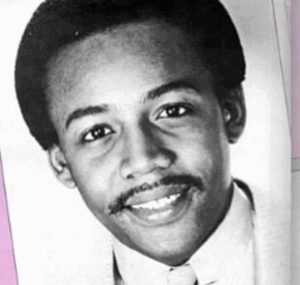
Bernard Edwards was not limited to performing. He also became a highly respected producer and songwriter.
Among the artists connected to his production work are:
- Sister Sledge
- Diana Ross
- Debbie Harry
- Robert Palmer
- Duran Duran members through The Power Station project
- Johnny Mathis
- Rod Stewart
His production style emphasized strong grooves, polished arrangements and memorable hooks. Many of these recordings became commercial successes.
The Power Station and Rock Music Success
During the 1980s, Edwards expanded beyond disco and funk.
He played a key role in forming and producing The Power Station, a supergroup that included members of Duran Duran and singer Robert Palmer.
The project achieved significant commercial success and demonstrated Edwards’ versatility as a producer.
His ability to move between genres helped establish him as one of the music industry’s most respected creative figures.
Bernard Edwards’ Last Years
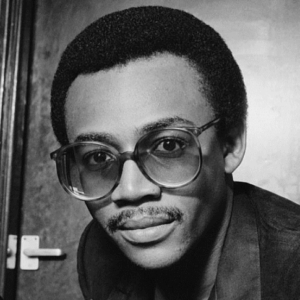
In the early 1990s, Edwards reunited with Nile Rodgers for a Chic revival. The partnership once again attracted attention from music fans around the world.
In April 1996, Edwards traveled to Japan as part of a concert series.
Despite feeling unwell before a performance, he continued with the show.
Shortly afterward, he passed away in Tokyo at the age of 43. His death shocked the music world because he was still actively performing and producing.
Although his life ended early, his influence never disappeared.
Also Read: Priya Patel Bio: Viral Fame, Controversy and Global Reactions
Why Is Bernard Edwards Trending Again?
Social Media Tributes
One of the biggest reasons for the recent increase in searches is the ongoing stream of tribute content from Nile Rodgers and the Chic community.
Rodgers frequently shares memories, photos, videos and birthday tributes honoring Edwards. These posts often attract thousands of interactions and introduce Edwards to younger audiences.
Growing Interest in Music History
Many listeners today are exploring the roots of modern music. As people research the origins of funk, disco, pop and hip-hop, they repeatedly encounter Bernard Edwards’ name.
His bass line for “Good Times” remains one of the most influential grooves ever recorded. It inspired Queen’s “Another One Bites the Dust” and was used as the musical foundation for Sugarhill Gang’s “Rapper’s Delight,” one of the first major hip-hop hits.
The Continued Popularity of Chic
Chic’s music continues to appear in movies, television shows, advertisements, playlists and live performances.
As new listeners discover songs like “Le Freak” and “Good Times,” many search for information about the musicians behind those classics.
Bass Player Communities
Bass players regularly rank Bernard Edwards among the greatest bassists of all time. Online discussions, instructional videos and gear breakdowns often focus on his playing technique.
These conversations generate recurring interest in his life and career.
Anniversary Discussions and Legacy Content
Music publications, fan communities and social media accounts frequently commemorate important dates connected to Edwards’ career and life.
Such anniversary content often leads to spikes in search activity as fans revisit his achievements.
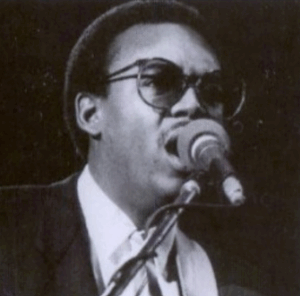
Why Bernard Edwards Was Different as a Bass Player
Many musicians view Bernard Edwards as a revolutionary bassist.3
His playing style combined:
- Groove
- Melody
- Simplicity
- Precision
- Musical storytelling
Rather than staying in the background, his bass lines often acted as the central musical theme.
The best example is “Good Times.” The bass groove is so memorable that many listeners can recognize it instantly even without vocals.
Music historians frequently point to Edwards as a musician who changed the role of bass guitar in popular music. His work demonstrated that bass could be both rhythmic and melodic at the same time.
Bernard Edwards’ Lasting Legacy
Today, Bernard Edwards is widely regarded as one of the greatest bass players in music history.
His influence can be heard in:
- Disco
- Funk
- Pop
- Rock
- R&B
- Hip-hop
- Dance music
Musicians continue to study his bass techniques. Producers still sample his recordings. Fans continue to discover Chic’s music through streaming services and social media.
The bass line from “Good Times” alone has secured his place in music history. Yet his broader contributions as a songwriter, producer and innovator are equally significant.
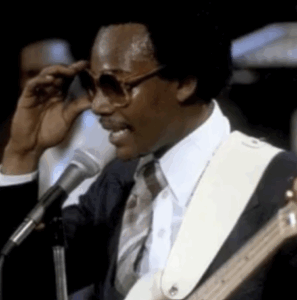
How New Generations Are Discovering Bernard Edwards
Streaming platforms have made classic music more accessible than ever.
Many younger listeners first encounter Bernard Edwards through:
- TikTok music clips
- Instagram music pages
- YouTube bass tutorials
- Classic disco playlists
- Documentary content
- Samples used in modern songs
As these listeners learn more about the origins of the music they enjoy, they often discover Edwards and his remarkable career.
This ongoing cycle of discovery helps explain why his name continues appearing in search trends decades after his passing.
Bernard Edwards’ Most Important Achievements
Some of his most notable accomplishments include:
- Co-founding Chic
- Writing and producing multiple global hit songs
- Creating one of the most famous bass lines ever recorded
- Influencing the birth of mainstream hip-hop
- Producing successful albums for major artists
- Helping redefine the role of bass guitar in popular music
- Inspiring generations of musicians and producers
These achievements explain why his legacy remains strong and why public interest continues to grow.
View this post on Instagram
FAQ’s
Why is Bernard Edwards trending right now?
Bernard Edwards is seeing renewed search interest because of tribute posts, social media discussions, increased appreciation for classic disco and funk music and ongoing recognition of his influence on modern music.
Who was Bernard Edwards?
Bernard Edwards was an American bassist, songwriter and producer best known as the co-founder of Chic alongside Nile Rodgers. He helped create some of the most influential songs of the disco era.
What is Bernard Edwards most famous for?
He is most famous for co-founding Chic and creating iconic songs such as “Le Freak,” “Good Times” and “I Want Your Love.” He is also known for his groundbreaking bass playing.
How did Bernard Edwards influence hip-hop?
His bass line from “Good Times” became the foundation for Sugarhill Gang’s “Rapper’s Delight,” one of the first mainstream rap hits. This connection helped influence the development of hip-hop music.
When did Bernard Edwards die?
Bernard Edwards died on April 18, 1996, in Tokyo, Japan while participating in a concert-related trip.
Was Bernard Edwards only a bass player?
No. In addition to being a bassist, he was a songwriter, producer, arranger and music industry innovator who worked with many major artists.
What made Bernard Edwards’ bass style unique?
His bass lines combined groove and melody in a way that made them central to the song rather than simply supporting the rhythm section. This approach influenced countless musicians.
Conclusion
Bernard Edwards remains one of the most important figures in modern music history.
As the co-founder of Chic, he helped create timeless classics that continue to influence artists across genres.
His bass playing transformed the role of the instrument and his production work shaped the sound of an entire generation.
The recent rise in online searches reflects a growing appreciation of his contributions.
Social media tributes, music history discussions, streaming platforms and renewed interest in classic funk and disco have introduced his work to new audiences around the world.
More than three decades after his passing, Bernard Edwards continues to inspire musicians, producers and fans.
His grooves remain instantly recognizable. His influence remains undeniable.
And as new listeners discover the music he helped create, his legacy continues to grow.
Also Read: Gabrielle Carrington Bio: The Story Behind the Controversial Case