
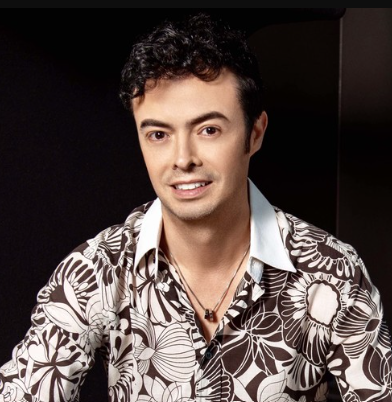
Before Instagram became a popular place to share photos and before Facebook connected billions of people around the world, there was Orkut
For millions of internet users in India and Brazil, Orkut was more than just a social networking website.
It was a place to make friends, share memories, join communities and stay connected with people who lived far away.
Former users still remember its testimonials, scrapbooks, profile visits and communities with affection.
Now, in October 2026, Orkut Büyükkökten is back in the spotlight after calling on people to support a possible revival of the social network’s original spirit.
His renewed campaign has raised questions about whether the internet needs a more personal and community-focused platform.
So, who is Orkut Büyükkökten? How did he create one of the internet’s most memorable social networks? And could the platform that came before Instagram make a comeback?
Also Read: John Clarke Biography: Know More About The Nobelist
Table of Contents
Who Is Orkut Büyükkökten?
Orkut Büyükkökten is a Turkish software engineer, computer scientist and social entrepreneur best known for creating the social networking website Orkut.1
He developed the platform while working at Google and helped introduce millions of people to online communities and digital friendships.
Born in Konya, Turkey, Büyükkökten developed an interest in technology at an early age. His passion for computers eventually led him to study computer engineering and computer science.
He earned his undergraduate degree from Bilkent University in Ankara before moving to the United States to continue his education at Stanford University. At Stanford, he completed both a master’s degree and a Ph.D. in computer science.
His time at the university also helped him understand how technology could make it easier for people to discover common interests and build relationships. Büyükkökten’s work has always focused on more than developing software.
He has consistently expressed an interest in creating digital spaces where people can meet, communicate and feel that they belong. His most famous creation, Orkut, reflected this vision.
Rather than focusing only on public posts and popular content, the platform encouraged users to build personal profiles, connect with friends and participate in interest-based communities. Today, Büyükkökten continues to discuss the future of social networking.
He believes modern platforms should put genuine human interaction ahead of endless scrolling, engagement-driven algorithms and content designed mainly to attract attention.
I’m extremely excited to give the keynote on “Inclusion & Diversity in Tech” at the Silicon Valley Conference (StartSe). This year the conference is online and FREE. You can register at:
https://t.co/kihSiWZBFQ
Hope to see you
Thursday, Oct 22nd @ 2:30pm PST— Orkut Buyukkokten (@orkut) October 21, 2020
Early Childhood and Education
Orkut Büyükkökten was born on February 6, 1975, in Konya, Turkey. He moved to Germany with his family when he was around one year old and spent part of his early life there.
Although detailed information about his childhood remains limited, interviews and profiles have highlighted his early fascination with science fiction, technology and computers. His interest in science fiction, including Star Wars, helped shape his curiosity about technology and what it might make possible.
As he grew older, his interest in computers developed into a serious academic pursuit. He returned to Turkey for higher education and attended Bilkent University in Ankara. There, he studied computer engineering and information science, building the technical foundation for his future career.
His next major step was Stanford University in California. Stanford exposed him to an environment where computer science, research and new ideas were closely connected.
It also gave him the opportunity to explore how digital tools could improve communication between people. During his time at Stanford, Büyükkökten noticed that students often met new people through existing friendships and shared social circles.
He began thinking about how the internet could help people discover these connections more easily. This observation became an important part of his approach to social networking.
He saw technology as a way to help people find friends, connect with others who shared their interests and build communities beyond their immediate surroundings. His education did not simply prepare him for a career in software engineering.
It also helped him develop the idea that online platforms could serve a meaningful social purpose.
Quick Facts
| Category | Details |
|---|---|
| Full name | Orkut Büyükkökten |
| Date of birth | February 6, 1975 |
| Age in October 2026 | 51 years |
| Birthplace | Konya, Turkey |
| Nationality | Turkish |
| Profession | Software engineer, computer scientist and social entrepreneur |
| Undergraduate education | Bilkent University, Ankara |
| Higher education | Master’s degree and Ph.D. in Computer Science from Stanford University |
| Best known for | Creating the social network Orkut |
| Original platform launched | January 2004 |
| Original platform closed | September 30, 2014 |
| Former employer | |
| Other social networking projects | Club Nexus, inCircle and Hello |
| Main professional interest | Building online communities and encouraging human connection |
| Current focus | Exploring a more human-centered future for social networking |
How Orkut Büyükkökten Created His First Social Network
Before Orkut became a global name, Büyükkökten was already experimenting with online communities.2
While studying at Stanford, he created Club Nexus, a social networking platform designed specifically for university students.
It allowed students to communicate, discover people with similar interests, share information and participate in campus activities. The project demonstrated how a website could bring a community together beyond traditional face-to-face interactions.
Instead of being limited to a basic directory, Club Nexus offered tools that helped students communicate and find new connections. Büyükkökten later worked on inCircle, a networking platform designed for alumni communities.
These early projects helped him gain practical experience in building online social networks and understanding how people use digital platforms. They also established a clear pattern in his work.
He wanted technology to help people form relationships rather than simply consume information. His experience with these platforms became valuable when he joined Google.
At the time, the company allowed employees to spend part of their working time exploring projects outside their main responsibilities.
Büyükkökten used this opportunity to develop a social networking website that could connect people around the world. That project eventually became Orkut.
The Rise of Orkut: A Social Network Ahead of Its Time
Orkut launched in January 2004 and quickly attracted attention from internet users looking for new ways to communicate online. The platform was named after its creator and became one of Google’s earliest major experiments in social networking.
Its design was simple compared with many modern platforms but its features encouraged users to spend time building their online identities and maintaining friendships.
Members could create personal profiles, upload photographs, add friends, write testimonials and join communities based on their interests. The website also included profile visits and features that allowed people to express positive opinions about their friends.
These tools made Orkut feel personal. Users could learn about one another through profile details, shared interests and messages from mutual friends. Communities gave people a place to discuss music, films, college life, hobbies and countless other subjects.
For many young internet users, Orkut was their first experience of a social network that felt like their own space. The platform became particularly popular in India and Brazil.
In India, it attracted students, young professionals and people who wanted to stay connected with school friends and relatives.
In Brazil, it developed an especially strong following and became an important part of everyday internet culture. Orkut also helped popularize the idea that online communities could be built around shared interests rather than just existing relationships.
However, the platform faced technical problems as its audience expanded. Its early infrastructure struggled to keep up with rapid growth, leading to slow loading times and frustrating server errors.
Google later worked on rebuilding the system to improve its performance. Despite these difficulties, Orkut remained an important social network for millions of people.
Its popularity showed that users wanted more than websites for browsing information. They wanted digital places where they could express themselves and maintain relationships.

Why Was Orkut So Popular in India?
India was one of Orkut’s most important markets. During the mid-2000s, internet access was expanding and social networking was becoming a new experience for many users.
Orkut offered a relatively straightforward way to create a profile, reconnect with classmates and communicate with friends. Its communities also allowed users to discover people who shared their interests, even if they lived in different cities.
The platform became especially memorable because of its distinctive features.
1. Testimonials
Testimonials allowed users to leave messages on their friends’ profiles. These could include compliments, jokes, memories or expressions of friendship. Many users treated them as a digital version of a friendship note.
2. Scrapbooks
The scrapbook was a familiar place for messages from friends. Users could leave notes and greetings that made profiles feel more personal and interactive.
3. Interest-Based Communities
Orkut communities covered almost every subject imaginable. Users joined groups related to colleges, music, films, sports, relationships and everyday experiences.
4. Profile Visits
Members could see who had visited their profiles, depending on the platform’s settings and features. This encouraged curiosity and gave users another reason to return to the website.
5. A Strong Sense of Belonging
Orkut was not just about collecting followers. Many users felt they were part of smaller communities where conversations and friendships could develop over time.
These features created an experience that many former users still remember fondly. For them, Orkut represents a period when social networking felt less crowded and more closely connected to everyday friendships.
Also Read: What Is Adam Levine Doing in 2026? Career, Bio and The Voice
Why Did Google Shut Down Orkut?
Despite its popularity, Orkut eventually lost ground to competing social networks.3
Facebook offered a more modern experience and continued expanding its international audience. Other platforms also changed how people shared updates, photographs and personal information online.
Orkut faced several challenges, including technical difficulties, privacy concerns and growing competition. As users migrated to newer services, its influence declined.
Google announced the closure on June 30, 2014. The company explained that other social platforms, including YouTube, Blogger and Google+, had grown faster and that it wanted to concentrate its resources on those services.
Orkut officially shut down on September 30, 2014. The closure marked the end of a decade-long chapter in social networking.
Google allowed users time to transition and provided options for exporting their profile information, community posts and photographs through Google Takeout. A public archive of communities was also planned.
For former users, the shutdown was disappointing because Orkut had become part of their personal histories. Many had made friendships, shared important milestones and preserved memories on the platform.
Its disappearance also demonstrated an important lesson about technology. Even a successful social network can struggle when competitors innovate faster and user expectations change.
However, the end of the original website did not end interest in its founder or the ideas behind it. Büyükkökten continued exploring ways to create digital spaces that prioritize human connection.
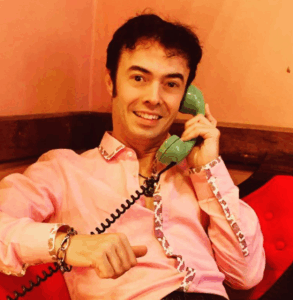
What Did Orkut Büyükkökten Do After Orkut Shut Down?
After Orkut closed, Büyükkökten continued working on social networking projects. One of his most notable efforts was Hello, a platform designed to connect people through shared interests.
Hello was launched in 2016 and focused on helping users discover others with similar passions. Instead of relying only on conventional likes, the platform introduced features intended to encourage more meaningful interactions.
Users could express their interests and connect with communities built around hobbies and personal preferences. The concept reflected Büyükkökten’s continuing belief that social media should help people develop relationships rather than simply compete for attention.
Hello attracted users in several markets, including Brazil but it did not reach the same scale as Orkut. The service eventually shut down in 2020.
Even so, Büyükkökten continued to explore the future of online communities. In interviews, he has criticized aspects of modern social media, particularly systems that prioritize engagement and advertising over the quality of interactions.
His broader goal has remained consistent: to create technology that helps people feel connected, discover shared interests and build genuine relationships.
That philosophy is once again attracting attention as people question the effects of algorithm-driven feeds and the growing presence of automated content online.
Is Orkut Coming Back in 2026?
The question of whether Orkut could return has gained fresh attention in October 2026. Büyükkökten has called on people to visit Orkut.com and register their support for a possible revival of the social network.
According to a report published by TechCrunch on October 9, 2026, the founder encouraged former users and interested internet users to support the idea of bringing Orkut back. His appeal focuses on friendship, community and authentic human connection.
The campaign has revived memories of a platform that millions of people once used to communicate with friends and participate in online communities. It has also opened a wider discussion about what people want from social media today.
Büyükkökten believes that the internet has moved away from some of the qualities that made early social networks special.
Algorithm-driven feeds, engagement-focused business models and AI-generated content have changed how people experience online communication. His vision is to bring back a more human approach to social networking.
That could mean creating spaces where people can build genuine relationships, join meaningful communities and have more control over what they see online.
However, there is an important distinction between a campaign to revive a platform and the actual return of a working service.
As of October 15, 2026, there has been no confirmed launch date for a relaunched Orkut. It also remains unclear whether the original platform will return in its former form or whether a new service will carry its philosophy forward.
The current campaign should therefore be understood as an effort to measure interest and encourage support rather than proof that the original website is already operational again.
For fans, the possibility is exciting. For Büyükkökten, it offers another opportunity to explore an idea that has guided his work for more than two decades.

What Could a New Orkut Look Like?
If Orkut returns in a new form, it will face a very different internet from the one that existed in 2004. Today’s users expect fast mobile applications, reliable privacy settings, effective moderation and tools for sharing different kinds of content.
A new platform would need to meet these expectations while retaining the qualities that made the original memorable. Several principles could shape a modern version of Orkut.
A stronger focus on real people: The platform could prioritize authentic accounts and meaningful interactions rather than rewarding users simply for posting frequently.
Communities built around shared interests: Interest-based groups could once again become an important part of the experience. These communities could help users discover new friends and participate in discussions that matter to them.
Greater user control: Instead of relying entirely on an algorithm to decide what appears in a feed, a new service could offer clearer controls over recommendations and the content users want to see.
More thoughtful use of artificial intelligence: AI could help people discover communities and filter harmful content. However, the challenge would be to use the technology without allowing automated content to overwhelm conversations between real people.
Better privacy and safety: A successful revival would need clear rules for personal information, account security, harassment and harmful content. Nostalgia alone would not be enough to build trust.
These are possible directions rather than confirmed features of a new Orkut product. The founder’s broader message is that technology should help people connect instead of making online life feel increasingly impersonal.
Whether such an approach can succeed in a market dominated by established social networks remains an open question.
Orkut Büyükkökten’s Career and Achievements
Büyükkökten’s career shows how an idea developed in a university environment can grow into a platform with worldwide influence. His first social networking projects at Stanford helped establish his interest in digital communities.
His work at Google then gave him the opportunity to turn that interest into a mainstream service. Orkut became his most recognizable achievement because it connected millions of people and influenced how they used the internet.
Its communities and personal profile features became part of the daily online lives of many people in India and Brazil. His later work on Hello demonstrated that he was still interested in exploring different approaches to social networking, even after his most famous platform disappeared.
Another important part of his career is his continued discussion of the relationship between technology and human well-being.
Rather than treating social media purely as a way to distribute content, he has emphasized its potential to encourage friendship, belonging and positive interactions. His professional journey also illustrates the challenges faced by social networking founders.
Creating a popular service is only one part of the task. Maintaining it requires investment in infrastructure, privacy, moderation, product development and a sustainable business model.
If a new Orkut project eventually launches, it will need to address all these challenges while convincing users that it offers something different from the services they already use.
Important Orkut Platform Statistics
| Statistic | Detail |
|---|---|
| Launch year | 2004 |
| Years in operation | Approximately 10 years |
| Shutdown year | 2014 |
| Reported worldwide user base | More than 300 million, according to Büyükkökten’s official biography |
| Major markets | India and Brazil |
| Main features | Profiles, testimonials, scrapbooks and communities |
| Follow-up social network | Hello |
| Current revival status | Public campaign seeking support; no confirmed relaunch date as of October 15, 2026 |
These figures help explain why Orkut remains an important name in internet history. Its popularity was not limited to one country, and its influence extended beyond the website itself.
It helped shape the expectations people developed for online friendships and interest-based communities.
View this post on Instagram
FAQ’s
1. Who is Orkut Büyükkökten?
Orkut Büyükkökten is a Turkish software engineer and computer scientist best known for creating the social networking platform Orkut. He developed the website while working at Google and it became especially popular in India and Brazil.
2. How old is Orkut Büyükkökten?
Orkut Büyükkökten was born on February 6, 1975. He is 51 years old as of October 2026.
3. What is Orkut Büyükkökten famous for?
He is famous for creating Orkut, an early social networking platform launched in 2004. The website helped users build profiles, connect with friends, join communities and share personal messages.
4. What happened to the original Orkut website?
Google announced the closure of Orkut in June 2014 and shut down the service on September 30, 2014. The company said it wanted to focus its resources on other social products that were growing faster.
5. Why was Orkut so popular in India?
Orkut became popular in India because it made online communication accessible and personal. Users could reconnect with classmates, share photographs, write testimonials and join communities based on their interests.
6. Is Orkut coming back in 2026?
A possible revival is being discussed, and Büyükkökten has invited people to register their support through Orkut.com. However, no confirmed launch date or official relaunch of the original social network has been announced as of October 15, 2026.
Conclusion
Orkut Büyükkökten is an important figure in the history of social networking because he helped introduce millions of people to a more personal form of online communication.
His creation, Orkut, became a defining part of internet culture in India and Brazil, giving users a place to build friendships, share memories and discover communities.
A successful revival would need to combine the warmth and community spirit of the original with modern standards for privacy, security, performance and user experience.
For now, the story of Orkut Büyükkökten is about more than nostalgia.
It is also about a continuing question in the digital age: can social media become a place where people build genuine relationships rather than simply scroll through content?
His attempt to answer that question could make him a significant figure in the next chapter of social networking.
Also Read: Cal Ritchie Bio: What to Know About the Young NHL Star