

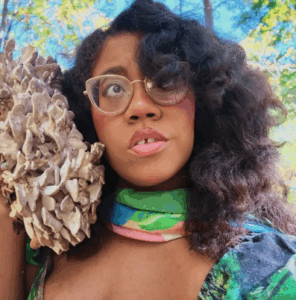
Alexis Nikole Nelson is changing the way people look at the plants growing around them. Better known online as Black Forager, she has become a popular social media personality by teaching people how to identify edible wild plants, discover unusual food sources and understand the history behind traditional food practices
Her videos often begin with an ordinary walk through a park, garden or woodland.
However, what looks like an everyday patch of grass or a common weed can become something much more interesting in her hands.
Nelson explains how certain wild plants can be used in cooking and introduces viewers to ingredients that many people would normally overlook.
She also reminds viewers that identifying wild plants requires serious attention because some edible species have poisonous lookalikes.
As of November 2026, Nelson has attracted more than 10 million followers across social media platforms.
Her growing influence has taken her beyond TikTok and Instagram.
She has won a James Beard Media Award, appeared on television and spoken about food traditions, environmental awareness and the importance of making outdoor spaces more inclusive.
So who is Alexis Nikole Nelson? How did she become the Black Forager? What was her childhood like? And why are so many people interested in her unusual food discoveries?
Here is everything to know about Alexis Nikole Nelson and her journey from a nature-loving child to an award-winning foraging educator.
Also Read: Sahibzada Farhan Bio: Pakistan’s Rising Cricket Star
Table of Contents
Who Is Alexis Nikole Nelson?
Alexis Nikole Nelson is an American forager, educator, food enthusiast and social media personality. She is widely recognized by her online identity, Black Forager.1
She creates content about edible wild plants, mushrooms, food history and sustainable ways of connecting with nature.
Her videos show viewers how to recognize different plants and explain how some of them can be incorporated into meals.
Nelson’s approach is different from that of many traditional food creators. Instead of focusing mainly on supermarket ingredients or restaurant recipes, she explores the natural world around her.
Her content includes unusual discoveries such as wild greens, edible flowers, acorns, mushrooms and different types of seaweed. She also explains why certain plants should never be eaten because they can be dangerous.
Her educational work has helped introduce foraging to a younger and more diverse audience. Nelson is particularly interested in the cultural history of wild food.
She frequently discusses how Black and Indigenous communities have used knowledge of local plants for generations. Her work highlights how traditional food practices became disconnected from many communities because of historical restrictions and unequal access to land.
She is also known for her lively personality. Her videos often include quick jokes, unexpected songs and playful comments.
Her familiar warning, “Happy snacking, don’t die!” has become a recognizable part of her online identity.
According to a November 2026 profile published by The Washington Post, Nelson has attracted more than 10 million followers across social media, including approximately five million on TikTok.
She is now recognized as one of the most influential voices introducing modern audiences to wild food and foraging.
Time for a fitting last twitter post!
Hi! I’m Alexis, and I still mask! I also have health related compulsions that got worse around the beginning of quarantine! I also also realized that my comment about by own behavior on someone else’s post could EASILY be misconstrued!— Alexis Nikole Nelson (@blackforager) October 1, 2026
Education and Academic Background
Nelson’s interests were not limited to plants and food. She also developed a strong interest in creative expression.
She attended Ohio State University, where she pursued two different academic subjects: environmental science and theater.
The combination might seem unusual at first. However, both areas eventually became important parts of her professional career.
Environmental science gave her a stronger understanding of ecosystems, plants and the relationship between people and nature. Theater helped develop her communication and presentation skills.
These skills are especially visible in her social media videos, where she uses humor, expressions and storytelling to hold viewers’ attention. Her performances do not feel like formal lectures.
She presents information in a way that makes people curious about what they might find outside their homes. Her theatrical background also explains why music and playful storytelling appear so frequently in her content.
Instead of simply naming a plant and listing its uses, she often turns the discovery into an entertaining experience. This combination of scientific interest and creative communication has become one of her biggest strengths.
Stats at a Glance
| Category | Details |
|---|---|
| Full Name | Alexis Nikole Nelson |
| Popular Name | Black Forager |
| Profession | Forager, educator and content creator |
| Nationality | American |
| Birthplace | Cincinnati, Ohio, USA |
| Current Base | Columbus, Ohio |
| Known For | Identifying and preparing edible wild plants |
| @blackforager | |
| TikTok | @alexisnikole |
| YouTube | BlackForager |
| Education | Ohio State University |
| Academic Background | Environmental Science and Theater |
| Social Media Career | Began in 2018 |
| Major Award | 2022 James Beard Media Award |
| Book | Happy Snacking, Don’t Die! |
| Main Content | Foraging, food history and wild plant education |
| Followers | More than 10 million across platforms as reported in November 2026 |
How Alexis Nikole Nelson’s Love for Nature Began
Alexis Nikole Nelson’s interest in foraging began when she was very young. She grew up in Cincinnati, Ohio, in a family that appreciated nature, gardening and cooking.2
Her parents played an important role in developing her curiosity about the natural world. Her mother was an enthusiastic gardener who enjoyed growing and identifying plants.
Her father loved cooking and regularly introduced her to different foods and ingredients. These interests came together during Nelson’s childhood.
One of her earliest memories involved spending time in her mother’s garden. When she was around five years old, her mother introduced her to a plant commonly known as onion grass or field garlic.
At first, Nelson did not realize that the ordinary-looking plant could be used as food. Her mother showed her how breaking the grass released a familiar garlic-like smell.
She then explained that the plant could be used in cooking. That discovery fascinated the young Nelson.
She began looking at ordinary plants differently. Instead of seeing weeds as unwanted growth, she started becoming curious about their smells, textures and possible uses.
Her father also contributed to her interest in the outdoors. He regularly took her on hikes through the woods and helped her become comfortable exploring natural environments.
Her childhood experiences were not limited to gardening and hiking. She also attended overnight camps where she participated in outdoor activities such as mountain biking, making candles and learning about local plants.
In a 2025 National Geographic profile, Nelson discussed how these experiences helped shape her relationship with nature.
She also recalled that some of her teenage friends did not understand her enthusiasm for spending summers in the woods. For her, however, exploring nature was simply an enjoyable part of growing up.
Those early experiences eventually became the foundation of her work as Black Forager.
How Did Alexis Nikole Nelson Become Black Forager?
Nelson’s professional journey developed gradually. After graduating from college, she faced financial challenges.
Like many young adults starting their careers, she did not have much money to spend on food. She remembered the plant knowledge she had collected throughout childhood and began using it again.
She also started learning more through books and other experienced foragers. One of the books that helped her explore this subject further was Forage, Harvest, Feast by Marie Viljoen.
As she became more familiar with the plants growing around her neighborhood, she began to notice how much food was available in ordinary urban environments.
She realized that plants she had previously ignored could have interesting culinary uses. This rediscovery also helped her reconnect with something she had enjoyed as a child.
In 2018, Nelson started sharing her foraging experiences through a social media account. She initially wanted a place to post pictures and videos of her discoveries without filling her personal account with plant-related content.
The project eventually developed into Black Forager. She later expanded her presence to TikTok and YouTube.
Her videos began reaching people who had never considered learning about wild plants. Her content became popular because it combined useful information with a personality that viewers enjoyed watching.

Why Her Foraging Videos Became So Popular
There are several reasons why Black Forager became a recognizable name on social media.
1. She Makes Plant Education Entertaining
Many people find botanical information difficult to understand because it can involve complicated scientific names and technical explanations. Nelson makes the subject easier to approach.
She often uses humor, songs and everyday comparisons to explain what she discovers. Her enthusiastic reactions make even unfamiliar plants seem interesting.
She also uses quick editing and short explanations to keep her videos engaging.
2. She Introduces Unusual Food Discoveries
One of the most interesting parts of her content is the variety of plants she discusses. She introduces viewers to edible flowers, wild greens, mushrooms, nuts and other natural ingredients.
Some of these foods are familiar to people who grew up around traditional foraging practices. Others are completely new discoveries for viewers who mainly depend on supermarkets.
Her videos encourage people to look at their surroundings with greater curiosity.
3. She Connects Food With History
Nelson does not treat foraging as just another food trend. She regularly discusses its cultural importance, particularly within Black and Indigenous communities.
Her work explains how people historically relied on wild plants, fishing and other traditional food practices to supplement their diets. She also explores how laws and social conditions affected access to land and contributed to the loss of traditional knowledge.
This historical perspective gives her content a deeper meaning.
4. She Makes Outdoor Spaces More Inclusive
Nelson has spoken about how outdoor recreation and foraging content have not always represented everyone equally. When she started exploring foraging communities online, she struggled to find many creators who looked like her.
She wanted to change that experience. Her decision to use the name Black Forager was intentional.
She wanted viewers to recognize that a Black woman could be knowledgeable about plants, outdoor activities and traditional food practices.
Her presence has helped introduce more people to outdoor education and encouraged conversations about representation.
Also Read: Eagles Star Lane Johnson Bio: NFL Career and Achievements
The Cultural Importance of Foraging
One of the most meaningful parts of Nelson’s work is her interest in the cultural history of food.3
Foraging has existed for thousands of years. Before agriculture became widespread, gathering wild plants and other natural foods was a major way for people to obtain nourishment.
Different communities developed knowledge about the plants that grew in their environments. Nelson frequently discusses the role of Black and Indigenous people in preserving and sharing this knowledge.
During slavery in America, enslaved people often used foraging, fishing and hunting to supplement the limited food provided to them. Knowledge was also exchanged between Black and Indigenous communities.
After emancipation, restrictions on access to land affected the ability of many newly freed Black people to continue these practices. Over time, some traditional knowledge became less common in families and communities.
Nelson believes that understanding this history is important when discussing modern foraging. Her videos are therefore about more than discovering unusual ingredients.
They also provide an opportunity to understand the relationship between food, identity, history and access to nature. Her approach encourages people to appreciate the knowledge that earlier generations developed.
Alexis Nikole Nelson and Her Personal Relationship With Food
Another important part of Nelson’s story is her changing relationship with food. She has spoken openly about experiencing an eating disorder during her early and mid-20s.
In an interview with NPR published in 2021, she explained that she had struggled with food-related pressures while growing up.
Food had once been something she enjoyed thinking about and exploring. However, her relationship with it became difficult during a challenging period of her life.
Rediscovering foraging helped her reconnect with food in a more positive way. She began exploring ingredients and experimenting with cooking again.
The process allowed her to focus on nourishment, creativity and the enjoyment of preparing meals. She has described how returning to foraging brought her a sense of joy and connection to the places around her.
This experience became another reason why her work feels personal. She does not simply teach people which plants can be used in recipes.
She also encourages a healthier sense of curiosity about food and the natural environment.
Her James Beard Award and Professional Recognition
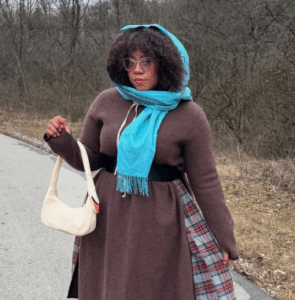
Nelson’s online success eventually brought recognition from the food industry. In 2022, she won a James Beard Media Award for her social media presence.
The James Beard Awards are widely recognized within the American food industry. Receiving this honor was an important milestone for a creator whose work focuses on wild ingredients and traditional food knowledge.
The recognition also demonstrated that food education can reach audiences through platforms beyond traditional television and publishing. Her work has attracted attention from major media organizations and television personalities.
She has appeared in interviews, participated in discussions about the environment and taken television host Jimmy Kimmel on a foraging experience in Los Angeles.
She has also delivered a TED Talk and been featured by National Geographic. These opportunities helped establish her as more than a social media personality.
She is now recognized as an educator and public voice in conversations about wild food, sustainability and cultural heritage.
Happy Snacking, Don’t Die!: Her Book and Growing Influence
Nelson’s growing popularity has also led to opportunities in publishing. Her book Happy Snacking, Don’t Die! brings together her interest in wild food, plant identification and cooking.
The title reflects the playful warning that has become part of her online identity. The book is designed to introduce readers to the possibilities of foraging while helping them understand the importance of careful plant identification.
One interesting aspect of her approach is that she wants the information to be useful to people living in different regions.
A plant that grows in one part of the United States may not be available in another. Therefore, understanding local species and adapting recipes to regional ingredients is important.
In November 2026, The Washington Post reported that Nelson was promoting the book through a national tour. Her growing publishing career demonstrates how her social media platform has developed into a larger educational project.
Why Alexis Nikole Nelson’s Foraging Content Matters
Nelson’s work has become increasingly relevant because many people are interested in sustainable living and environmental awareness. Foraging encourages people to pay attention to the natural world.
It can help them recognize local plants and understand how ecosystems function. It can also create opportunities for people to connect with communities and learn from experienced individuals.
However, responsible foraging is essential. Not every wild plant is edible.
Some poisonous species closely resemble plants that are safe to consume. Certain locations may also have restrictions on collecting plants.
Nelson frequently highlights these risks in her videos. Her warnings are an important part of her educational message.
A plant should never be eaten simply because it looks similar to something shown in a social media video. Proper identification requires reliable references and knowledge from experienced experts.
Beginners should also understand local rules and environmental restrictions before collecting anything. This is particularly important when dealing with mushrooms and plants that have dangerous lookalikes.
Her content is best understood as an introduction to learning about wild food rather than a replacement for expert guidance.
What Is Alexis Nikole Nelson Doing in 2026?
By November 2026, Nelson has become an established personality in food education and environmental content.
Her audience has grown to more than 10 million followers across social media platforms according to The Washington Post’s November 1 profile. She continues to use her platform to discuss edible plants, wild food preparation and the importance of cultural food traditions.
Her recent work has also taken her beyond social media. In September 2026, she participated in a panel at the United Nations during Climate Week in New York.
The discussion involved content creators using their platforms to support environmental awareness. She has also been promoting Happy Snacking, Don’t Die! through a national book tour.
These developments show that her influence now reaches several areas, including publishing, environmental communication and food education.
Her growing popularity reflects a larger interest in understanding where food comes from and how people can develop a closer relationship with nature.
What Makes Black Forager Different From Other Food Creators?
There are many creators who share recipes and cooking tips online. Nelson stands out because her work begins long before the cooking process.
She focuses on discovering ingredients that people may not recognize. Her videos often combine plant identification, environmental education, cultural history and food preparation.
She also brings a distinct personality to the subject. Her sense of humor makes complicated information more approachable.
Her theatrical background adds creativity to her presentation. Her environmental science education provides an academic foundation for her interest in plants.
Most importantly, she does not present foraging as something that belongs to one particular group of people. She wants more communities to feel welcome in outdoor spaces and to understand the knowledge that exists around them.
That message has helped her build an audience that goes beyond people who are already interested in gardening or cooking. For many viewers, her videos are their first introduction to the world of wild food.
View this post on Instagram
FAQ’s
1. Who is Alexis Nikole Nelson?
Alexis Nikole Nelson is an American forager, educator and social media personality. She is widely known as Black Forager and creates content about edible wild plants, food history and cooking.
2. Why is Alexis Nikole Nelson famous?
She became famous through entertaining videos that teach viewers how to identify edible plants and explore unusual food sources. Her humorous presentation and educational approach helped her attract millions of followers.
3. What is Alexis Nikole Nelson’s nickname?
She is popularly known as Black Forager on social media.
4. Where was Alexis Nikole Nelson born?
Nelson grew up in Cincinnati, Ohio, in the United States.
5. How did Alexis Nikole Nelson become interested in foraging?
Her interest began during childhood. Her mother introduced her to edible plants while gardening, and her father encouraged her love of cooking and the outdoors.
6. What did Alexis Nikole Nelson study in college?
She attended Ohio State University and studied environmental science and theater.
7. When did Alexis Nikole Nelson start Black Forager?
She started sharing foraging-related content through her social media presence in 2018.
8. What does Black Forager teach?
Her content focuses on identifying edible wild plants, understanding mushrooms and other natural ingredients, preparing unusual foods and learning about traditional food practices.
9. Has Alexis Nikole Nelson won any major awards?
Yes. She won a James Beard Media Award in 2022 for her social media work.
10. What is Alexis Nikole Nelson’s book called?
Her book is titled Happy Snacking, Don’t Die! It combines foraging education with cooking and practical information about wild foods.
11. How many followers does Black Forager have?
According to a November 2026 Washington Post profile, Nelson has more than 10 million followers across social media platforms, including approximately five million on TikTok.
12. Does Alexis Nikole Nelson discuss Black food history?
Yes. She frequently discusses the historical importance of foraging in Black and Indigenous communities and explains how traditional food knowledge has been passed between generations.
13. Where does Alexis Nikole Nelson live?
Recent media profiles identify Columbus, Ohio, as her home base.
14. Is Alexis Nikole Nelson a trained environmental scientist?
She studied environmental science at Ohio State University. She also has a degree in theater. Her educational background contributes to her environmental interests and creative presentation style.
15. Is foraging safe for beginners?
Foraging can be dangerous if plants are incorrectly identified. Some poisonous species look similar to edible ones. Beginners should learn from qualified local experts, consult reliable botanical references and follow local collecting rules. Social media videos should never be treated as the only basis for deciding whether a plant is safe to eat.
16. Why is Alexis Nikole Nelson called Black Forager?
She chose the name to make her identity visible in an online outdoor community where she did not initially see many creators who looked like her. The name also reflects her interest in making nature and foraging more inclusive.
Conclusion
Alexis Nikole Nelson has turned a childhood interest in plants into a successful career as a forager, educator and social media personality. Known as Black Forager, she has introduced millions of people to edible wild plants and unusual food discoveries.
Her entertaining videos combine environmental knowledge with humor, music and storytelling. Her journey began in Cincinnati, where her mother introduced her to gardening and her father encouraged her interest in cooking and the outdoors.
After studying environmental science and theater at Ohio State University, she rediscovered foraging during a financially difficult period after college. What began as a personal interest eventually developed into a major social media platform.
Her James Beard Media Award in 2022 marked an important milestone. Her work with major media organizations and the publication of Happy Snacking, Don’t Die! have further expanded her influence.
However, her biggest contribution may be the way she connects foraging with cultural history and representation. She reminds audiences that wild food knowledge has been part of many communities for generations.
She also encourages people to look beyond familiar food sources and appreciate the natural world around them. Alexis Nikole Nelson is much more than an internet personality who identifies unusual plants.
She is helping a new generation understand the relationship between food, history and nature. Her message is simple: there is much more to discover in the world around us than most people realize.
And sometimes the most interesting discoveries begin with something growing quietly in the backyard.
Also Read: Celina Jaitly Biography: Her Story Beyond Bollywood