
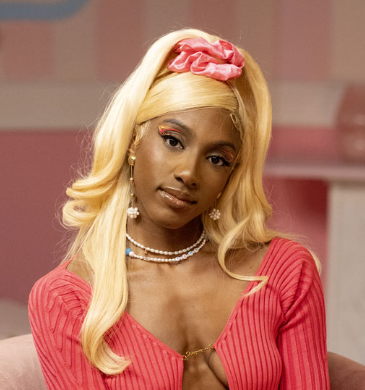
Ziwe is an American comedian, writer, actress and interviewer who has become one of the most recognizable voices in modern satirical comedy
She is widely known for her fearless interviewing style, uncomfortable celebrity questions and humorous conversations about race, privilege, identity and popular culture.
Her comedy often puts famous personalities in unexpected situations and encourages audiences to think about subjects that people usually avoid discussing openly.
Unlike traditional celebrity interviewers who focus on movie promotions, personal achievements and upcoming projects, Ziwe takes a different approach.
Her questions are often deliberately uncomfortable but her comedy also encourages viewers to examine their own assumptions and behaviour.
Today, Ziwe is recognised as a comedian who has developed a distinctive voice in an entertainment industry where many interview formats follow familiar patterns.
Her work demonstrates how comedy can entertain audiences while questioning social expectations.
Also Read: Katie Zacharia Bio: Meet the New White House Press Secretary
Table of Contents
Who Is Ziwe?
Ziwe, whose full name is Ziwe Fumudoh, is an American comedian, television personality, writer and actress.1
She was born on February 27, 1992, according to commonly published biographical profiles and grew up in Lawrence, Massachusetts.
She is the daughter of Nigerian immigrants and has often discussed how her upbringing and experiences influenced her comedy. She professionally uses the name Ziwe rather than her full name.
Her creative identity is built around bold humour, exaggerated confidence and conversations that challenge social expectations.
Ziwe became particularly popular for asking guests questions that many interviewers might avoid. Her approach often involves presenting a seemingly simple question in a way that exposes contradictions or uncomfortable attitudes.
For example, she has asked guests about their understanding of racism, their relationships with different communities and their knowledge of cultural issues. These questions can make interviews unpredictable because guests are not always prepared for the direction of the conversation.
However, Ziwe’s work is not simply about embarrassing celebrities. Her comedy uses awkward situations to highlight larger cultural issues.
She has explained in interviews that she wants audiences to think about their own beliefs rather than simply laugh at the people appearing on her programme.
Her work also explores the relationship between celebrity culture and social responsibility.
By interviewing well-known personalities, she creates opportunities to discuss subjects that are often treated cautiously in mainstream entertainment.
According to a profile published by Northwestern Magazine in September 2020, Ziwe’s Instagram Live programme developed from her earlier YouTube series Baited with Ziwe.
The magazine also highlighted her academic interests and her journey from studying mathematics to becoming a professional writer and comedian.
Her career is an example of how independent online content can help talented performers reach a much wider audience.
Comedian Ziwe Fumudoh’s variety show “Ziwe” has been renewed for a second season on SHOWTIME.
The season will consist of 12 episodes, as reported by Variety. https://t.co/pA5HldvMca
— Pop Base (@PopBase) June 23, 2021
Early Life and Childhood
Ziwe grew up in Lawrence, Massachusetts, in a Nigerian immigrant family. Her childhood experiences played an important role in shaping her personality and creative interests.
Growing up in an immigrant household meant that she was exposed to different cultural expectations. In interviews, she has discussed how her parents initially imagined conventional professional careers for their children.
Professions such as medicine and law were familiar and respected choices. Because of this environment, becoming a professional comedian was not necessarily an obvious career option during her childhood.
Ziwe was also interested in writing and creative expression. She developed a strong sense of humour and enjoyed questioning ideas around her.
Her sarcastic personality sometimes created misunderstandings because people could find it difficult to determine whether she was joking or speaking seriously. Her educational journey also helped shape her perspective.
She attended Phillips Academy in Andover, Massachusetts. During her time there, she became interested in satire and discovered how humour could be used to question social and political ideas.
One important influence was The Colbert Report. The programme demonstrated how a comedian could use an exaggerated character and an ironic presentation to expose contradictions in public discussions.
Ziwe later discussed this experience with the Boston Globe. She explained how learning about satire helped her understand the creative possibilities of comedy.
Her education at Phillips Academy also exposed her to an environment that was different from her childhood community.
The contrast between her upbringing in Lawrence and her experience at an elite school gave her material for thinking about class, privilege and race. These experiences later became important themes in her comedy.
Education and Interest in Writing
After completing her school education, Ziwe attended Northwestern University in Illinois. She initially enrolled as a mathematics major.
However, she eventually discovered that her interests were more closely connected to writing, literature and creative expression.
She developed an interest in African American studies and poetry. These subjects helped her explore cultural identity and the social issues that would later become central to her comedy.
One of her influential teachers was Rachel Jamison Webster, an English professor at Northwestern. Ziwe has credited her teachers with encouraging her to explore writing and develop confidence in her creative abilities.
Her university experience also introduced her to opportunities in the entertainment industry. During her junior year, she applied for an internship at Comedy Central.
The programme gave her an opportunity to learn about television production and comedy writing. She was exposed to established programmes, including The Daily Show and The Colbert Report.
The experience helped her understand how professional comedy was created behind the scenes. She also managed to get a joke featured on The Colbert Report during her internship.
That moment was significant because it showed her that working in entertainment was a realistic career possibility. Ziwe later completed her studies at Northwestern University in 2014.
Her educational background gave her a foundation in writing, performance and cultural commentary. Rather than following a conventional professional path, she decided to explore comedy and entertainment.
Stats Table
| Category | Details |
|---|---|
| Full name | Ziwe Fumudoh |
| Professional name | Ziwe |
| Date of birth | February 27, 1992 (commonly reported) |
| Age | 34 years (as of November 2026) |
| Birthplace | United States |
| Hometown | Lawrence, Massachusetts |
| Nationality | American |
| Ethnic background | Nigerian heritage |
| Profession | Comedian, writer, actress and television host |
| Education | Northwestern University |
| Graduation year | 2014 |
| Known for | Provocative celebrity interviews and satire |
| Popular online series | Baited with Ziwe |
| Television programme | Ziwe |
| Music project | Generation Ziwe |
| Television network | Showtime |
| Main comedy themes | Race, privilege, identity and popular culture |
How Ziwe Started Her Career in Comedy
Ziwe’s professional journey did not begin with a major television contract or a viral celebrity interview. Like many comedians, she spent years developing her writing skills and experimenting with different forms of entertainment.2
After graduating from Northwestern University, she began looking for opportunities in comedy writing and television production.
One of her early professional experiences was working on The Rundown with Robin Thede. The programme gave her an opportunity to develop her skills as a comedy writer and understand how late-night television worked.
She also worked with The Onion, a publication known for its satirical articles and humorous commentary on current affairs.
This experience helped her develop a writing style that combined sharp observations with unconventional humour. Another important career opportunity came when she joined the writing team of Desus & Mero on Showtime.
The programme was known for its conversational style and commentary on entertainment, politics and popular culture.
Working behind the scenes allowed Ziwe to gain experience in writing jokes, developing segments and creating material for television audiences. However, she wanted to build something of her own.
She was interested in creating comedy that reflected her personality and explored subjects that were not always discussed openly in mainstream entertainment. This ambition eventually led to the creation of Baited with Ziwe.
Baited with Ziwe: The Beginning of Her Recognition
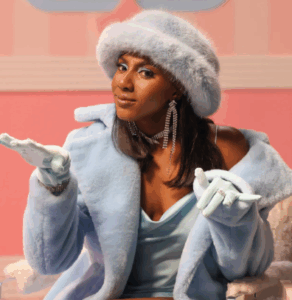
One of the most important projects in Ziwe’s career was Baited with Ziwe, a comedy series that helped introduce her distinctive interviewing style to online audiences.
The series began in 2017 and featured conversations with comedians and other guests. Its central idea was to use uncomfortable questions and humorous situations to examine race, identity and social attitudes.
The word “baited” reflected the show’s approach. Ziwe often presented questions that encouraged guests to reveal their assumptions or respond to sensitive topics without much preparation.
Her questions could sound outrageous but they were usually connected to wider conversations about society.
The programme helped her develop a recognisable comedy format. Instead of relying on traditional jokes or scripted punchlines, she used the reactions of her guests as part of the entertainment.
The awkward pauses, unexpected answers and uncomfortable expressions became important elements of the show.
This approach also allowed Ziwe to explore difficult subjects through comedy. Rather than delivering a conventional lecture about racism or privilege, she created conversations that encouraged audiences to question what they were watching.
Baited with Ziwe became the foundation for her later projects and helped establish her reputation as an unconventional interviewer.
Instagram Live Interviews and Viral Popularity
Although Ziwe had already developed an online audience through her earlier work, 2020 became a turning point in her career.
During the COVID-19 pandemic, many entertainment events and live performances were cancelled. Like other performers, Ziwe had to find alternative ways to connect with audiences.
She began hosting interviews on Instagram Live. These conversations attracted attention because of their direct questions and unusual approach to celebrity interviews.
Her guests included personalities from entertainment, social media and other creative industries. Instead of focusing entirely on their careers, she asked questions about race, privilege and cultural awareness.
Some of the interviews became widely discussed online.
Caroline Calloway Interview
One of Ziwe’s most talked-about interviews involved influencer Caroline Calloway. The conversation attracted attention because of Ziwe’s direct questioning and the awkward exchanges between the two personalities.
Rather than allowing the interview to follow a predictable direction, Ziwe used humour to challenge Calloway’s responses and explore the subject of race.
The conversation became an example of how Ziwe could turn an ordinary online interview into a viral entertainment moment.
Alison Roman Interview
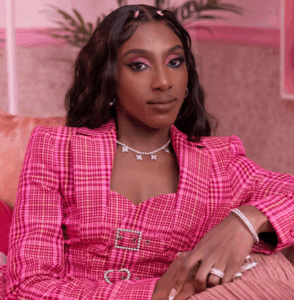
Another memorable conversation involved food writer and cookbook author Alison Roman. Ziwe asked Roman questions about race and cultural representation.
One particularly discussed moment involved asking her to name five Asian people. Roman struggled with the question, and the exchange quickly became a subject of online discussion.
The interview demonstrated Ziwe’s ability to use seemingly simple questions to highlight larger issues about representation and cultural awareness.
Rose McGowan Interview
Ziwe also interviewed actress and activist Rose McGowan. The conversation followed her familiar format of challenging questions and humorous exchanges.
It attracted attention because of the contrast between Ziwe’s playful presentation and the serious subjects being discussed.
These interviews helped Ziwe reach audiences who might not have previously watched her comedy. They also established her as a distinctive personality in digital entertainment.
Her popularity was not based solely on controversy. Many viewers appreciated the way she used humour to create conversations about subjects that can be difficult to approach.
In July 2020, The Guardian published an interview with Ziwe titled ‘People say I hate white people‘: comedian Ziwe on her provocative new show.
The article explored her intentions behind the format and her belief that uncomfortable conversations could encourage people to examine their own attitudes.
Also Read: Jenna Palek Biography: From Creator to Entrepreneur
The Ziwe Showtime Show
Ziwe’s growing popularity eventually brought her to mainstream television.3
In May 2021, she launched her own Showtime variety programme, titled Ziwe. The show expanded the format she had developed through her online interviews.
It combined celebrity conversations, comedy sketches, musical performances and satirical segments. One of its most noticeable features was its colourful visual presentation.
The set used bright pink decorations and an exaggerated aesthetic that made it look different from traditional late-night television studios. Ziwe’s on-screen personality was also central to the programme.
She often presented herself as an exaggerated version of a celebrity interviewer. Her confident delivery and carefully timed expressions created humour even before a guest answered a question.
The interviews continued to explore sensitive subjects. However, the television format gave her more opportunities to experiment with different kinds of comedy.
The programme also featured guests from entertainment, politics, fashion and popular culture. Her interviews were not limited to serious discussions.
They included unusual games, unexpected questions and humorous situations that made the conversations entertaining.
The show’s sketches and musical performances added another dimension to her work. They demonstrated that Ziwe was not only an interviewer but also a performer with interests in writing, singing and visual comedy.
The programme premiered on May 9, 2021. Its arrival marked an important achievement for a comedian who had initially built her audience through independently produced online content.
Ziwe’s Showtime project helped introduce her style to a wider television audience and established her as a creative personality capable of leading her own programme.
What Makes Ziwe’s Interviewing Style Different?
Ziwe’s interviewing style is one of the biggest reasons behind her popularity. Traditional interviews usually follow a familiar structure.
The interviewer introduces the guest, discusses their professional achievements and asks questions about upcoming projects.
Ziwe frequently moves away from this formula. Her conversations are built around questions that can make guests uncomfortable.
She often discusses subjects such as racism, privilege, representation and cultural expectations. However, her approach is more complicated than simply asking controversial questions.
1. Uncomfortable Questions
Ziwe does not always avoid subjects that might create awkward moments. Instead, she uses these moments as an important part of her comedy.
Her questions encourage guests to think carefully about their answers.
2. Deadpan Humour
Another important feature is her deadpan delivery.
She often asks an outrageous question while maintaining a serious facial expression. This contrast creates humour because viewers are left wondering whether she is being completely serious.
3. Satirical Conversations
Her interviews frequently use satire to highlight contradictions in society. She may ask a celebrity about an important social issue before introducing an unexpected humorous comparison.
This makes her interviews unpredictable.
4. Cultural Commentary
Race and identity are recurring subjects in her work.
Ziwe uses comedy to explore how people understand these issues and how their attitudes influence everyday conversations.
5. Audience Participation
Her interviews also encourage viewers to examine their own responses.
Instead of focusing entirely on whether a guest gives the correct answer, she often encourages the audience to consider how they would respond to the same question.
This combination of comedy and social commentary makes her work different from many conventional celebrity interviews.
Ziwe’s Other Creative Work
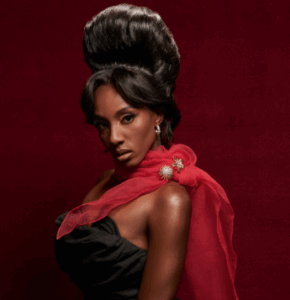
Although Ziwe is best known for interviewing celebrities, her career includes several other creative activities. She has worked as a television writer, actress, comedian and musician.
Her writing experience has played an important role in shaping her comedy. Her background in satire allows her to create jokes that are connected to wider cultural conversations.
She has also explored music through comedic songs and performances. Her album Generation Ziwe was released in 2020.
The project reflected her interest in combining humour with music and performance. She also provided the voice of Kamala Harris on Showtime’s animated political comedy series Our Cartoon President.
These projects demonstrate her versatility as an entertainer. Rather than limiting herself to one format, she has explored several areas of the entertainment industry.
Her career includes online comedy, television writing, interviews, musical performances and acting. This variety has helped her develop an identity beyond her viral internet moments.
Awards, Recognition and Career Achievements
Ziwe’s rise from online comedy creator to television host is one of the most notable parts of her professional journey.
Her career demonstrates how digital platforms can help performers reach audiences without following the traditional entertainment industry route.
Some of her major career achievements include:
-
Creating the online comedy series Baited with Ziwe.
-
Developing a popular Instagram Live interview format in 2020.
-
Working as a writer on Desus & Mero.
-
Working with The Rundown with Robin Thede.
-
Writing for The Onion.
-
Launching her own Showtime programme in 2021.
-
Releasing the comedy music album Generation Ziwe.
-
Voicing Kamala Harris in Our Cartoon President.
Her work has also received attention from established publications such as The New York Times, The Guardian, TIME and the Los Angeles Times.
These features helped introduce her creative approach to readers who were unfamiliar with her online work. Ziwe’s biggest achievement is arguably the development of a recognisable comedy identity.
Her name has become closely associated with interviews that combine humour, social commentary and uncomfortable celebrity conversations.
Ziwe’s Influence on Modern Comedy
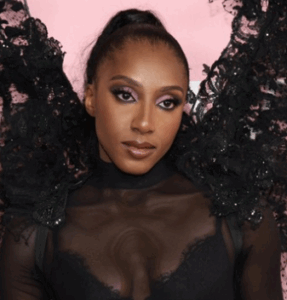
Ziwe has contributed to a different style of celebrity interviewing and comedy.
Social media has changed the way audiences consume entertainment. People no longer depend entirely on television networks or traditional talk shows to discover new comedians.
Online platforms have created opportunities for performers to experiment with formats and build independent audiences.
Ziwe understood this opportunity and used Instagram Live and YouTube to develop a distinctive interview format.
Her success also demonstrates that audiences are interested in conversations that go beyond celebrity promotions.
People enjoy watching famous personalities respond to unexpected questions. These exchanges can reveal how public figures think about cultural issues and how they react when placed outside their comfort zones.
Another important aspect of her influence is the way she uses comedy to approach difficult subjects.
Race and privilege can be challenging topics to discuss. Ziwe makes them more accessible through humour and satire.
Her work does not always provide straightforward answers. Instead, it encourages audiences to think critically about the conversations taking place.
This approach has helped her stand out in a competitive entertainment industry.
Why Is Ziwe Famous?
Ziwe is famous for her provocative celebrity interviews and unconventional comedy style. She became widely recognised through her online series Baited with Ziwe and her Instagram Live interviews in 2020.
Her conversations with personalities such as Caroline Calloway and Alison Roman attracted attention because she asked questions about race and privilege that many traditional interviewers might avoid.
Her Showtime programme further increased her visibility.
Several factors explain her popularity:
-
Unusual interviews: She asks unexpected questions that can create funny and uncomfortable moments.
-
Satirical comedy: Her humour challenges social expectations and cultural attitudes.
-
Social commentary: She discusses race, privilege and identity through entertainment.
-
Strong personality: Her confident presentation and deadpan expressions make her memorable.
-
Online popularity: Her digital content helped her reach a large audience before entering mainstream television.
Her success comes from combining these elements rather than relying on a single viral interview.
View this post on Instagram
FAQ’s
1. Who is Ziwe?
Ziwe is an American comedian, writer, actress and interviewer. She is best known for her provocative celebrity interviews and satirical conversations about race, privilege and popular culture.
2. What is Ziwe’s real name?
Her full name is Ziwe Fumudoh. She professionally uses the name Ziwe.
3. How old is Ziwe?
Ziwe is commonly reported to have been born on February 27, 1992. Based on that date, she is 34 years old in November 2026.
4. Where is Ziwe from?
Ziwe grew up in Lawrence, Massachusetts, in the United States. She comes from a Nigerian immigrant family.
5. What is Ziwe famous for?
She is famous for asking celebrities uncomfortable questions about race, privilege and social issues. Her unusual interviewing style and deadpan humour have helped her attract a large audience.
Conclusion
Ziwe has established herself as a distinctive personality in American comedy and entertainment.
Her background in writing and satire has helped her develop a recognisable creative voice. She has also demonstrated versatility through television writing, acting and music.
She represents a generation of comedians who use online platforms to experiment with new ideas and challenge conventional entertainment formats.
As her creative journey continues, her ability to combine humour with cultural commentary remains an important part of her identity.
Also Read: Celina Jaitly Biography: Her Story Beyond Bollywood