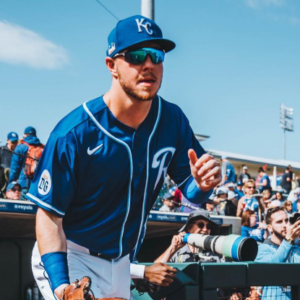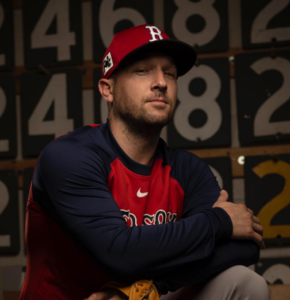

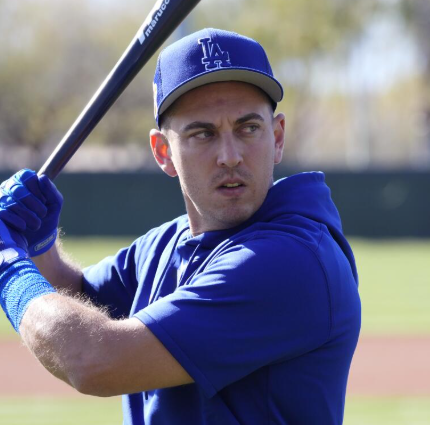
The decision to move on from Austin Barnes was painful, especially for those closest to him like Clayton Kershaw
It signaled not just a changing of the guard, but also the harsh reality of professional sports—no matter how beloved a player is, the needs of the team eventually come first.
Still, Barnes’ impact won’t soon be forgotten. He was more than a catcher; he was a competitor, a leader, and a trusted friend.
And as Dalton Rushing begins to write his own story in Dodger Blue, he’ll do so in the shadow of a veteran who gave everything he had to the organization.
The DFA of Austin Barnes marks the end of a significant chapter in Dodgers history. For Freeman, it was a reminder of how quickly things can change, but also how deeply bonds can form in this game.
As the Dodgers chase more October glory, Barnes’ contributions—and Freeman’s tribute—will remain etched in the hearts of those who witnessed their time together.
In baseball, as in life, some goodbyes matter more than others. This was one of them.
Also Read: Walker Buehler: Who Is He? Baseball Contract Breakdown, Endorsement and More
Table of Contents
Austin Barnes: Changing of the Guard in Los Angeles
It was a moment many Dodgers fans knew was coming, but that didn’t make it any easier.1
On Wednesday, the Los Angeles Dodgers designated veteran catcher Austin Barnes for assignment to make room for top prospect Dalton Rushing.
While the move signals the future direction of the franchise, it also marks the end of an era defined by loyalty, chemistry, and quiet excellence.
Perhaps no one felt the shift more deeply than Clayton Kershaw, the team’s longtime ace and Barnes’ closest friend on the roster.
In baseball, few relationships are as critical as the one between pitcher and catcher. For Kershaw, who is widely regarded as one of the greatest pitchers of his generation, Austin Barnes wasn’t just a battery mate—he was the guy behind the plate.
The stats back this up. Barnes caught Kershaw in 68 games, second only to A.J. Ellis, another long-time partner of the lefty ace. Over the years, Kershaw often praised Barnes for his pitch framing, sequencing, and deep understanding of game flow.
Kershaw Speaks From the Heart
After Barnes was DFA’d, Kershaw didn’t hold back his emotions. Speaking to Jack Harris of the Los Angeles Times, the three-time Cy Young Award winner expressed a deep sense of loss.
“I think everybody was surprised. Yeah,” Kershaw said. “It’s sad. Barnesy’s one of my best friends on or off the field. You won’t find a guy that competes better than Austin Barnes. He wants to win more than anybody, and he always found a way, and he came up with some big moments for us throughout the years.”
It wasn’t just about what Barnes brought to the field. It was about his impact in the clubhouse, the relationships he built, and the leadership he offered during high-pressure moments.
To the casual observer, Austin Barnes’ stat line may not jump off the page. But his real value was never just about batting average or slugging percentage.
It was about his calm presence behind the plate, his ability to guide pitchers through rough innings, and his knack for coming through in the postseason.
Barnes played key roles in multiple playoff runs. He started numerous games during the Dodgers’ World Series campaigns and delivered clutch hits in critical spots.

Austin Barnes: Rushing the Future
The Rise of Dalton Rushing
While Kershaw and others mourn Barnes’ departure, the reality is that Dalton Rushing’s time had arrived.2
A highly touted prospect in the Dodgers’ farm system, Rushing has been tearing up minor league pitching and drawing praise for both his defensive tools and his power bat.
Still just 23 years old, Rushing represents the next generation of Dodgers talent. The team’s front office has been grooming him for this moment, and his recent numbers suggested he was more than ready to take the leap to the major leagues.
In a sport where every roster spot counts, especially on a championship-caliber team like the Dodgers, the move made sense from a strategic standpoint.
The Game That May Have Sealed Barnes’ Fate
Though the writing may have been on the wall, one particular game might have accelerated Barnes’ departure. In a recent contest against the Arizona Diamondbacks, the veteran catcher struggled visibly behind the plate.
The Diamondbacks stole three bases off him, exploiting a weakened throwing arm. One throw short-hopped before second base, and another sailed past the infielder into the outfield.
For a team that prioritizes defensive efficiency, such lapses don’t go unnoticed.
The Dodgers have a deep analytical department, and they surely considered Barnes’ declining arm strength and overall defensive metrics in their decision-making process.
A Clubhouse Stunner
Inside the Dodgers clubhouse, the move left many players stunned. Barnes had been a staple of the team for years, a quiet leader who mentored young players and kept spirits high during the grind of a 162-game season.
His departure wasn’t just a personnel change—it was a cultural shift.
While players like Kershaw are professionals who understand the business side of the sport, there’s no denying the emotional toll that such moves take.
Kershaw, in particular, appeared visibly disappointed, underscoring the emotional weight of Barnes’ exit.
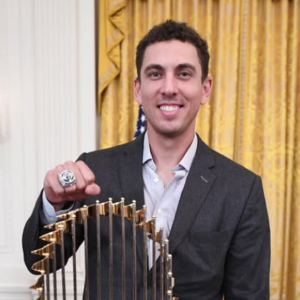
Austin Barnes: No Disrespect to Dalton Rushing
Despite his sorrow, Kershaw made it clear that his disappointment wasn’t directed at Dalton Rushing.3
The young catcher earned his opportunity and has the tools to succeed at the big-league level.
“It’s no disrespect to Dalton,” Kershaw said. “I know he deserves it, and he’s going to be a great player.”
This sentiment speaks to the culture of accountability and mutual respect within the Dodgers organization. Even as the team turns the page, veterans like Kershaw continue to support the next wave of talent.
The Cost of Contending
When a team is in championship contention year after year, difficult decisions become part of the process.
The Dodgers have mastered the art of blending seasoned veterans with rising stars, but sometimes, that means saying goodbye to players who’ve meant a lot to the franchise.
The move to DFA Barnes illustrates just how cutthroat contending can be. The Dodgers weren’t just looking at sentiment or legacy—they were looking at how to field the best possible roster for October.
Rushing offered youth, upside, and potential, while Barnes was showing signs of physical decline.
What’s Next for Austin Barnes?
The immediate future for Austin Barnes remains uncertain. At 34, he’s no longer a spring chicken in baseball terms, but there are surely teams who would welcome a veteran backstop with his playoff pedigree and leadership qualities.
Whether it’s as a backup catcher or a mentor to younger pitchers, Barnes still has value in the right situation.
Teams like the Pittsburgh Pirates, Miami Marlins, or even the Chicago Cubs could see him as a short-term upgrade or clubhouse stabilizer.
Legacy in Blue
No matter where Barnes ends up, his legacy in Los Angeles is secure.
He was part of some of the most successful teams in Dodgers history, played in high-stakes postseason battles, and built a lasting connection with one of the franchise’s most iconic pitchers.
That kind of contribution can’t be measured in WAR or OPS+. It lives in the hearts of teammates, the memories of fans, and the rhythm of a perfect battery.
Also Read: Is Mike Trout a Skilled Baserunner? Baseball Legend Playing Position, Bio/Wiki And More Explained
Austin Barnes: The Unsung Hero Behind the Plate
Austin Barnes, who debuted with the Dodgers in 2015, has carved out a career that might not draw All-Star accolades but certainly commands respect within the clubhouse.
Known for his defensive prowess, game-calling ability, and steady leadership behind the plate, Barnes became a vital part of the Dodgers’ infrastructure during their sustained run of success.
He was more than a backup catcher—he was a security blanket for pitchers and a mentor to younger players.
Barnes caught some of the franchise’s most iconic games, including critical postseason matchups and pivotal World Series moments. He wasn’t the flashiest player on the roster, but his presence was always felt.
World Series Champion and Clubhouse Mainstay
Throughout his Dodgers tenure, Barnes contributed to multiple deep playoff runs and helped capture two World Series titles. His stats won’t tell the full story of his contributions.
His value extended far beyond the box score, encapsulated in moments of poise during October pressure and his deep understanding of the game.
Whether it was guiding Clayton Kershaw through tough innings or sacrificing his body to block a wild pitch in the ninth inning of a postseason nail-biter, Barnes did it all.
For Freddie Freeman, who joined the Dodgers in 2022, Barnes represented everything right about the culture the Dodgers had cultivated.

Austin Barnes: Fan Reaction and the Emotional Fallout
Dodgers fans are no strangers to high-profile roster moves. Still, the DFA of Austin Barnes hit a nerve.
Social media lit up with tributes to the catcher—highlight reels, farewell messages, and stories from fans who met him over the years. Many expressed their gratitude for his grit, humility, and key contributions in October.
Freeman’s remarks seemed to echo the sentiments of the fanbase, helping to bridge the emotional gap between the clubhouse and the crowd in the stands.
Will Barnes Catch On Elsewhere?
While the DFA doesn’t necessarily mean the end of Barnes’ career, it does put his future in limbo.
Catchers with his experience and defensive capabilities are always in demand, particularly among contending teams seeking a stabilizing presence behind the plate.
Teams like the Chicago Cubs, Miami Marlins, or even the Boston Red Sox could potentially see Barnes as a low-risk, high-leadership addition.
Whether he joins another MLB club or chooses to hang up the spikes, Barnes’ legacy with the Dodgers remains intact.
View this post on Instagram
The Legacy Barnes Leaves Behind
Austin Barnes may never receive a plaque in Cooperstown, but he leaves behind something arguably just as valuable: respect. Respect from teammates, coaches, fans, and even opposing players.
His work ethic, humility, and commitment to team success over personal glory define the very essence of what a professional athlete should be.
Freeman summarized it best through his simple yet powerful words—Barnes’ impact was significant.
Looking Ahead for the Dodgers
- With the decision made and Barnes no longer on the active roster, the Dodgers will look to their younger catching talent, such as Diego Cartaya or Hunter Feduccia, to step up.
- There’s also the ever-present Will Smith, one of MLB’s premier catchers. But leadership and chemistry can’t always be replaced with stats or potential.
- Freeman and others in the clubhouse will need to help usher in this new era with the same level of professionalism and care that Barnes once provided.
- What Freddie Freeman reminded everyone—players, executives, and fans alike—is that baseball is a game of moments, of people, and of memories.
- The departure of someone like Austin Barnes isn’t just about performance metrics. It’s about what he meant to the team, to the city, and to the game itself.
- As Freeman continues his own journey with the Dodgers, it’s clear he carries with him a deep respect for those who came before and those who made his path smoother.
- In honoring Barnes publicly, he honored the ideals of brotherhood and sportsmanship.
Also Read: Gerrit Cole (Baseball): Who Is He? Bio, Wiki, Career, Personal Life, Net Worth 2024 and More