

The upcoming F1 Movie represents more than just a film—it symbolizes a powerful collaboration across industries. It’s the result of Hollywood storytelling, F1 realism, and musical genius colliding at top speed
With Zimmer’s emotional compositions, Hamilton’s deep-rooted authenticity, and Kosinski’s dynamic direction, audiences are in for an unforgettable cinematic experience.
June 27 is not just a release date—it’s a new starting line for racing movies, where the bar has been raised higher than ever before.
Whether you’re a lifelong F1 fan or a moviegoer in search of your next thrill, this film promises to deliver on all fronts. Buckle up.
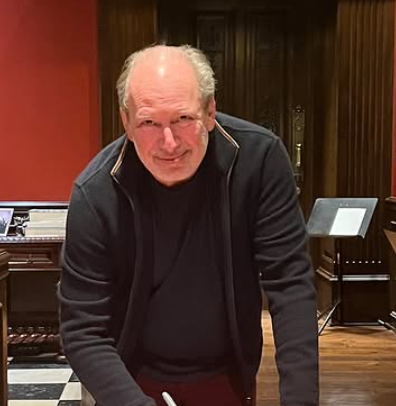
What seemed like a simple studio visit turned out to be a celebration of mutual respect, shared values, and boundless creativity.
Lewis Hamilton’s time with Hans Zimmer was more than a behind-the-scenes look at how movie scores are made—it was a profound experience that reminded both men of the limitless potential of human expression.
In an age where collaboration is often limited to within industries, their meeting serves as a beautiful testament to the power of stepping out of one’s comfort zone and engaging with other forms of excellence.

Also Read: Charles Leclerc (Formula 1 driver): Bio/Wiki, Career, Relationship, Music Album and More
Table of Contents
Lewis Hamilton and Hans Zimmer Steal the Spotlight at F1 Movie Premiere
On June 16, 2025, the heart of New York City transformed into a glamorous hub of speed and cinema as Times Square played host to the world premiere of the highly anticipated F1 Movie.1
Amidst flashing cameras and cheering fans, two titans from vastly different industries—seven-time Formula One World Champion Lewis Hamilton and two-time Oscar-winning composer Hans Zimmer—made grand appearances.
Their involvement not only elevated the movie’s hype but also highlighted the unique blend of racing intensity and cinematic brilliance.
I’m thrilled to share my TikTok #ClassicalMusic playlist! To see it, go here: https://t.co/b1IZQ4ayqi. And, watch until the end for “Time”! pic.twitter.com/MxPFQxd5Ce
— Hans Zimmer (@HansZimmer) November 4, 2022
Behind the Scenes of the F1 Movie: An Overview
Scheduled for a global theatrical release on June 27, the F1 Movie promises an adrenaline-packed, emotionally charged ride through the high-octane world of motorsport.
Directed by Joseph Kosinski, renowned for his work on Top Gun: Maverick, the film stars Brad Pitt, Damson Idris, Kerry Condon, and Javier Bardem.
It tells the story of a veteran driver making a comeback and mentoring a rising star, set against the backdrop of the Formula One universe.
Notably, the movie is co-produced by Lewis Hamilton, bringing a level of authenticity and depth to the portrayal of the sport.
Hamilton’s intimate knowledge of racing, coupled with Kosinski’s visual flair, has already drawn comparisons to Rush and Days of Thunder, but with a more modern and immersive approach.

Hans Zimmer: Scoring the Spirit of Speed
Few names in film music carry the gravitas of Hans Zimmer.2
With iconic scores for Interstellar, Inception, Gladiator, and The Dark Knight trilogy under his belt, Zimmer’s involvement signals that this movie is aiming for more than just box office success—it wants to leave a lasting legacy.
Zimmer walked the red carpet at the premiere, radiating excitement and passion. Speaking to Variety, he recalled how his connection to Formula One began not through film but through conversation.
“Being a European, I probably was more familiar than most Americans because it was always a part of our culture,” he explained. His deeper dive into the F1 world began when he met Lewis Hamilton years ago.
A Friendship that Fuels Creativity
Zimmer elaborated that Hamilton played a vital role in shaping the emotional undertone of the movie’s score. “When this movie came about, I was really starting to talk to Hamilton.
And I think, in a funny sort of way, so much of the inspiration and so much of what I was doing came from my conversations with Lewis.”
He added poignantly, “It was like he was always sitting beside me when I was writing.”
This artistic synergy between the composer and the racing icon paints a compelling picture of how interdisciplinary collaboration can lead to something truly special.
From Racing Tracks to Recording Studios
Hamilton’s role in this movie isn’t limited to that of a producer. His foray into music is well-documented—many fans were surprised when it was revealed that he had featured anonymously as XNDA on Christina Aguilera’s sultry track “Pipe.”
While he’s been coy about a full-blown music career, Hamilton has repeatedly emphasized how music serves as a vital emotional outlet for him.
In Hans Zimmer, Hamilton seems to have found a kindred spirit—someone who not only understands the power of rhythm and sound but also how they connect with human emotion.
Their collaboration is a testament to the idea that storytelling, whether through sound or speed, shares a common emotional language.
The Perfect Racing Duo
The film’s leading men, Brad Pitt and Damson Idris, have also been praised for their performances.
In her early review, Jazz Tangcay, Senior Artisans Editor at Variety, wrote, “The sound, score and cinematography are flawless.
Damson Idris and Brad Pitt are great!” The film employs innovative filming techniques, including real-time racing footage, cockpit cameras, and immersive sound design, thanks in part to Zimmer’s score.
Pitt portrays a fictional F1 veteran driver who returns to mentor Idris’ character, a rising star.
Their dynamic is said to echo real-world mentor-mentee relationships in Formula One, adding a layer of realism that will undoubtedly appeal to both moviegoers and motorsport fans alike.

Hans Zimmer: Capturing F1’s Essence Through Cinematic Excellence
What makes this project stand out is its meticulous attention to detail.3
With Lewis Hamilton’s direct involvement, the film avoids the common Hollywood trap of turning complex sports into oversimplified narratives. Instead, it presents racing as both an art and a science, echoing Hamilton’s own racing philosophy.
Moreover, the score by Hans Zimmer is expected to do more than just underscore key moments—it aims to serve as the emotional heartbeat of the film.
From the roar of engines to the silence of pre-race focus, Zimmer’s compositions are designed to transport audiences directly into the cockpit.
Times Square Red Carpet: A Cultural Moment
The Times Square premiere wasn’t just a promotional event—it felt like a cultural moment.
With Zimmer and Hamilton both in attendance, the crowd was treated to a fusion of high fashion, star power, and genuine camaraderie.
Fans gathered with posters, F1 merchandise, and even custom helmets, celebrating not just the movie, but the larger-than-life personas who helped create it.
This premiere also helped bridge the gap between the U.S. entertainment industry and the global phenomenon of Formula One.
F1 has been steadily gaining traction in America, especially following the success of Netflix’s Drive to Survive. The F1 Movie could serve as a further catalyst in expanding the sport’s fanbase.
What Critics Are Saying So Far
While full reviews are under embargo until closer to the release date, early reactions have been overwhelmingly positive.
The consensus is that the F1 Movie isn’t just for motorsport enthusiasts—it’s a character-driven story that explores perseverance, mentorship, and ambition.
Film insiders believe that Zimmer’s score, in particular, could be a strong contender come awards season. And given his track record, it wouldn’t be surprising to see his name once again on an Oscar shortlist.
Also Read: Frankie Muniz Gets Real with Ford CEO About His Racing Journey
Hans Zimmer Gave Lewis Hamilton a Tour of His Studio
An Unexpected Collaboration of Legends
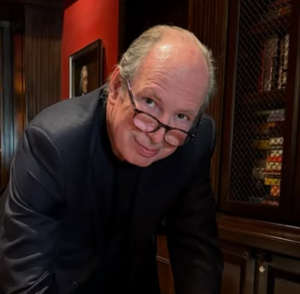
In early 2020, two legends from completely different worlds—Formula 1 champion Lewis Hamilton and iconic film composer Hans Zimmer—shared a quiet moment that later sparked awe among fans.
While their professions rarely intersect, their mutual passion for creativity and excellence formed the backdrop of a meeting that Hamilton later described as “inspiring.”
Posting images on his social media, Hamilton detailed the unforgettable experience of touring Zimmer’s personal studio.
The setting was intimate, intellectual, and immersive—a rare look into the workspace of one of Hollywood’s most celebrated musical minds.
A Studio Like No Other
Hans Zimmer’s studio isn’t just any workspace; it’s a sanctuary for sound and emotion.
Nestled in Santa Monica, California, the studio houses an incredible array of musical instruments, both classic and cutting-edge, and has been the birthplace of some of cinema’s most powerful soundtracks.
Zimmer’s creative den is uniquely atmospheric, filled with deep red tones, subdued lighting, and an eclectic mix of vintage and digital equipment.
From Moog synthesizers and massive mixing boards to rare stringed instruments, the studio is a playground for musical experimentation.
For Hamilton, whose world revolves around the precision of engineering and speed, this artistic chaos was a refreshing change.
Hans Zimmer’s Cinematic Ties to Formula 1
Interestingly, Hans Zimmer’s connection to Formula 1 is not limited to this encounter.
He composed the score for Rush (2013), a biographical sports drama directed by Ron Howard. The film chronicled the fierce rivalry between British driver James Hunt and Austrian champion Niki Lauda during the 1976 Formula 1 season.
Zimmer’s emotionally gripping score for Rush elevated the drama, tension, and thrill of the story, providing a soundscape that resonated with both F1 fans and film lovers.
His understanding of the human psyche under pressure made the music for Rush one of his more underrated yet powerful works.
Bridging the Gap Between Speed and Sound
Hamilton and Zimmer’s meeting was a confluence of two worlds that, at first glance, seem distant. But in essence, both men operate at the pinnacle of performance in their respective crafts.
Speed and sound may be different languages, but both require an intense understanding of timing, rhythm, and emotion.
Just as Zimmer knows when to drop a note for dramatic effect, Hamilton knows when to brake or overtake for maximum impact. Both rely on intuition honed by years of practice, passion, and a relentless drive for perfection.
Hans Zimmer: New Soundtrack
Hans Zimmer released his newly composed soundtrack “Diamond in the Desert” is a sweeping tribute to the city of Dubai, capturing its spirit of innovation, cultural richness, and timeless beauty.
A Moment of Artistic Synergy
Hamilton’s visit wasn’t just a fan stop—it was an exchange of philosophies. He reportedly spent hours talking to Zimmer, learning about his approach to composition, storyboarding sound, and collaborating with directors.
In return, Zimmer gained a deeper understanding of the mental discipline and focus it takes to be a world-class athlete.
This type of artistic synergy is rare but powerful. It opens doors to new perspectives and invites professionals to view their own work through a different lens. For Hamilton, the experience served as a reminder of how art—be it music or motorsport—is ultimately about evoking feeling.
Hamilton’s Broader Interest in Creative Arts
Lewis Hamilton’s venture into Zimmer’s world wasn’t an isolated event. Over the years, he’s connected with many figures in the entertainment and creative industries—from music to fashion.
He’s walked runways, collaborated with designers like Tommy Hilfiger, and worked on music under a pseudonym.
Hamilton believes in pushing boundaries, both on and off the racetrack. For him, creativity isn’t a side hobby—it’s an essential aspect of his identity.
The meeting with Zimmer may have been one afternoon, but it was clearly emblematic of Hamilton’s desire to explore and grow beyond the limits of motorsport.