

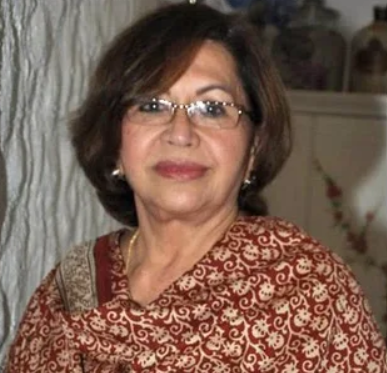
Helen Ann Richardson Khan known mononymously as Helen is one of the most iconic figures in Indian cinema
With a remarkable career spanning over seven decades and more than 500 films, she carved a unique niche for herself as the queen of the cabaret-style dancer in Bollywood.
Born into difficult circumstances and rising to become a beloved film personality, Helen’s journey is inspiring, complex and full of contrasts.
From being a refugee child to becoming a nationwide sensation, she helped redefine how dance, glamour and character roles could work in Hindi film.
In this article, we will trace Helen’s life: her early years, struggle, rise in the film industry, major work and dance legacy, personal life, honors and awards, and finally her enduring influence.
Also Read: Jugal Hansraj Bio, Career, Movies, Filmmaker, Author and More
Table of Contents
Helen Ann Richardson’s Biography
Early Life and Background
Helen Ann Richardson was born on 21 November 1938 in Rangoon (now Yangon), British Burma (now Myanmar). Her father was George Desmier (Anglo-Indian or Anglo-Burmese descent) and her mother was Marlene (Burmese). 1
During the Second World War, with the Japanese invasion of Burma, Helen’s family fled to India. According to Helen’s own recollections, they trekked through wilderness and villages, suffering food shortages and illness.
Eventually they reached Assam (Dibrugarh) and later moved to Kolkata (then Calcutta). Her father died during the war.
As a teenager, Helen’s family faced financial pressure: her schooling was cut short and she entered the workforce to support the family.
These early years set the stage for her survival instinct, adaptability and eventual work ethic in the film industry.
Entry into Hindi Cinema
Helen’s entry into the film industry happened via dance and chorus work. A family friend, the actress-dancer Cuckoo, helped her get roles as a chorus dancer in films such as Shabistan (1951) and Awaara (1951). 2
She gradually transitioned into more visible roles, but it was her performance in the song “Mera Naam Chin Chin Chu” (1958) in the film Howrah Bridge that became her breakthrough.
From then on she became synonymous with cabaret numbers and vamp/dancer roles in Bollywood.
Rise to Prominence: The Cabaret Queen
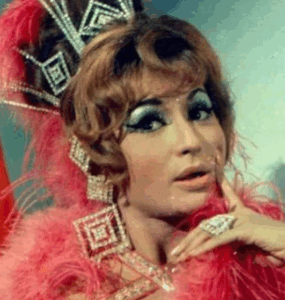
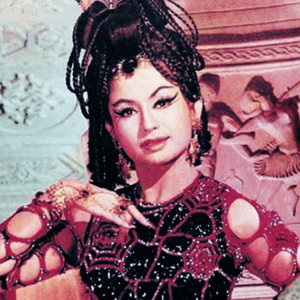
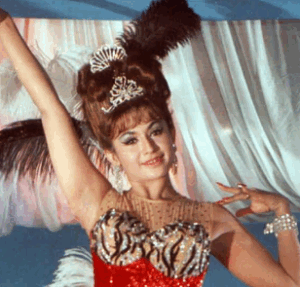
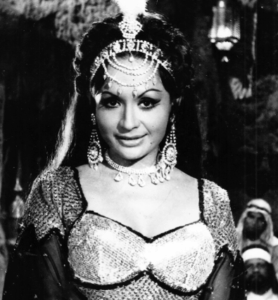
Throughout the 1960s and 1970s, Helen built a reputation as Bollywood’s premier dancer-actress who brought a distinctive western-influenced cabaret style into Hindi cinema.
Her performances featured bold costumes, fluid dance moves, and a screen presence that stood out.
Some of her most iconic numbers include:
-
“Mera Naam Chin Chin Chu” from Howrah Bridge (1958)
-
“O Haseena Zulfon Wali” from Teesri Manzil (1966)
-
“Yeh Mera Dil” from Don (1978)
While many leading ladies of the era played traditional heroine roles, Helen was often cast as the vamp or dancer character, but she brought dignity and energy to those parts, elevating them beyond mere side-roles. 3
Her dance style combined elements of jazz, Latin, ballroom and Indian sensibility making her numbers stand out in the era. Her screen presence made her a memorable part of whatever film she appeared in.
Major Films and Work Highlights
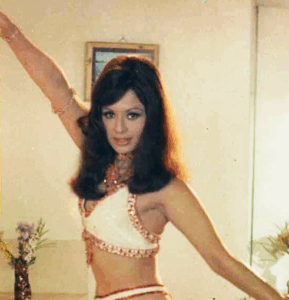
While Helen’s primary niche was as a dancer/character actor rather than the typical lead heroine, her work spans a wide variety of films and genres over decades. Some of the notable mentions:
-
Howrah Bridge (1958) – the breakthrough film.
-
Teesri Manzil (1966) – one of her iconic dance numbers.
-
Don (1978) – dance number and supporting role in a major film.
-
Gumnaam (1965) – nominated for Filmfare Best Supporting Actress.
-
Lahu Ke Do Rang (1979) – she won the Filmfare Award for Best Supporting Actress.
Beyond just the dance numbers, Helen also played supporting roles and character parts in films well into the 1980s and beyond. Her adaptability allowed her to transition from the dancer/vamp persona to more mature roles.
Style, Dance Legacy, and Cultural Impact
Helen’s contribution to Bollywood goes well beyond her film count. Here are key aspects of her legacy:
-
Cabaret & Nautch Dance Popularisation
Helen is often credited with popularising the cabaret/dance number in Hindi cinema, especially with westernised steps and glamorous presentation. -
Distinct Screen Identity
With her exotic looks, striking eyes, bold costumes and fluid moves Helen created a screen identity that was different from the typical heroine of her era. This made her stand out and led to her being in demand for memorable dance-sequences. -
Breaking Role Stereotypes
While the “vamp/dancer” role in Hindi films was often marginalised, Helen elevated it. Her performances added value and left lasting impressions. She showed that even non-heroine parts could become the highlight of a film. -
Influence on Later Generations
Many item-numbers, dance sequences, and the idea of the glamorous cabaret-dancer in Bollywood trace their roots to Helen’s style. Her look, attitude and dance moves inspired many later performers and choreographers. -
Enduring Popularity
Even decades after her peak, Helen remains a reference point in Hindi cinema for dance, glamour and character roles. Her performances continue to be revisited, quoted and celebrated.
Also Read: Preeti Jhangiani Bio, Age, Family, Career, Movies, and Life Story
Personal Life
Helen’s personal life has had interesting turns, reflecting both the challenges and triumphs of her journey.
Marriages and Family
-
Helen first married film-director Prem Narayan Arora in 1957 when she was very young; he was significantly older than her. They divorced in the early 1970s.
-
In 1981, she married screenwriter Salim Khan (of the famous Khan family). At that point Salim Khan was already married and had children (including stars like Salman Khan). Helen thus became the step-mother to Salman Khan, Arbaaz Khan and Sohail Khan.
Adopted Daughter
Helen adopted a daughter, Arpita Khan.
Religion and Identity
Helen is Christian.
Later Life & Fitness
Into her 80s, Helen became inspiration for fitness and longevity. (For e.g., news items report her still active, doing Pilates, and maintaining health).4
Honours, Awards and Recognition
Helen’s work was widely recognised.
Key honours include:
-
Filmfare Award for Best Supporting Actress for Lahu Ke Do Rang (1980).
-
Filmfare Lifetime Achievement Award (1999).
-
Padma Shri (2009) – one of India’s civilian honours.
Her name is also referenced in documentaries and books: the book Helen: The Life and Times of an H-Bomb by Jerry Pinto is one such.
Statistics
| Field | Detail |
|---|---|
| Full Name | Helen Ann Richardson Khan |
| Date of Birth | 21 November 1938 |
| Place of Birth | Rangoon (now Yangon), British Burma |
| Nationality (later) | Indian (naturalised) |
| Known For | Dancer/actress in Hindi cinema, famous for cabaret/nautch songs |
| Number of Films | 500+ films (various sources) |
| Breakthrough Song | “Mera Naam Chin Chin Chu” in Howrah Bridge (1958) |
| Notable Award | Padma Shri (2009) |
| Marital Status | Married to Salim Khan (1981) |
| Step-Children | Salman Khan, Arbaaz Khan, Sohail Khan (and others) |
Challenges and Transitions
Despite her success, Helen faced several challenges:
-
Role limitations: Because of her “exotic” looks and dancer-image, she was often cast in vamp/dancer roles rather than as the traditional heroine. She embraced the niche but it also meant she was typecast.
-
Changing era: As Bollywood entered the 1980s and new actresses and dance styles emerged, Helen’s prominence faded and she gradually reduced her film appearances.
-
Personal life scrutiny: Her second marriage to Salim Khan, who was already married, drew media attention and public commentary. She has spoken about the complexities of that.
Nevertheless, she managed transitions gracefully and carved a lasting place in film history.
Legacy
In her later years, Helen has maintained a low-profile yet dignified presence. She makes appearances, is respected by industry colleagues and remains a sought-after personality for tribute events, dance shows and film retrospectives.
For example, director Madhur Bhandarkar paused his shoot on Heroine set because of Helen’s presence and the crowd’s excitement.
Her legacy continues via younger dancers and item-song performers who reference Helen’s choreography, style and screen presence. Films and media often pay tribute to her, citing her songs and style as benchmarks.
FAQ’s
Q1. When and where was Helen born?
A: Helen was born on 21 November 1938 in Rangoon (now Yangon), British Burma.
Q2. How did Helen get into films?
A: She started as a chorus dancer in Hindi films (early 1950s) with help from actress-dancer Cuckoo, and gradually moved into solo dance roles and supporting actress parts.
Q3. What is Helen best known for?
A: She is best known for her cabaret/dance numbers in Hindi films, her glamorous screen image, and her ability to bring energy and character to roles that were not major lead heroines.
Q4. How many films did Helen act in?
A: Estimates vary, but it is widely cited she appeared in 500 + films over her long career.
Q5. What major awards has Helen won?
A: She won the Filmfare Award for Best Supporting Actress for Lahu Ke Do Rang (1980) and the Padma Shri in 2009. She also received the Filmfare Lifetime Achievement Award.
Conclusion
Helen’s story is one of perseverance, transformation and elegance in adversity. From fleeing war-torn Burma as a child to becoming the queen of cabaret dance in Bollywood, she navigated challenges with grace.
Her screen image was bold yet refined, her performances memorable, and her dance numbers timeless.
Even though she was not always the lead heroine of her era, Helen turned that reality into an advantage. She embraced the space of the dancer-vamp and made it glamorous, important and unforgettable.
Her influence persists even in contemporary Bollywood in how item numbers are choreographed, how female screen presence is created and how the interplay of dance and character works.
For film lovers, students of dance, or anyone tracing the evolution of Bollywood’s musical-dance tradition, Helen remains an essential figure. Her life encompasses migration, personal upheaval, artistic success, and a legacy that lives on.
Also Read: Kim Sharma Bio, Career, Movies, Family, Relationships and More