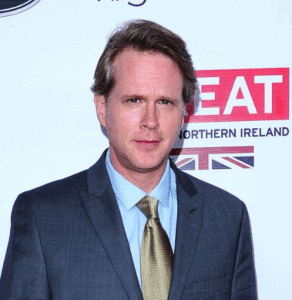

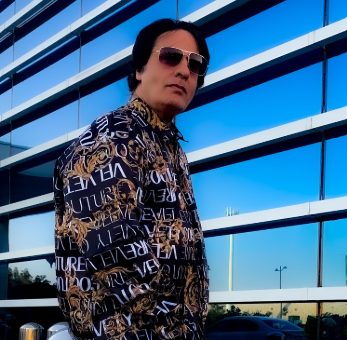
Rahul Roy remains one of the most talked about names from early 1990s Bollywood. He burst into public view with a film that changed pop culture
That film made him an overnight sensation. Over three decades later, his name still brings instant recall. Fans remember his boyish face, the soft voice, and songs that played on every cassette player and radio.
In 1990 a music-driven romance reached millions. The film had simple plot lines and powerful songs. It turned its lead actors into household names. For Rahul Roy this film was a breakthrough. He became a symbol of that decade.
The film’s soundtrack still plays at parties and in playlists that celebrate 1990s Bollywood. Rahul’s rise and later struggles show how fast fame can grow and how fragile a career can be.
His story is not only about success and setback. It is also about resilience. He survived a serious health crisis and kept working in film and television.
He moved into producing and returned to independent cinema. His journey shows the changing face of the Indian film industry and the space actors must find to remain relevant.
This article traces his life from childhood to the present. It covers his biggest hits and low points.
It looks at his health scare and his return to acting. It explains why Rahul Roy matters to Hindi film history.
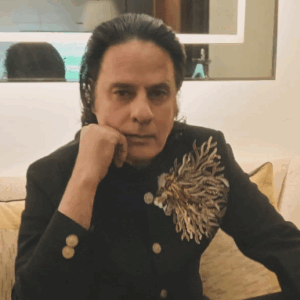
Also Read: Kamal Haasan Bio, Career, Movies, Family and Achievements
Table of Contents
Rahul Roy’s Biography
Early life and background
Rahul Roy was born on 9 February 1966. He grew up in an environment that valued education and discipline. He studied at Lawrence School, Sanawar, one of India’s oldest residential schools.
After school he entered modeling and then films. His early days in the industry were a mix of hope and hard work. The fashion and modeling circuit helped him gain camera confidence.1
That experience prepared him for screen work where looks and posture matter. When the Mahesh Bhatt production Aashiqui arrived, Rahul had the look and presence the role demanded. The film became his gateway to mass recognition.
Aashiqui: The Film That Changed Everything
Aashiqui released in 1990. It was a romantic musical produced by Gulshan Kumar and Mahesh Bhatt. The film featured Rahul Roy opposite Anu Aggarwal.
Music by Nadeem Shravan became the backbone of the film. Tracks like “Nazar Ke Saamne” and “Dheere Dheere Se” climbed charts and stayed there. The soundtrack sold millions of cassettes. In an era before streaming the music reached listeners through radio, television and tape stores. The film’s success made Rahul Roy instantly famous.
The cultural effect was big. The film influenced fashion and music trends. It also shaped the image of romantic leads in early 1990s Bollywood. Producers and directors took note of Rahul’s appeal to young audiences.
Offers poured in. In interviews years later Rahul recalled the whirlwind after the film. He described signing multiple projects in quick succession. Those choices shaped the next phase of his career.
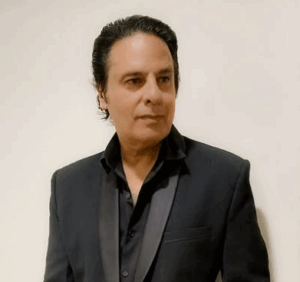
Career after Aashiqui: Highs and Lows
After Aashiqui Rahul Roy acted in a string of films across the 1990s. Some titles found audiences. Others did not.
He worked with well known producers and directors. Films like Junoon and Phir Teri Kahani Yaad Aayee kept him in the public eye. Over time the offers slowed. The reasons were many. Changing audience tastes, stronger competition and typecasting all played a part.
Actors from the same period adapted by shifting to television or character roles. Rahul too explored television. He tried different genres and took part in projects that let him work on his craft away from the glamour.
Despite ups and downs, his early films give him an enduring place in Hindi film history. The strong connection to Aashiqui meant that audiences continued to remember him fondly even when he was not in major releases. That kind of legacy matters. In the film business memory often equals influence.2
Television, reality TV and production
Like many film actors, Rahul moved into television. He appeared in serials and reality shows. In 2006 he joined the first season of Bigg Boss. The show is the Indian version of a well known global reality format.
Rahul won that season. The victory gave him renewed public attention and opened doors to new projects. Over the years he also tried production. His company released films in regional markets. Moving behind the camera let him steer projects he believed in.
Television and reality TV changed how actors connected with fans. Rahul made use of that shift. He used the medium to tell his side of the story and to remain visible to new viewers.
Reality television is a different craft from scripted cinema. It rewards honesty and personality. Rahul’s win on Bigg Boss showed he could connect directly with an audience.
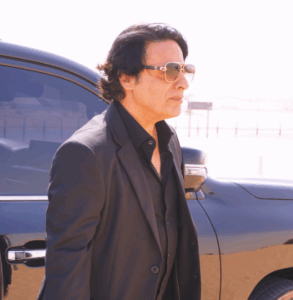
Health Scare: Brain Stroke and Recovery
In late 2020 Rahul Roy suffered a serious health crisis. While on location shooting in Kargil he experienced symptoms that required urgent care.
Reports say he was airlifted and taken to hospitals in Srinagar and then Mumbai. He was admitted to an intensive care unit and underwent scans and treatment.
The medical episode read as a wake up call. Stroke is a life changing event. Recovery requires time, therapy and lifestyle changes.
Rahul shared updates over social media and in interviews. He described the recovery as a long road. He thanked colleagues and fans for support. The medical crisis moved many in the industry to reach out. Senior actors were noted for their help. Recovery allowed him to return to work with added care and caution.
The episode also highlighted how shoots in extreme weather can put strain on the body. Rahul’s experience led to broader conversations on safety and medical facilities for film crews working in remote locations.
Comeback and Festival Circuit: Agra and More
After health recovery Rahul Roy continued to work in films. He chose roles in independent and festival friendly films. One notable project was Agra, directed by Kanu Behl.
The film premiered at Cannes in 2023 in the Directors’ Fortnight segment. Rahul played a pivotal role in the ensemble. Agra attracted critical attention and screened at multiple festivals. Being part of a Cannes selection signaled a shift from mainstream fare to films that seek critical acclaim and festival recognition.
This move is significant. For an actor whose name is linked to a massive commercial hit decades earlier, appearing in festival films shows range and a willingness to take risks.
It also places him in work that reaches international audiences. Festival screenings can reshape an actor’s image.
For Rahul, Agra offered a new chapter and a chance to be seen by critics and filmmakers in a different light.3
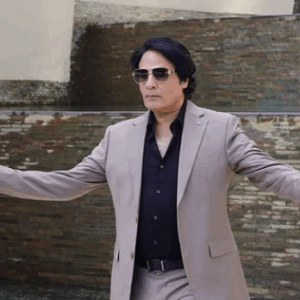
Personal Life and Relationships
Rahul Roy’s personal life has been in public view at times. He married Rajlakshmi Khanvilkar, a fashion model, in a marriage that later ended in divorce.
Public records and news reports from the time cover these developments. Like many public figures Rahul’s private life attracted media attention. He has handled the scrutiny with a low profile approach.
More recently he has spoken about health, work and gratitude toward colleagues who helped during his recovery.
The personal side of his story shows the human cost of fame and the way public lives intersect with private struggle.
Style, Image and Public Perception
Rahul Roy’s early screen image combined softness and intensity. He often played romantic leads with a shy charm.
His vocal delivery and screen presence fit the romantic hero template of the 1990s. Over time his look matured. He moved into roles requiring depth and complexity.
That evolution mattered for a career that spans decades. Actors who adapt can keep finding work. Rahul’s turn to independent cinema shows he continues to evolve as an artist.
Public perception still links him with Aashiqui. That association is not a burden alone. It is also a mark of cultural impact. Many actors from that era are remembered primarily for one iconic film. That single film often defines a career in memory. Rahul’s case is a reminder of how cinema shapes cultural memory.
Also Read: Kamini Kaushal Bio: Journey of Bollywood’s Timeless Leading Lady
Legacy and Lessons
Rahul Roy’s life offers several lessons. First, early success can come fast. Fame and opportunity may surge quickly after a hit. Second, career paths in film are not linear.
They require constant adaptation. Shifts to television, production, and independent cinema are common ways to stay active. Third, health and safety matter. Rahul’s stroke highlighted the risks actors face when shooting in extreme locations and the need for better medical preparedness.
Finally, Rahul’s story shows resilience. He returned to performance after a serious health episode. He accepted roles that challenged him.
For young actors his path offers caution and hope. Fame is valuable but fragile. Diversifying skill sets and choosing projects thoughtfully can sustain a long career.
Quick Stats Table
| Item | Detail |
|---|---|
| Full name | Rahul Roy |
| Date of birth | 9 February 1966. |
| Birthplace | Born in New Delhi / Mumbai area depending on source. Primary public records list New Delhi and Mumbai in different bios. |
| Education | The Lawrence School, Sanawar. |
| Film debut | Aashiqui (1990). |
| Notable films | Aashiqui (1990), Junoon (1992), Phir Teri Kahani Yaad Aayee (1993), Jaanam (1992), Agra (2023). |
| TV / Reality | Bigg Boss season 1 winner (2006). |
| Production | Rahul Roy Productions. Produced regional releases such as Elaan (2011) in some markets. |
| Awards | Festival and niche awards including recognition at international indie festivals. Winner Best Actor at Long Key International Film Awards for Walk (2023) as per industry listings. |
| Health | Suffered a brain stroke in November 2020 while shooting in Kargil. Recovered and returned to work. |
Filmography
-
Aashiqui (1990) — breakthrough commercial and musical hit.
-
Junoon (1992) — notable early 1990s feature credited with strong performance.
-
Phir Teri Kahani Yaad Aayee (1993) — a Mahesh Bhatt production that kept Rahul visible in cinema circuits.
-
Jaanam (1992) — another early role.
-
Agra (2023) — part of an ensemble that premiered at Cannes Directors’ Fortnight.
This list is not exhaustive. Rahul’s full filmography includes more titles across decades and formats. For a full list consult film databases and official listings.
View this post on Instagram
FAQ’s
Q: When was Rahul Roy born?
A: He was born on 9 February 1966 according to multiple public records and film databases.
Q: What made Rahul Roy famous?
A: The 1990 musical romance Aashiqui made him famous. The film’s soundtrack sold millions and the songs became cultural staples.
Q: Did Rahul Roy win any reality show?
A: Yes. He won the first season of Bigg Boss in 2006. This win brought him renewed attention.
Q: Has Rahul Roy acted recently?
A: Yes. He has taken roles in independent films and festival projects. He was part of Agra, which premiered at Cannes in 2023.
Q: Did Rahul Roy have any major health issues?
A: In November 2020 he suffered a brain stroke while shooting in Kargil. He was hospitalized and later discharged after recovery. He spoke publicly about the long road to full recovery.
Q: Is Rahul Roy still active in film or television?
A: Yes. He continues to act and to select projects that reflect his creative priorities. He has also worked as a producer.
Q: What is Rahul Roy doing now?
A: As of the latest reliable reports he is involved in films that have played at festivals and in projects that can reach international audiences. He also engages with fans on social media and speaks about health and safety for artists. For the latest updates consult entertainment news outlets and his verified social profiles.
Also Read: Veronica Vanij Bio: Inspiring Journey, Movies, Personal Life & More