
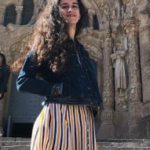

The case of Valentina Gomez has become one of the most debated political and digital influencer controversies of 2026. The US-based social media personality and political activist was barred from entering the United Kingdom after authorities concluded that her presence would not be in the public interest
The decision quickly triggered global debate about freedom of speech, political expression, online influence and government control over extremist messaging.
Supporters of the ban argue that the UK government acted within its legal rights to prevent potential public disorder.
Critics, however, claim that the move raises concerns about censorship and the limits of free expression in democratic societies.
This article explains who Valentina Gomez is, why she was banned from entering the UK, what legal powers were used and why the case has sparked wider discussions about influencer speech and politics.
Also Read: Ruby Franke Biography: Arrest Updates and Current Life Status
Table of Contents
Who is Valentina Gomez?
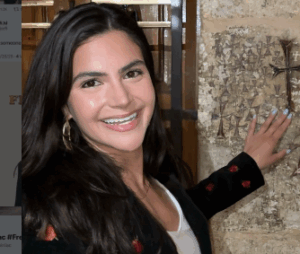
Valentina Gomez is a Colombian-born, US-based political influencer and activist who built her online presence through strongly opinionated commentary on immigration, religion and Western politics. 1
She became widely known on social media platforms where she shares controversial political views and participates in far-right aligned political discourse.
Her content has frequently focused on:
- Immigration policies in Western countries
- Criticism of Islam and religious practices
- Support for nationalist political movements
- Participation in politically charged rallies
Over time, Gomez developed a large online following but also attracted criticism from human rights organizations, political analysts and government observers who accused her of promoting hate-driven narratives.
Her rising influence in political activism eventually placed her under scrutiny in Europe, particularly ahead of planned public speaking appearances.
Why Was Valentina Gomez Banned From Entering the UK?
The UK government barred Valentina Gomez from entering the country after assessing that her presence could be harmful to public order and community harmony.
According to official reports, the decision was based on the principle that her entry would not be “conducive to the public good,” a legal standard used by the Home Office in immigration control cases.
Key reasons behind the ban include:
- Allegations of anti-Islam rhetoric shared online
- Prior involvement in controversial symbolic acts such as Quran burning
- Concerns that her speech could incite public tension
- Planned participation in a politically sensitive rally in London
- Risk of unrest during far-right aligned public events
She was expected to attend and speak at a rally linked to nationalist political activism in the UK. Authorities feared that her presence could escalate tensions between groups and potentially lead to public disorder.
A major factor influencing the decision was her online history, which included highly provocative political statements that had already generated backlash in multiple countries.
-LAST MUSLIM MASS SHOOTER in Austin, Texas- wanted to kill me
-LAST TRANS MASS SHOOTER in Rhode Island- wanted to kill me
📍CONCLUSION: muslims, transgenders, & leftist are a mass shooting waiting to happen.
They want to kill us for having different political opinions.… https://t.co/iA9Tc3UwqY pic.twitter.com/DOu2KMpraK
— Valentina Gomez (@ValentinaForUSA) April 27, 2026
Quick Table
| Category | Details |
|---|---|
| Name | Valentina Gomez |
| Nationality | Colombian-born, US-based |
| Reason for UK Ban | Public safety and non-conducive behavior concerns |
| Legal Basis | UK Home Office “public good” immigration rule |
| Key Issue | Alleged anti-Islam rhetoric and controversial activism |
| Event Link | Planned speaking role at London political rally |
| Government Position | Entry could risk public disorder |
| Public Reaction | Divided between free speech and security arguments |
Legal Basis for the UK Ban
The UK Home Office has broad discretionary powers under immigration law. These powers allow officials to refuse entry to any foreign national if their presence is considered harmful to public interest.2
The key legal principle used in such cases is:
- “Non-conducive to the public good”
This rule allows the government to block individuals who may:
- Encourage hatred or violence
- Threaten national security
- Disrupt public order
- Promote extremist ideology
This same legal standard has been used in other controversial cases involving political activists, religious figures and public commentators.
In Gomez’s case, authorities applied this rule due to concerns about her public statements and the potential impact of her participation in politically sensitive events.
The Political Context Behind the Ban
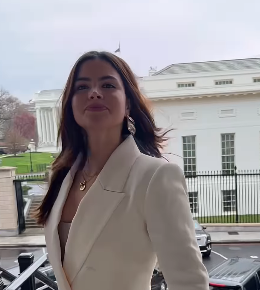
The Valentina Gomez case did not happen in isolation. It is part of a broader political environment in the UK where immigration control and extremist speech regulation have become highly sensitive issues.
The UK government has previously taken action against individuals considered to have:
- Promoted extremist religious ideologies
- Spread hate speech online
- Participated in politically radical movements
In recent years, similar entry bans or visa cancellations have been applied to several controversial figures across the political spectrum.
This reflects a broader policy trend where governments attempt to balance:
- Freedom of expression
- National security
- Social harmony
The Gomez case sits directly at the intersection of these competing priorities.
Controversial Online Activity and Public Reaction
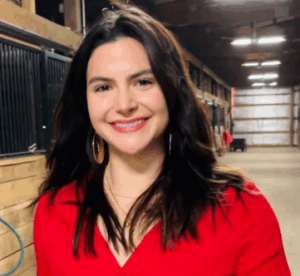
Valentina Gomez has been widely criticized for her online content, which includes strongly anti-Islam commentary and provocative political messaging.
Some of the most debated aspects of her activity include:
- Highly inflammatory political statements on social media
- Public acts seen as religiously offensive by many communities
- Participation in far-right aligned political events
Critics argue that such actions contribute to polarization and may encourage hostility between communities.
However, her supporters claim that:
- She is exercising free speech rights
- Her views are politically motivated, not extremist
- The ban represents censorship of political opinions
This divide has fueled a global debate over where governments should draw the line between free expression and hate speech.
The Planned UK Event That Triggered the Ban
One of the key factors behind the UK government’s decision was Gomez’s planned participation in a major political rally in London.
The event was associated with nationalist political movements and was expected to draw large crowds. Authorities feared that her presence could:
- Intensify already sensitive political tensions
- Attract counter-protests
- Increase the risk of public disorder
Given the UK’s history of managing politically charged demonstrations, the Home Office opted to prevent potential escalation by denying entry.
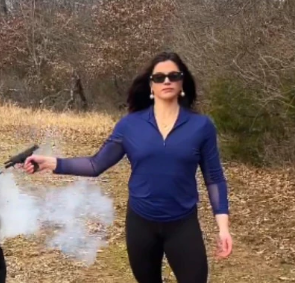
Government’s Official Position
UK authorities defended the decision by stating that immigration control decisions are made on a case-by-case basis.
They emphasized that:
- The UK does not tolerate hate speech or extremist messaging
- Entry permission is not an automatic right for foreign nationals
- Public safety is a top priority in all immigration decisions
Officials also highlighted that similar decisions have been made in the past when individuals were considered likely to disrupt public order.
International Reaction to the Ban
The decision sparked mixed reactions globally.3
Supporters of the ban say:
- Governments have the right to protect public order
- Hate speech should not be amplified through international platforms
- Entry bans are a legitimate security tool
Critics argue:
- The ban restricts freedom of political expression
- It may set a precedent for political censorship
- It blurs the line between opinion and extremism
The controversy quickly spread across social media, with debates intensifying around influencer responsibility and political activism in the digital age.
Also Read: Sara Gonzales Biography: Career and H-1B Controversy Explained
Valentina Gomez and the Free Speech Debate
The most significant outcome of this case is the renewed debate over free speech.
The key questions raised include:
- Should political influencers face travel bans for their opinions?
- Where is the line between free speech and hate speech?
- Can governments restrict entry based on online activity?
Supporters of strict regulation argue that online influence has real-world consequences and can contribute to social division.
Opponents believe that restricting entry based on speech creates a dangerous precedent for political freedom.
Impact on Influencer Culture and Politics
The Valentina Gomez case highlights a growing global issue: the power of influencers in shaping political narratives.
Today, influencers are no longer just content creators. Many have become:
- Political commentators
- Activists
- Public opinion shapers
This shift has led governments to increasingly monitor influencer activity, especially when it crosses into political or ideological territory.
The case demonstrates how digital influence can directly affect international mobility and diplomatic decisions.
Broader Implications of the Case
The Valentina Gomez ban is not just about one individual. It reflects broader global challenges including:
- Regulation of online political speech
- Rise of ideological influencers
- National security vs freedom of expression
- Digital activism crossing borders
Governments worldwide are now increasingly faced with the challenge of responding to online personalities who have real-world political impact.
View this post on Instagram
FAQ’s
1. Who is Valentina Gomez?
She is a US-based political influencer known for controversial commentary on immigration, religion and Western politics.
2. Why was she banned from entering the UK?
She was barred due to concerns that her presence could harm public order and that her views were considered potentially extremist.
3. Is Valentina Gomez banned permanently?
The ban applies to her entry at this time, but such decisions can be reviewed or changed depending on circumstances.
4. What law did the UK use to ban her?
The Home Office used immigration powers allowing exclusion of individuals not considered “conducive to the public good.”
5. Was she invited to the UK for an event?
Yes, she was reportedly scheduled to speak at a politically sensitive rally in London.
6. Is this related to freedom of speech?
The case has sparked debate about free speech but the government maintains it is about public safety, not opinion suppression.
7. Has the UK banned similar figures before?
Yes, the UK has previously denied entry to various individuals considered to promote extremist or hate-driven messaging.
Conclusion
The Valentina Gomez UK ban highlights a growing global tension between freedom of expression and public safety. While supporters see the decision as a necessary step to prevent potential unrest, critics view it as an example of increasing restrictions on political speech.
In an era where influencers can shape political opinions across borders instantly, governments are increasingly forced to make difficult decisions about who is allowed to enter their countries.
The debate surrounding Gomez is unlikely to end soon. Instead, it reflects a broader and ongoing struggle over how democracies should respond to controversial speech in the digital age.
Also Read: FouseyTube Bio: Rise, Fall and the Ongoing Cycle of Comebacks