In today’s fast moving digital world, news spreads in seconds. Social media platforms like X (formerly Twitter), Instagram and TikTok have become major sources of real time information
But this speed comes with risks. When information is shared before it is verified, it can lead to confusion, panic and widespread backlash.
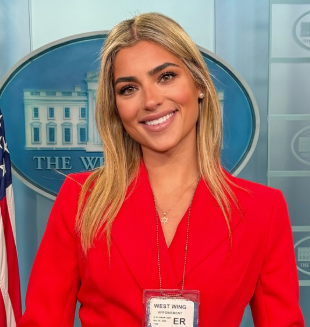
One recent incident sparked widespread debate involves Debra Lea, a young political influencer who went viral after posting an unverified claim during a shooting scare in Washington, D.C. What began as a quick update soon turned into a major controversy, drawing criticism from journalists, social media users and media experts.
So, who is Debra Lea? What exactly did she post? And why did it trigger such intense backlash?
This article breaks down everything you need to know about the controversy, including a detailed timeline, public reaction, expert insights and what it says about the future of digital media.
Also Read: Joel Webbon Biography: Controversy, Backlash and Trolling Wave
Table of Contents
Who Is Debra Lea?
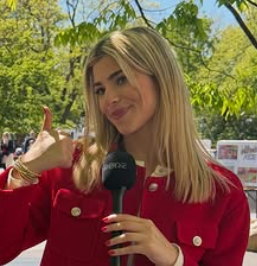
Debra Lea is a conservative political influencer and commentator who has built a growing audience online.1
She is known for sharing political opinions, commentary on current events and behind-the-scenes glimpses into political circles.
Her rising popularity reflects a broader trend where influencers are becoming part of political conversations traditionally dominated by journalists.
However, this increasing influence also comes with responsibility something that became central to the backlash she faced.
Instead of sharing the horrific, vile, & heart-stopping video of Charlie Kirk being shot, I urge you to share images of his beautiful family whose worst nightmare has come true.
Every kid deserves a dad.
Every wife deserves a husband.
Every American needs Charlie Kirk. pic.twitter.com/reD9HsD6qn— Debra Lea (@thedebralea) September 10, 2025
Stats Table
| Category | Details |
|---|---|
| Profession | Influencer and political commentator |
| Platform presence | Instagram, X (Twitter), digital media |
| Followers | Over 180,000 on Instagram |
| Known for | Political commentary and influencer coverage |
| Age | Mid-20s |
What Happened? The Viral Tweet Explained
The controversy began during a chaotic and developing situation near the White House Correspondents’ Dinner in Washington, D.C., where reports of a possible shooting caused panic.
During the confusion, Debra Lea posted a tweet claiming:
- A shooter was involved
- The shooter had been killed
- She thanked the Secret Service
- She included a selfie in the post
This information, however, turned out to be inaccurate.
According to reporting, Lea had relied on early live coverage from major news outlets, which themselves were sharing unverified information at the time.
The situation was still unfolding and official confirmation had not yet been provided.
Despite this, the tweet quickly went viral and so did the criticism.
Why Did the Tweet Go Viral?
Several factors contributed to the tweet spreading rapidly:
1. Breaking News Situation
People were actively searching for updates during a potential emergency.
2. Emotional Context
A shooting scare naturally creates fear and urgency.
3. Strong Language
Declaring that the shooter was “dead” gave a sense of finality.
4. Visual Element
The inclusion of a selfie made the post stand out.
5. Influencer Reach
With a large follower base, Lea’s tweet quickly reached thousands.
In fast-moving situations like this, even a single unverified post can influence public perception.
The Backlash: Why People Criticized Debra Lea
The reaction to Debra Lea’s tweet was immediate and intense.2
Here are the main reasons behind the backlash:
1. Spreading Unverified Information
The biggest criticism was that she shared information without proper verification.
Even though major networks had initially reported similar claims, critics argued that influencers should not repeat unconfirmed news.
Experts often emphasize that early reports during crises are frequently wrong and sharing them can worsen confusion.
2. Tone of the Post
Another major issue was the tone.
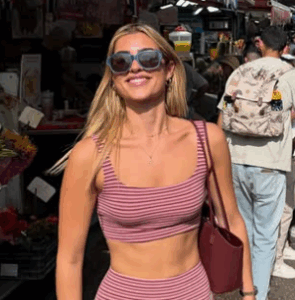
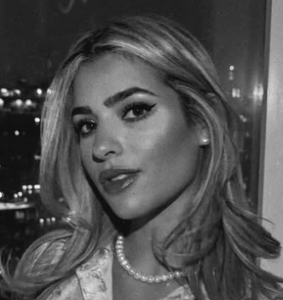
Lea included a selfie where she appeared casual and posed, which many felt was inappropriate given the seriousness of the situation.
Critics argued that:
- A crisis situation requires sensitivity
- The tone appeared attention-seeking
- It undermined the seriousness of the event
This combination of breaking news and a casual selfie became a focal point of criticism.
3. The Influence Factor
Unlike an average user, Debra Lea has a significant audience.
This raised concerns about:
- The responsibility of influencers
- The impact of misinformation on large audiences
- The blurred line between journalism and content creation
As influencers gain credibility, audiences may treat their posts as reliable information even when they are not.
4. Refusal to Apologize
Another factor that intensified the backlash was Lea’s response.
She defended her actions, stating that:
- She relied on available information
- The situation was rapidly changing
- She did not intend harm
However, she refused to issue a formal apology.
This decision divided public opinion:
- Some supported her stance
- Others felt accountability was necessary
5. Larger Debate About “Influencer Journalism”
The controversy sparked a broader discussion:
Should influencers act like journalists?
Many critics argued:
- Influencers lack formal training in reporting
- They prioritize speed and engagement
- They may not follow verification standards
Others countered that:
- Even traditional media made mistakes in the same situation
- Influencers are part of modern information sharing
- Mistakes happen in breaking news
Timeline of Events
Here is a simplified timeline of the incident:
| Time | Event |
|---|---|
| Initial reports | Shooting scare emerges near Washington event |
| Early coverage | Media outlets share unverified updates |
| Debra Lea’s tweet | Claims shooter is dead |
| Viral spread | Post gains attention rapidly |
| Correction phase | Information found to be inaccurate |
| Public reaction | Backlash begins online |
| Lea’s response | Defends actions, deletes tweet |
| Ongoing debate | Discussion about misinformation and influencers |
The Role of Media and Misinformation
It is important to note that Debra Lea was not the only one who shared incorrect information.
According to reports:
- Other influencers also repeated early claims
- Some journalists and networks initially shared incomplete details
- Information changed rapidly as facts were confirmed
This highlights a key issue:
Breaking news is often messy and uncertain.
However, the expectation differs depending on who is sharing the information.
Why Influencers Face More Scrutiny
Even though traditional media also made errors, influencers like Debra Lea often face harsher criticism.
Here’s why:
1. Perceived Lack of Accountability
Journalists are expected to follow editorial standards.
2. Personal Branding
Influencers mix news with personal content, making tone more noticeable.
3. Speed Over Accuracy
Influencers often prioritize being first rather than being correct.
4. Trust Issues
Audiences may question whether influencers verify information properly.
The Psychology Behind Viral Misinformation
Misinformation spreads quickly because of human behavior.3
Research shows:
- People share emotional content more frequently
- Urgent news triggers quick reactions
- Users often trust posts from familiar figures
Studies on misinformation also highlight that ordinary users play a major role in spreading false information online.
This means that the problem is not limited to influencers, it is a broader social issue.
Also Read: Who Is Alex Stein? Full Bio, Viral Moments and Latest Controversy
Real-World Impact of Misinformation During Crises
Sharing unverified news during emergencies can have serious consequences:
- Creates panic
- Misleads the public
- Distracts from official updates
- Harms innocent individuals
- Damages credibility
Similar incidents in the past have shown how quickly false information can spiral out of control.
Public Reaction: Divided Opinions to Debra Lea
The internet was split in its response to Debra Lea.
Critics Said:
- She acted irresponsibly
- She prioritized attention over accuracy
- She should have apologized
Supporters Said:
- She relied on mainstream media
- The situation was chaotic
- Others made the same mistake
This divide reflects a broader issue: people have different expectations for influencers versus journalists.
Lessons From the Controversy
The Debra Lea controversy offers several important lessons:
1. Verify Before Sharing
Even in urgent situations, accuracy matters more than speed.
2. Tone Matters
How information is presented can affect public reaction.
3. Influence Comes With Responsibility
Large audiences mean greater impact.
4. Breaking News Is Unstable
Early reports are often incomplete or wrong.
5. Accountability Builds Trust
Owning mistakes can help maintain credibility.
How Influencers Can Avoid Similar Backlash
To prevent similar situations, influencers should:
- Wait for official confirmation
- Avoid definitive claims in uncertain situations
- Use disclaimers like “unconfirmed reports”
- Prioritize clarity over speed
- Separate personal content from serious updates
The Future of News and Influencers
This incident reflects a bigger shift in how news is shared.
Traditional media is no longer the only source of information.
Now:
- Influencers act as news distributors
- Social media shapes public perception
- Real-time updates dominate
However, this also means:
The line between information and misinformation is thinner than ever.
View this post on Instagram
FAQ’s
1. Who is Debra Lea?
Debra Lea is a political influencer known for sharing commentary and updates on current events through social media.
2. Why is Debra Lea trending?
She went viral after posting incorrect information during a shooting scare, leading to widespread backlash.
3. What did Debra Lea tweet?
She claimed that a suspected shooter had been killed, which was later found to be inaccurate.
4. Did she apologize?
No, she defended her actions and did not issue a formal apology.
5. Was she the only one who shared misinformation?
No, other influencers and even some media outlets initially shared incorrect or incomplete information.
6. Why was her selfie criticized?
Many people felt it was inappropriate to include a posed photo during a serious situation.
7. What lesson does this controversy teach?
It highlights the importance of verifying information before sharing it, especially during emergencies.
8. Are influencers considered journalists?
Not officially, but their influence means they often play a similar role in spreading news.