
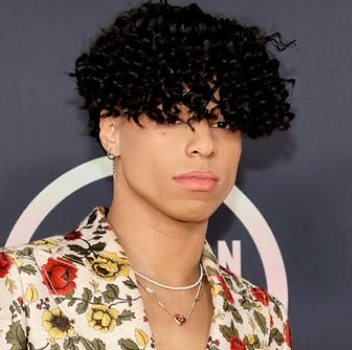
The internet moves fast. One month a creator dominates TikTok clips and YouTube recommendations. A few months later people start asking where they went. That is exactly what happened with Larray
After years of nonstop uploads, creator collaborations, viral diss track and Hype House chaos, the popular internet personality became noticeably quieter online. Now fans are suddenly talking about him again.
Across TikTok, YouTube Shorts, X and nostalgic commentary channels, people are revisiting old Larray moments.
Fans are sharing clips from the peak creator-house era, reacting to comeback-style appearances and discussing new online drama connected to influencer circles.
Many viewers who grew up during the late 2010s YouTube boom are also rediscovering creators they once watched daily.
Creator-house nostalgia is back. YouTube long-form content is becoming popular again. Fans miss chaotic comedy videos that felt less polished and more personal.
Larray’s occasional reappearances online are also making people wonder whether a bigger comeback could happen soon.
This article explains who Larray is, why he became famous, why he stepped back from constant online visibility and why the internet suddenly cannot stop talking about him again.
Also Read: Priya Patel Bio: Viral Fame, Controversy and Global Reactions
Table of Contents
Who Is Larray?
Larray is an American YouTuber, comedian, influencer and internet personality whose real name is Larri Merritt.1
He first gained attention during the Vine era before successfully transitioning to YouTube and TikTok after Vine shut down.
Over time he became one of the most recognizable comedy creators among Gen Z audiences.
He built his reputation through loud comedic edits, sarcastic humor, reaction videos, roasting content and collaborations with other influencers.
His personality stood out because he mixed chaotic internet humor with real emotional reactions and strong opinions.
Unlike many creators who tried to look perfect online, Larray often leaned into awkwardness and internet messiness.
By the late 2010s and early 2020s he had become deeply connected to influencer culture on YouTube and TikTok.
He collaborated with creators like Charli D’Amelio, James Charles, Addison Rae, Nikita Dragun and members of The Hype House.
His popularity exploded even more after releasing parody music videos and diss tracks such as “First Place” and “Canceled.”
Those videos spread rapidly across YouTube and social media because they mixed internet drama with comedy in a way that audiences found entertaining.
For many younger internet users, Larray represented the peak “chaotic YouTube friend group” era.
I saw a video of an dog owner playing dead and his dog tried to save him
so I tried it pic.twitter.com/6pTSGzAznh
— larri (@larray) January 28, 2018
Quick Facts
| Category | Details |
|---|---|
| Real Name | Larri Merritt |
| Online Name | Larray |
| Birth Date | July 22, 1998 |
| Birthplace | Compton, California |
| Profession | YouTuber, Influencer, Comedian |
| Famous For | Comedy videos, diss tracks, creator collaborations |
| Main Platforms | YouTube, TikTok, Instagram |
| YouTube Subscribers | Around 10 million+ |
| TikTok Followers | Around 27 million+ |
| Former Group | The Hype House |
| Content Style | Comedy, reactions, internet culture commentary |
How Larray Became Famous
Larray’s rise to fame happened in stages. Unlike creators who suddenly blew up overnight, he slowly adapted through different internet eras.2
Early Vine Popularity
Before TikTok existed, short-form comedy content mostly lived on Vine. Larray gained early attention there because of his facial expressions, quick punchlines and relatable humor.
Many creators disappeared after Vine shut down but Larray managed to transition successfully.
That transition was important because it showed he could adapt instead of depending on one platform.
Moving to YouTube
After Vine ended, Larray focused heavily on YouTube. This became the platform that truly made him a star.
His YouTube content included:
- Storytime videos
- Reaction videos
- Friend group challenges
- Internet drama commentary
- Comedy edits
- Roast-style humor
- Creator collaborations
Fans enjoyed the energy of his uploads because they felt spontaneous rather than heavily scripted.
During the late 2010s, this type of content defined YouTube culture for many teenagers.
His comedic editing style also influenced younger creators who later copied similar pacing and meme-heavy reactions.
Viral Diss Tracks and Meme Culture
One major reason Larray became unforgettable online was his parody music content.
Songs like “First Place” and “Canceled” became internet memes.
Even people who did not regularly watch his channel still recognized clips from those videos.
At the time creator diss tracks were becoming extremely popular online.
Larray understood how to parody that trend without taking himself too seriously. That balance helped him stand out.
The Hype House Era
Larray’s connection to The Hype House pushed his visibility even further. The Hype House represented a major shift in internet culture.
Instead of solo creators dominating social media, viewers became obsessed with influencer friend groups living together and filming content daily.
Fans loved:
- Group drama
- Friendships
- Collaborations
- Relationship rumors
- Behind-the-scenes chaos
Larray’s humor fit perfectly into that environment because he was naturally expressive and entertaining during group interactions.
Many fans today still associate him with the golden era of influencer-house content.

Why Did Larray Become Quieter Online?
One of the biggest reasons people are discussing Larray again is because audiences noticed his reduced online presence over time.
Compared to his peak years, he stopped appearing constantly across YouTube and social media. There are several reasons why this likely happened.
Creator Burnout Became a Huge Problem
The influencer industry changed dramatically after 2020.
Creators who built their careers on constant uploads started talking openly about burnout.
Audiences expected nonstop entertainment every day. Algorithms rewarded frequent posting.
Many influencers struggled mentally under that pressure. Larray’s content style especially required high energy.
His videos depended heavily on personality, humor, reactions and editing intensity. Maintaining that pace for years becomes exhausting.
Many viewers now understand that creators from that era were likely under enormous pressure to stay relevant.
The Internet Changed
The type of content that once dominated YouTube slowly changed.
Long chaotic vlog-style uploads became less central as:
- TikTok grew larger
- Shorts became dominant
- Streaming increased
- Podcasts became popular
- Highly edited content shifted styles
Many early YouTube personalities either adapted slowly or reduced output.
Larray’s quieter period happened during a larger shift across the creator economy.
Public Drama Became Exhausting
Another major factor is influencer drama fatigue.
During the peak creator-house years, online audiences constantly followed:
- Friendship breakups
- Relationship scandals
- Exposed videos
- Callout posts
- Party controversies
- Collaboration drama
Larray was connected to many creators who regularly appeared in online controversies. Even when he was not directly responsible, he was still associated with that ecosystem.
Over time audiences became tired of nonstop influencer conflict. Creators likely became tired too.
Fans Started Growing Up
Many of Larray’s biggest fans were teenagers during the late 2010s. Now those viewers are older.
Their relationship with YouTube nostalgia has changed. Instead of consuming drama daily, they look back on that period as a memorable internet era.
This is important because nostalgia is one of the biggest reasons Larray is trending again today.
People are revisiting creators who shaped their teenage years.
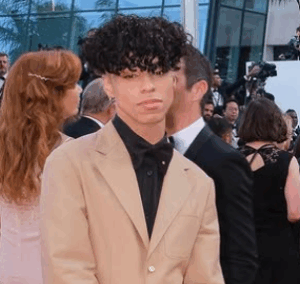
Why Is Larray Trending Again Now?
The current wave of attention comes from multiple internet trends colliding at once.
Nostalgia for Old YouTube Is Massive Right Now
Many internet users are tired of overly polished influencer branding.
Older YouTube content often felt:
- More chaotic
- More personal
- Less corporate
- Less filtered
- More experimental
Fans increasingly miss the unpredictable energy of older creator videos.
Across TikTok and YouTube Shorts, users are reposting:
- Old collab clips
- Hype House compilations
- Funny arguments
- Classic reaction moments
- Creator friendship edits
Larray appears in many of these viral nostalgia edits because he was such a recognizable personality from that time.
Creator-House Drama Is Returning
Influencer-house culture never completely disappeared, but newer drama cycles have reminded viewers of the original creator-house era.
Whenever new influencer conflicts happen, audiences often compare them to older internet personalities.
That naturally brings creators like Larray back into conversations.
People start asking:
- “Remember when YouTube used to feel like this?”
- “Old creator drama was more entertaining.”
- “I miss chaotic YouTubers.”
Larray’s name benefits from that comparison because he represented a defining personality from that period.
Comeback-Style Appearances Sparked Curiosity
Another reason for the renewed attention is that Larray has appeared online more often recently through collaborations, social posts and creator interactions.
Even small appearances can create huge reactions when audiences already feel nostalgic.
Fans immediately start posting:
- Reaction edits
- Throwback clips
- Comparison videos
- “He’s back” comments
That creates algorithm momentum.
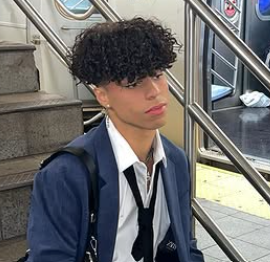
YouTube Long-Form Content Is Growing Again
Many viewers are becoming tired of endless short-form scrolling.
Recent discussions about YouTube’s renewed importance in creator culture show that audiences are returning to longer videos and personality-driven content.
That shift helps older YouTubers regain relevance because their original content styles work better in long-form formats than in quick viral clips.
Larray’s humor style fits this trend well.
Fans Miss Personality-Driven Creators
Modern influencer culture often feels highly managed and brand-focused. Older YouTube stars felt more like messy internet friends.
Whether that perception is fully true or not, fans emotionally connect with it.
Larray’s content often felt unfiltered, loud and emotionally reactive in a way that many audiences now see as authentic.
That authenticity is becoming valuable again online.
The Emotional Connection to Old Internet Culture
A major reason nostalgia content succeeds is emotional memory.
For many Gen Z viewers:
- Watching Larray meant after-school entertainment
- Hype House videos represented pandemic-era internet culture
- YouTube collaborations felt like shared online events
People are not only revisiting creators. They are revisiting memories connected to those creators.
That emotional factor matters more than algorithms alone.
Larray’s Influence on Internet Humor
Even during quieter periods, Larray’s influence never fully disappeared.3
His editing style, reaction pacing, exaggerated expressions and sarcastic humor still appear across newer creators’ content today.
Several trends common on TikTok and YouTube today reflect styles popularized during the era when creators like Larray dominated online entertainment.
That includes:
- Fast meme edits
- Loud reaction humor
- Friendship-group chaos
- Self-aware internet jokes
- Fake dramatic arguments used for comedy
Many viewers now recognize how influential those older creators actually were.
Also Read: Klaudia Zakrzewska Bio: Age, Career and London Crash Details
Could Larray Make a Full Comeback?
Many fans believe he could. Internet culture loves comeback narratives.
Audiences especially enjoy seeing older creators return after quieter periods.
Several factors work in Larray’s favor:
Strong Existing Fanbase
Even after reduced visibility, millions of followers still recognize him immediately.
That matters because creators today often struggle more to build loyal communities than to go viral once.
Nostalgia Is Powerful
The internet currently rewards nostalgia-driven content heavily.
Old creator compilations, reunion videos, reaction podcasts and retrospective commentary all perform well online.
Larray fits naturally into that environment.
Personality Still Matters More Than Ever
Audiences increasingly value creators who feel entertaining rather than perfectly curated.
Larray’s biggest strength was always personality. That remains valuable regardless of platform trends.
How Fans Reacted to Larray Trending Again
Across social media many reactions follow similar themes:
- “I miss old YouTube.”
- “This era was unmatched.”
- “Larray was genuinely hilarious.”
- “Creator houses were chaotic but entertaining.”
- “You had to be there.”
These reactions show that audiences are not simply reacting to one viral post.
They are emotionally reconnecting with an internet period that shaped their online experiences.
The Bigger Story Behind Larray’s Return to Conversation
Larray trending again is actually part of a much larger internet trend. Audiences are reassessing the late 2010s creator era.
People once mocked influencer-house culture constantly. Now many viewers see it differently:
- It felt more community-driven
- Creators collaborated more often
- Videos felt less corporate
- Internet culture seemed more experimental
Whether or not that nostalgia is fully accurate, it strongly affects current online conversations.
Larray became one of the faces of that era, so renewed nostalgia naturally brings attention back to him.
What Makes Larray Different From Many Influencers?
Many creators become popular because of trends. Larray became memorable because of personality.
Even viewers who stopped watching years ago still remember:
- His voice
- His reactions
- His editing style
- His chaotic humor
- His creator friendships
That memorability helps explain why his name resurfaces so easily online.
View this post on Instagram
FAQ’s
What is Larray’s real name?
Larray’s real name is Larri Merritt.
Why did Larray become famous?
He became famous through Vine, YouTube comedy videos, TikTok collaborations, parody music videos and creator-house content.
Was Larray part of The Hype House?
Yes. Larray was connected to The Hype House during its peak popularity era.
Why did Larray become less active online?
Possible reasons include creator burnout, changing internet trends, reduced interest in influencer drama and personal shifts in content direction.
Why is Larray trending again now?
He is trending again because of creator-house nostalgia, comeback-style appearances, renewed interest in old YouTube culture and viral reposts of classic content.
What type of content is Larray known for?
He is mainly known for comedy videos, reaction content, collaborations, diss tracks and chaotic internet humor.
Does Larray still upload videos?
Yes, though less consistently than during his peak years.
Why do fans miss old YouTube creators?
Many viewers feel older YouTube content seemed more authentic, personal and entertaining compared to modern heavily branded influencer culture.
Conclusion
Larray trending again is not just about one influencer returning to the spotlight. It reflects a much larger shift happening across internet culture.
Audiences are revisiting the creators and online communities that shaped their teenage years.
They miss the unpredictable energy of older YouTube content and the emotional connection those videos created.
Larray became one of the defining personalities of that era because his humor felt chaotic, expressive and memorable.
Even after becoming quieter online, his influence never fully disappeared. Old clips continued circulating.
Fans kept referencing classic moments. Creator-house nostalgia slowly grew stronger.
His comeback-style appearances only increase curiosity because fans still associate him with a unique period in online entertainment history.
Whether he fully returns to constant uploads or not, one thing is clear: people are remembering why they watched him in the first place.
And in today’s internet landscape, nostalgia can be just as powerful as virality.
Also Read: Bhad Bhabie: Bio Career, Health Battle and Life in 2026