
The world of influencer marketing is changing faster than ever. For years, brands relied on celebrities, models, and social media personalities to promote products. Today, a new type of influencer is gaining attention across Instagram, TikTok, and other platforms. These influencers are not real people
They are artificial intelligence-generated personalities designed to look and behave like humans. One of the names attracting growing attention in discussions about AI influencers is Sienna Rose.
As synthetic creators become more realistic, many people are surprised to discover that some of the fashion models and lifestyle personalities they follow online are actually generated with advanced AI technology.
The rise of AI influencers has sparked debate across the fashion and marketing industries. Some brands see them as innovative marketing tools that offer complete creative control. Others question whether virtual personalities can build authentic connections with audiences.
As AI-generated creators continue entering mainstream fashion and lifestyle campaigns, consumers are increasingly asking the same question: Why are brands working with AI influencers now?
This article explores who Sienna Rose is, why AI influencers are becoming popular, how brands benefit from synthetic creators and why many people are shocked by how realistic these digital personalities look.
Also Read: Priya Patel Bio: Viral Fame, Controversy and Global Reactions
Table of Contents
Who Is Sienna Rose?
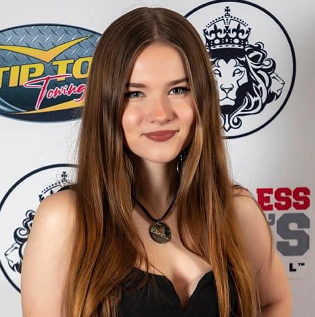
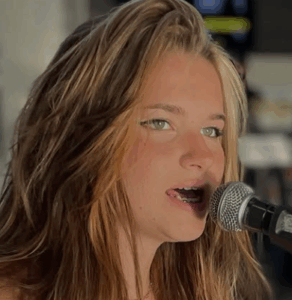
Sienna Rose is recognized as an AI-generated influencer who represents the growing trend of synthetic digital personalities used in marketing and content creation.1
Unlike traditional influencers, Sienna Rose does not exist as a physical person.
She is created using artificial intelligence, computer graphics and digital design technologies.
Her online presence is carefully developed to resemble a real fashion and lifestyle influencer.
She appears in photos, videos, promotional campaigns and social media content that can easily be mistaken for content created by a human creator.
The popularity of AI influencers like Sienna Rose reflects a larger shift in digital marketing.
Brands are increasingly exploring virtual personalities because they can provide consistent content, global appeal and creative flexibility.
As technology improves, synthetic influencers continue to blur the line between reality and digital creation.
Many users encounter these accounts without immediately realizing they are viewing AI-generated content.
Quick Facts
| Category | Details |
|---|---|
| Name | Sienna Rose |
| Type | AI Influencer |
| Industry | Fashion and Lifestyle |
| Content Focus | Fashion, Beauty, Lifestyle, Brand Collaborations |
| Technology | Artificial Intelligence and Computer-Generated Imagery |
| Known For | Realistic digital appearance and social media content |
| Audience | Fashion enthusiasts, lifestyle followers, digital culture observers |
| Marketing Use | Brand partnerships and promotional campaigns |
The Rise of AI Influencers
AI influencers were once considered a futuristic concept.2
Today, they are becoming a serious part of marketing strategies around the world. Several factors have contributed to their growth:
Advances in Artificial Intelligence
Modern AI systems can generate highly realistic faces, body movements, clothing designs and backgrounds. These technologies allow creators to build virtual personalities that look almost identical to real people.
Social Media Evolution
Social media platforms reward visually appealing and engaging content. AI influencers can consistently produce polished content that aligns with platform trends.
Increased Digital Consumption
People spend more time online than ever before. This creates opportunities for brands to experiment with innovative digital personalities that capture attention.
Virtual Culture Acceptance
Consumers are becoming more comfortable interacting with virtual experiences, digital avatars and AI-generated content. This cultural shift has made AI influencers more acceptable to mainstream audiences.
Why Are Brands Working With AI Influencers Now?
The growing interest in AI influencers is driven by several business advantages.
Greater Creative Control
One of the biggest reasons brands are embracing AI influencers is creative control.
Human influencers have personal opinions, schedules and limitations. AI influencers can be designed to fit specific campaign goals without unexpected changes.
Brands can control:
- Visual appearance
- Fashion style
- Messaging
- Content schedules
- Brand alignment
This level of consistency is attractive for marketing teams seeking predictable results.
Availability Around the Clock
Traditional influencers require travel, photo shoots, and scheduling coordination. AI influencers can be created and modified at any time.
Brands can launch campaigns quickly without waiting for physical production processes. This flexibility allows companies to react faster to trends and consumer interests.
Global Market Reach
AI influencers can be customized for different markets and audiences. A single digital creator can appear in campaigns tailored for multiple countries while maintaining a consistent brand identity.
This scalability helps brands expand their reach without managing multiple influencer partnerships.
Cost Efficiency
Large influencer campaigns often involve significant expenses. Costs may include:
- Talent fees
- Travel expenses
- Accommodation
- Production teams
- Photography sessions
Although creating an AI influencer requires investment, long-term operating costs may be lower than repeatedly hiring human talent.
Reduced Brand Risk
Influencer controversies can affect brand reputation. Human creators may face scandals, public criticism or unexpected behavior that impacts partnerships.
AI influencers do not engage in personal controversies unless intentionally programmed. This reduces certain reputational risks for brands.

Why People Are Shocked by How Realistic AI Influencers Look
One of the most fascinating aspects of AI influencers is their realism. Many social media users are unable to distinguish AI-generated personalities from real people.
Advanced Facial Generation
Modern AI systems can create faces with realistic skin textures, expressions and lighting. These details make digital influencers appear authentic in photos and videos.
Realistic Fashion Photography
AI-generated images now replicate professional fashion photography techniques. This includes:
- Natural poses
- Realistic shadows
- High-quality styling
- Detailed clothing textures
The result is content that looks similar to traditional fashion campaigns.
Human-Like Social Media Behavior
AI influencers often share content that mimics real influencer activity. Examples include:
- Lifestyle updates
- Travel content
- Fashion recommendations
- Product reviews
- Personal reflections
These interactions create the illusion of a genuine online personality.
Emotional Storytelling
Many AI influencer accounts include detailed backstories and personalities. Followers may become emotionally invested in these digital characters despite knowing they are artificial creations.
How Fashion Brands Are Using AI Influencers
The fashion industry has become one of the biggest adopters of synthetic creators.
Product Showcasing
AI influencers can model clothing collections without requiring traditional photo shoots. This allows brands to quickly visualize new products and campaign concepts.
Digital Fashion Campaigns
Virtual influencers can wear both physical and digital clothing designs. This creates opportunities for brands to explore futuristic fashion experiences.
Seasonal Promotions
Brands can rapidly update AI influencer content for seasonal campaigns. Examples include:
- Summer collections
- Holiday promotions
- Back-to-school campaigns
- Luxury launches
Social Media Engagement
Fashion companies use AI influencers to maintain active social media profiles that consistently generate content.
Also Read: Amy Beck Bio: Why Noah Beck’s Mom Suddenly Went Viral Again
AI Influencers in Lifestyle Marketing
Beyond fashion, lifestyle brands are also embracing synthetic creators.3
Beauty Products
AI influencers frequently promote skincare, makeup and beauty products. Their polished appearance aligns naturally with beauty-focused campaigns.
Travel Content
Virtual creators can appear in digitally generated travel destinations. This allows brands to create visually appealing travel content without logistical challenges.
Wellness Marketing
Lifestyle campaigns often focus on wellness, fitness and self-care themes. AI influencers can participate in these narratives while maintaining a carefully crafted brand image.
Home and Decor Promotions
Digital creators are increasingly used to showcase interior design products and home improvement brands.
Benefits for Marketing Teams
Marketing professionals see several advantages in working with AI influencers.
Faster Campaign Production
Campaigns can be developed more quickly because there is less dependence on physical logistics.
Consistent Brand Messaging
AI influencers deliver highly controlled messaging across all platforms.
Data-Driven Optimization
Digital creators can be adjusted based on audience performance and engagement metrics.
Innovation Appeal
Consumers often pay attention to campaigns that use emerging technologies. AI influencers help brands appear innovative and forward-thinking.
Challenges and Criticism
Despite their popularity, AI influencers face criticism.
Authenticity Concerns
Many consumers value genuine experiences and personal stories. Critics argue that AI influencers cannot provide true authenticity because they do not possess real-life experiences.
Transparency Issues
Some audiences feel brands should clearly disclose when content involves AI-generated personalities. Transparency helps maintain trust between companies and consumers.
Ethical Questions
The rise of AI influencers raises questions about:
- Digital identity
- Consumer trust
- Representation
- Employment impacts within creative industries
These discussions continue as synthetic creators become more common.
Audience Skepticism
Not everyone embraces AI influencers. Some users prefer following real people because they value genuine human connections.
The Future of AI Influencers
Industry experts expect AI influencers to become increasingly sophisticated. Future developments may include:
More Interactive Personalities
AI influencers could engage in real-time conversations with followers.
Enhanced Video Content
Advances in video generation technology will make virtual creators even more lifelike.
Personalized Experiences
Brands may develop AI influencers capable of tailoring content to individual audience preferences.
Virtual Commerce Integration
AI influencers may play larger roles in online shopping experiences and digital retail environments.
Why Sienna Rose Represents a Bigger Industry Trend
Sienna Rose is not simply an individual AI influencer.
She represents a broader transformation occurring across digital marketing.
Her growing visibility highlights several important trends:
- Increased acceptance of AI-generated content
- Growing investment in virtual creators
- Expanding use of synthetic personalities in branding
- Changing consumer relationships with online identities
As technology continues advancing, more AI influencers are likely to emerge across various industries.
How Consumers Are Responding
Consumer reactions remain mixed.
Some people are fascinated by the technology behind AI influencers.
Others express concern about the possibility of confusing audiences or replacing human creators.
However, one thing is clear: AI influencers generate attention.
Their novelty and realism often encourage discussion, sharing and media coverage.
For brands seeking visibility in crowded digital spaces, this attention can be highly valuable.
View this post on Instagram
FAQ’s
Is Sienna Rose a real person?
No. Sienna Rose is an AI-generated influencer created using digital technologies and artificial intelligence tools.
Why are brands partnering with AI influencers?
Brands use AI influencers because they offer creative control, consistent messaging, scalability and innovative marketing opportunities.
Are AI influencers replacing human influencers?
Not entirely. Most experts believe AI influencers will exist alongside human creators rather than completely replacing them.
Why do AI influencers look so realistic?
Advances in artificial intelligence, computer-generated imagery and image generation technologies allow creators to produce highly realistic digital personalities.
Can people tell when an influencer is AI-generated?
Sometimes yes, but increasingly it can be difficult. Many AI influencers are designed to closely resemble real people.
Are AI influencers popular in fashion?
Yes. Fashion brands are among the largest adopters of AI influencers because digital creators can model clothing and participate in campaigns efficiently.
What are the risks of AI influencers?
Potential concerns include transparency, authenticity, ethical issues and consumer trust.
Will AI influencers become more common in the future?
Most industry analysts expect AI influencers to become increasingly common as technology continues improving.
Conclusion
Sienna Rose represents one of the most interesting developments in modern digital marketing.
As AI technology becomes more advanced, synthetic influencers are gaining a stronger presence across fashion, beauty and lifestyle industries.
Brands are working with AI influencers because they provide flexibility, creative control, cost efficiency and global scalability. At the same time, consumers remain fascinated by how realistic these virtual personalities have become.
Many people are genuinely surprised when they discover that an influencer they believed was real is actually AI-generated.
The rise of Sienna Rose and similar digital creators demonstrates how technology is reshaping the relationship between brands and audiences.
While questions about authenticity and ethics remain important, there is little doubt that AI influencers are becoming a permanent part of the marketing landscape. As fashion and lifestyle marketing continue evolving, synthetic creators are likely to play an even larger role.
Whether consumers embrace or challenge this trend, AI influencers have already begun changing the future of online influence.
Also Read: Luciana Virasoro Bio: Why Luciana Virasoro Is Trending Now?