
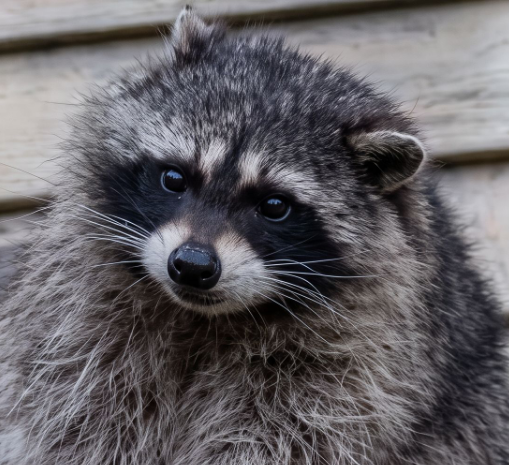
Seattle has always been known for its coffee, music, and beautiful scenery. In the summer of 2026, however, a different local celebrity captured the world’s attention. His name is Jimothy
Unlike other internet stars, Jimothy is not a singer, actor or athlete. He is a wild raccoon with an unusual body shape that instantly made millions of people curious.
A short video posted on social media turned Jimothy into one of the biggest animal sensations of the year.
His rounded body, short back and unique walk inspired thousands of memes, fan art, videos and jokes.
People even compared him to mythical creatures and famous movie characters.
One of the biggest jokes linked him to actor Danny DeVito, even though there is no real connection between them.
Despite his sudden fame, wildlife experts have reminded everyone that Jimothy is still a wild animal.
They encourage people to admire him from a distance so he can continue living safely in his natural habitat.
This article explores who Jimothy is, what made him famous, why the internet loves him and what really happened to Seattle’s most beloved raccoon.
Also Read: Gabrielle Carrington Bio: The Story Behind the Controversial Case
Table of Contents
Who Is Jimothy the Raccoon?
Jimothy is a wild raccoon that lives in Seattle’s Ballard neighborhood. He first became famous after Seattle resident Kiana Hall spotted him while walking one evening in July 2026.1
At first, Hall believed she had seen a cat hiding beneath a parked vehicle. When the animal moved into the open, she realized it was actually a raccoon with a very unusual body shape. She recorded a short video and uploaded it to Instagram.
The clip quickly spread across social media. Within days, millions of people had watched it.
The raccoon’s appearance immediately caught everyone’s attention because his body looked much shorter and rounder than that of a normal raccoon.
Hall jokingly named him Jimothy, saying he simply “looked like a Jimothy.” The name stuck almost instantly.
Experts believe Jimothy may have a rare congenital condition called short spine syndrome. This condition causes the spine to be compressed, making the body appear shorter while the legs look unusually long.
Although his appearance is different, veterinarians believe Jimothy appears healthy and surprisingly agile.
Videos show him climbing, running and moving around his neighborhood without obvious difficulty.
dont fade love to see it https://t.co/7Og3wdxknh
— NastarKukus (@lilisamela) August 4, 2026
Jimothy the Raccoon at a Glance
| Category | Details |
|---|---|
| Name | Jimothy |
| Species | Raccoon |
| Location | Ballard, Seattle, Washington |
| Became Famous | July 2026 |
| Viral Because Of | Unique body shape and social media video |
| Possible Condition | Short spine syndrome |
| First Viral Video | Shared by Kiana Hall |
| Internet Fame | Millions of views, memes, fan art, merchandise |
| Wildlife Status | Wild raccoon living freely |
| Expert Advice | Observe from a distance and never feed or approach |
What Happened to Seattle’s Viral Raccoon Jimothy?
Jimothy’s journey to internet fame started with a video that lasted only a few seconds.2
The footage showed the raccoon carefully moving across a parking area before disappearing into nearby bushes. His rounded body and unusual movement made many viewers wonder whether the video had been edited.
Some people believed the animal was overweight. Others thought it was a completely different species.
Wildlife experts later explained that Jimothy’s appearance is most likely the result of a rare spinal condition rather than obesity or video editing. Once this explanation spread online, public interest exploded.
Millions of users began sharing screenshots, artwork and humorous edits featuring Jimothy. The raccoon soon became one of the most talked-about animals on the internet.
Seattle residents proudly embraced him as an unofficial city mascot. Businesses created Jimothy-themed products.
Artists painted murals. Fans produced stickers, clothing and digital artwork celebrating the lovable raccoon.
Even more surprisingly, older security camera footage surfaced showing Jimothy as a baby living alongside his mother and siblings.
The discovery made fans even more attached because it showed that he had survived and adapted despite his unusual condition.
Why Did Jimothy Become an Internet Sensation?
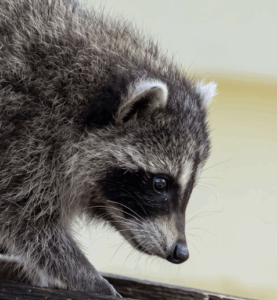
Many animals become popular online because they do something funny or unusual. Jimothy became famous simply by being himself.
His unique appearance made people stop scrolling and take a closer look. Once viewers learned that he was a real wild raccoon rather than an edited video or AI creation, interest grew even more.
Social media platforms such as Instagram, TikTok, X, Reddit and Facebook quickly filled with posts about Jimothy.
Millions of people shared the original video, created reaction memes and posted drawings inspired by Seattle’s newest wildlife celebrity.
Unlike many viral internet moments that disappear after a few days, Jimothy’s popularity continued to grow.
New sightings, photographs and videos kept appearing online. Each new post attracted thousands of comments from fans who wanted updates on his well-being.
The raccoon’s story also appealed to people because it showed resilience. Despite having a body that looked different from other raccoons, Jimothy appeared healthy, active and capable of surviving in the wild.
His confidence became part of his charm.
Wildlife lovers appreciated that Jimothy was not being kept in captivity. Instead, he remained free in his natural environment, living like any other urban raccoon in Seattle.
This helped create a positive conversation about respecting wildlife rather than treating wild animals like pets.
Does Jimothy Really Have Short Spine Syndrome?
One of the biggest questions surrounding Jimothy is whether he actually has short spine syndrome.
According to wildlife experts interviewed after the video went viral, his appearance strongly suggests this rare congenital condition.
Short spine syndrome affects the development of the vertebrae, causing the spine to become compressed. As a result, the neck appears shorter, the body becomes more compact and the overall shape looks unusual.
The condition is extremely rare in wild mammals. There are only a handful of documented cases involving different species around the world.
Although Jimothy’s body looks different, experts noted several encouraging signs:
- He walks normally.
- He climbs without visible difficulty.
- He appears alert and aware of his surroundings.
- He has survived long enough to become a healthy adult.
- He is able to search for food on his own.
Because Jimothy is a wild animal, no veterinarian has performed a medical examination. For that reason, experts cannot officially diagnose him.
The idea that he has short spine syndrome remains an educated assessment based on his appearance rather than confirmed medical evidence.
The Funny Danny DeVito Connection Explained
One of the funniest parts of Jimothy’s internet fame has been the endless jokes connecting him to actor Danny DeVito.
There is absolutely no real connection between Danny DeVito and Jimothy.
The joke began because internet users thought Jimothy’s short, compact appearance reminded them of the beloved actor’s energetic personality and memorable movie roles.
Social media users started creating humorous captions claiming Jimothy was secretly related to Danny DeVito or had inherited his “legendary energy.” The joke spread rapidly.
Soon, fan art began showing Jimothy dressed like characters played by Danny DeVito. Others imagined the raccoon starring alongside him in fictional movies.
These memes were never intended to insult either Jimothy or the actor. Instead, they reflected the internet’s habit of creating lighthearted pop culture references around viral moments.
The joke became so widespread that many news articles covering Jimothy mentioned the Danny DeVito comparison as part of the raccoon’s growing online legend.
Seattle Fully Embraced Jimothy
Seattle residents quickly adopted Jimothy as one of the city’s unofficial mascots.
Artists created colorful murals celebrating the raccoon. Local designers released stickers featuring his distinctive silhouette.
Illustrators sold postcards, posters and prints inspired by his adventures. Some cafés even displayed Jimothy artwork inside their stores.
Sports fans also joined the fun. Social media users edited Jimothy into photos of local teams and imagined him attending games as Seattle’s lucky mascot.
The excitement demonstrated how quickly one unexpected wildlife encounter could become part of a city’s culture.
Unlike many internet celebrities, Jimothy represented something authentic. He wasn’t performing tricks or wearing costumes.
He was simply living his normal life while people watched from a respectful distance. That authenticity helped make him even more popular.
Wildlife Experts Urge People to Leave Jimothy Alone
As Jimothy’s popularity increased, wildlife organizations became concerned that enthusiastic fans might accidentally harm him.
Experts reminded the public that Jimothy remains a wild raccoon and should never be approached.
People were encouraged to:
- Watch him only from a safe distance.
- Never feed him.
- Avoid trying to touch him.
- Never chase him for photos or videos.
- Keep pets away if Jimothy is nearby.
- Allow him to continue his natural behavior.
Feeding wild raccoons can create long-term problems. Animals may become dependent on humans, lose their natural fear or wander into dangerous situations.
Experts also warned that raccoons can carry diseases and may defend themselves if they feel threatened.
The best way to support Jimothy is simply to let him remain wild. This message became one of the most important parts of his story.
While people enjoyed sharing funny memes and artwork, many also learned valuable lessons about urban wildlife conservation and responsible animal watching.
Also Read: Amy Beck Bio: Why Noah Beck’s Mom Suddenly Went Viral Again
Jimothy’s Impact on Social Media
Jimothy’s rise to fame shows how quickly a single video can become a global phenomenon.3
Within days of his first appearance online, millions of people had watched, shared and commented on clips featuring the unusual raccoon.
Instagram users posted edited photos and artwork. TikTok creators made humorous videos imagining Jimothy’s daily adventures.
Reddit users discussed whether his appearance was caused by a rare condition or simply an unusual camera angle.
Meanwhile, X users filled timelines with jokes, memes and fictional stories about Seattle’s newest celebrity.
One reason Jimothy remained popular longer than many viral animals is that his story kept evolving.
Every new sighting sparked fresh excitement. Local residents occasionally shared photos of him walking through neighborhoods, climbing fences or searching for food at night.
These updates reassured fans that Jimothy was continuing to thrive in the wild.
Unlike many internet trends that fade within a week, Jimothy became part of Seattle’s online identity.
His name continued appearing in discussions about the city’s wildlife, proving that a simple encounter with nature could bring millions of people together.
Why People Connected With Jimothy
Jimothy’s popularity is about much more than his unusual appearance. Many people saw him as a symbol of resilience.
Although his body looks different from that of a typical raccoon, he continues to survive and adapt in a busy urban environment.
He climbs, searches for food and avoids danger just like other raccoons. That determination inspired many fans.
People also appreciated that Jimothy did not fit the image of a “perfect” animal.
His unique shape reminded viewers that being different does not prevent someone or something from living a full and successful life.
Many social media users shared messages saying Jimothy gave them confidence to embrace their own differences.
While these posts were often humorous, they also reflected a genuine emotional connection.
The raccoon became a reminder that uniqueness can be something worth celebrating.
Myths and Misconceptions About Jimothy
As Jimothy became more famous, several myths began circulating online. Here are some of the most common ones.
Myth 1: Jimothy is overweight.
This is probably the biggest misconception. Wildlife experts believe Jimothy’s rounded body is likely the result of a congenital spinal condition rather than obesity.
Videos also show that he moves quickly and comfortably, suggesting he is physically capable despite his unusual shape.
Myth 2: Jimothy is a pet raccoon.
False. Jimothy is a completely wild raccoon that lives freely around Seattle. He has never been reported as someone’s pet.
Myth 3: The viral video was edited.
Some viewers initially believed the footage had been digitally altered. However, multiple sightings from different people confirmed that Jimothy really does look like he appears in the original video.
Myth 4: Jimothy cannot survive in the wild.
Many assumed his condition would prevent him from living normally. Instead, evidence suggests he has adapted well.
The discovery of older footage showing him growing from a young raccoon into adulthood indicates that he has successfully survived for years.
What Jimothy Teaches Us About Urban Wildlife
Jimothy’s story highlights the surprising diversity of wildlife living in modern cities.
Raccoons are highly adaptable animals. They can find food, shelter and safe pathways even in busy urban neighborhoods.
Seattle provides plenty of green spaces, trees and quiet areas where raccoons can live alongside people.
Jimothy reminds us that every wild animal has its own story. Some are born with unusual characteristics, yet they continue to survive because of their remarkable ability to adapt.
His fame also encouraged many people to learn more about raccoons.
Wildlife organizations reported increased public interest in urban conservation and responsible wildlife viewing after Jimothy became famous.
This educational impact may become one of the most lasting parts of his legacy.
Jimothy’s Growing Legacy
Very few wild animals become household names. Jimothy has achieved something rare.
He transformed from an ordinary neighborhood raccoon into an internationally recognized internet personality.
His image now appears in:
- Fan illustrations
- Digital artwork
- Stickers
- T-shirts
- Posters
- Social media memes
- Local murals
- Community events celebrating Seattle wildlife
Some fans even created fictional “biographies” for Jimothy, imagining his hobbies, favorite foods and daily adventures.
These playful stories helped keep interest alive long after the original viral video.
Importantly, most fans have respected the message promoted by wildlife experts: enjoy Jimothy from afar and let him remain a wild animal.
That balance between admiration and respect has made Jimothy’s fame different from many previous internet animal stories.
Why Jimothy’s Story Matters
At first glance, Jimothy seems like just another funny internet meme. However, his story carries a deeper message.
He demonstrates that nature continues to surprise us, even in large cities. A single unusual raccoon reminded millions of people that wildlife exists all around us and deserves our respect.
Jimothy also shows the positive side of social media. Instead of spreading negativity, people shared artwork, laughter, curiosity and genuine concern for the animal’s well-being.
His popularity encouraged conversations about conservation, rare medical conditions in wildlife and responsible interactions with wild animals.
That is a remarkable legacy for a raccoon who simply wandered through a Seattle neighborhood.
FAQ’s
Who is Jimothy the Raccoon?
Jimothy is a wild raccoon that lives in Seattle’s Ballard neighborhood. He became famous in July 2026 after a video showing his unusual body shape went viral across social media.
Why is Jimothy so famous?
Jimothy became famous because of his distinctive appearance, which many experts believe may be caused by a rare spinal condition. His story spread rapidly online through memes, videos and fan art.
Does Jimothy really have short spine syndrome?
There is no official medical diagnosis because Jimothy is a wild animal. However, wildlife experts believe his appearance strongly suggests short spine syndrome or another congenital spinal abnormality.
Is Jimothy healthy?
Based on videos and observations, Jimothy appears healthy. He can walk, climb, forage for food and survive in the wild like other raccoons.
Where does Jimothy live?
Jimothy lives in Seattle’s Ballard neighborhood in Washington, where he has been spotted by several local residents.
Why do people compare Jimothy to Danny DeVito?
The comparison began as an internet joke because Jimothy’s short, compact appearance reminded some people of actor Danny DeVito’s energetic personality. There is no real connection between them.
Is Jimothy a pet?
No. Jimothy is a completely wild raccoon and has never been reported as a domesticated animal.
Can people visit Jimothy?
Jimothy is not part of a zoo or wildlife sanctuary. Since he is a wild raccoon, there is no guarantee of seeing him. Wildlife experts recommend observing him only from a safe distance if you happen to encounter him.
What should people do if they see Jimothy?
Experts advise people to admire him from afar, avoid feeding or approaching him, keep pets away and allow him to continue his natural behavior without disturbance.
Why is Jimothy important?
Jimothy’s story has encouraged people to appreciate urban wildlife, learn about rare animal conditions and understand the importance of respecting wild animals while enjoying their presence.
Conclusion
Jimothy the Raccoon has become much more than a viral internet sensation.
What began as a short video recorded in Seattle’s Ballard neighborhood quickly turned into one of the most heartwarming wildlife stories of 2026.
His unusual appearance sparked curiosity but his resilience and ability to thrive in the wild kept people interested.
Experts believe Jimothy may have a rare condition known as short spine syndrome, although this has not been medically confirmed.
Even so, he appears healthy, active and capable of living independently. His story reminds us that nature is full of surprises and that animals can adapt in remarkable ways.
The internet embraced Jimothy with memes, artwork and humorous comparisons to actor Danny DeVito.
While those jokes brought laughter, they also encouraged people to learn more about urban wildlife and the importance of respecting wild animals.
Perhaps Jimothy’s greatest achievement is that he inspired millions of people to appreciate the wildlife living in their own communities.
He showed that even an ordinary raccoon can become extraordinary simply by being unique.
As long as people continue to admire him responsibly and allow him to remain wild, Jimothy will remain one of Seattle’s most memorable internet stars and a symbol of resilience, individuality and the unexpected joy that nature can bring.