

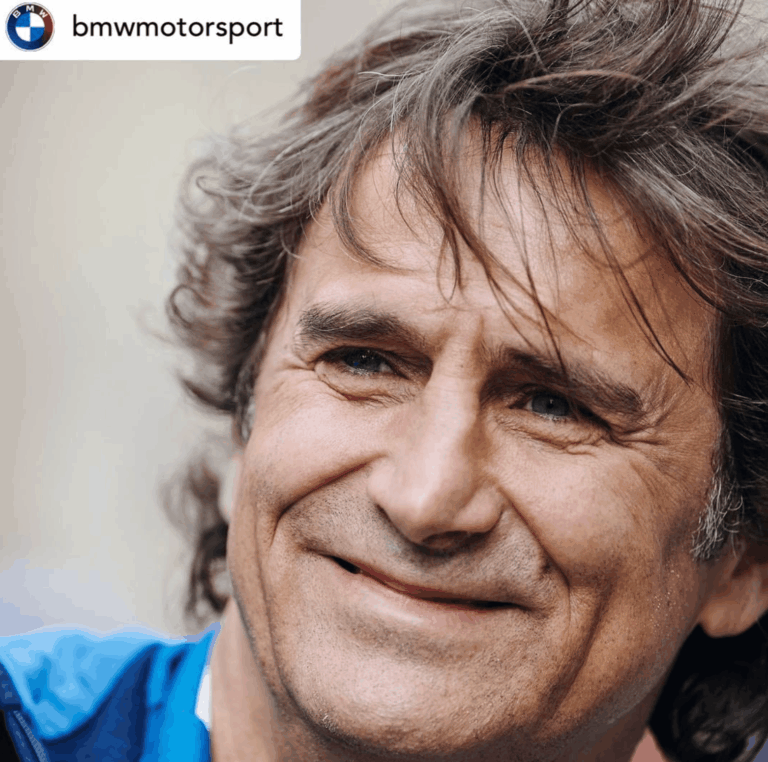
The passing of Alex Zanardi on 1 May 2026 at the age of 59 marked the end of one of the most extraordinary journeys in modern sport. A man who excelled in both motorsport and Paralympic competition, Zanardi’s life story was not defined by setbacks—but by how he responded to them
His death, confirmed by his family, triggered a global outpouring of tributes from Formula 1, Paralympic communities, and world leaders. He died peacefully, surrounded by his loved ones, after years of health complications following a devastating 2020 accident.1
Table of Contents
Thousands Gather to Honor Zanardi
A Funeral That Reflected His Impact
Zanardi’s funeral in Padua, Italy, became a powerful symbol of his global influence:
- Thousands of fans and admirers gathered to pay their respects
- His handcycle was placed near the altar, symbolizing his second sporting life
- Family members, including his wife Daniela and son Niccolò, sat in the front row
- Sporting figures like Stefano Domenicali and Paralympic stars attended
One emotional tribute from the crowd read: “Farewell Alex, your legend will never die.”2
The sheer turnout reflected how deeply Zanardi’s story resonated beyond the sport.
Early Racing Development and Karting Foundations
Before reaching international circuits, Alex Zanardi built his racing instincts in karting—a discipline that shaped his technical precision and aggressive driving style.
Unlike many elite drivers backed by strong financial support, Zanardi progressed through the ranks with limited resources, relying heavily on raw talent and persistence.
His karting years were marked by:
- Consistent performances in Italian and European championships
- Mechanical understanding of vehicles, often working closely on setups
- A reputation for late braking and bold overtaking attempts
These formative experiences laid the groundwork for his adaptability across multiple racing formats later in his career.
Transition to Single-Seaters
Zanardi’s move into professional single-seater racing came through Formula 3 and Formula 3000, which were critical stepping stones at the time.
Key Highlights from Junior Career
- Competed in Italian Formula 3, gaining attention for speed and racecraft
- Entered Formula 3000, where he secured podium finishes
- Demonstrated strong qualifying pace but occasionally struggled with consistency
Although he did not dominate these categories, his performances were strong enough to attract interest from Formula 1 teams.3
Also Read: James Charles in the Spotlight: Why He Never Stops Trending?
Technical Strengths as a Driver
Zanardi was not just fast—he was technically sharp. His driving style stood out due to specific strengths:
- Exceptional car control under pressure
- Ability to push limits without losing composure
- Strong feedback to engineers on car balance
- Adaptability across different track conditions
His approach made him valuable to teams, even when results did not always reflect his capabilities.
Return to Touring Cars and GT Racing
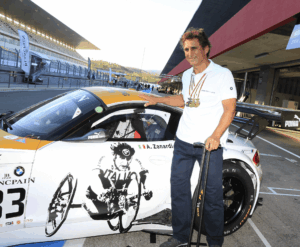
After his recovery and return to competitive motorsport, Zanardi explored multiple disciplines beyond single-seaters.
Touring Car Racing (WTCC)
- Competed in the World Touring Car Championship (WTCC)
- Drove specially modified BMW cars adapted for hand controls
- Secured race victories despite physical limitations
His participation alone was groundbreaking, but winning races elevated his status further.
GT and Endurance Racing
Zanardi also tested himself in endurance formats:
- Participated in long-distance races requiring sustained focus
- Competed in events like the 24-hour endurance challenges
- Showed impressive stamina and strategic driving
Engineering Innovation: Cars Adapted for Zanardi
One of the most remarkable aspects of Zanardi’s career post-2001 was the engineering innovation that enabled his return.
Key Modifications in His Cars
- Hand-operated throttle and braking systems
- Custom steering wheel integration
- Electronic gear shifting mechanisms
- Redesigned cockpit ergonomics
These advancements were not just functional—they influenced adaptive technologies in motorsport and beyond.4
Racing Records and Notable Achievements
Beyond championships and medals, Zanardi accumulated several noteworthy milestones:
- Among the few drivers to win major titles in both Europe and the United States
- Successfully competed across multiple racing formats
- Achieved victories after returning from a life-altering disability
His career reflects versatility rarely seen in motorsport.
Also Read: Where Is Liza Koshy Today? Her Journey Beyond YouTube Fame
Key Career Facts (Quick View)
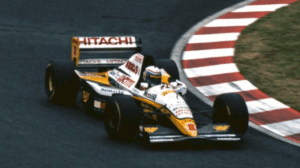
- Competed in over 40 Formula 1 races
- Secured multiple fastest laps in CART competitions
- Won races across different racing disciplines
- Represented Italy on global sporting stages
- Transitioned successfully between able-bodied and para sports
Unique Achievements Beyond Championships
Zanardi’s legacy includes several achievements that go beyond standard statistics:
- First amputee driver to compete at a high level in international touring car racing
- Among the earliest athletes to bridge motorsport and Paralympic sport
- Inspired advancements in adaptive sports engineering
- Became a case study in sports science for recovery and performance
Leadership and Mentorship Role
In later years, Zanardi also played an informal mentorship role:
- Guided younger drivers on racecraft and mental discipline
- Advocated for safety improvements in motorsport
- Encouraged inclusivity in competitive sports
He was respected not only for his achievements but also for his willingness to share knowledge.
Key Insights
- Developed racing skills through grassroots karting circuits
- Progressed through Formula 3 and Formula 3000 before reaching top tiers
- Known for technical feedback and aggressive driving style
- Competed successfully in touring cars with adapted vehicles
- Contributed to innovation in hand-controlled racing systems
- Demonstrated versatility across single-seaters, touring cars, and endurance racing
- Played a role in mentoring and influencing future drivers
- Became a symbol of engineering adaptability in modern motorsport
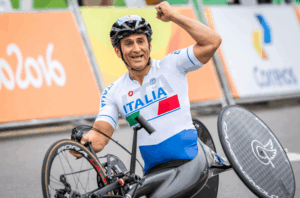
Table: Multi-Discipline Career Overview
| Category | Details |
|---|---|
| Karting Career | National & European competitions |
| Junior Series | Formula 3, Formula 3000 |
| Formula 1 Races | 40+ entries |
| Touring Cars | WTCC participation and wins |
| Endurance Racing | Multiple long-distance events |
| Engineering Impact | Adaptive vehicle systems |
| Racing Style | Aggressive, technical, strategic |
Influence on Adaptive Sports Technology
Zanardi’s return to racing after amputation was not just inspirational—it accelerated innovation.
Areas of Impact
- Development of custom racing controls for disabled drivers
- Improved accessibility in competitive motorsport
- Integration of electronic assist systems in performance vehicles
His case proved that physical limitations could be mitigated with intelligent engineering.
View this post on Instagram
Media Presence and Public Engagement
Zanardi also remained active in public life beyond racing:
- Appeared in sports documentaries and interviews
- Shared insights on resilience and performance
- Engaged with global audiences through motivational speaking
His communication style was clear, honest, and grounded—qualities that resonated widely.
Recognition Across Sporting Bodies
Zanardi’s achievements were acknowledged across different sporting institutions:
- Motorsport organizations honored his racing contributions
- Paralympic committees celebrated his athletic success
- Engineering communities recognized his role in innovation
This cross-domain recognition highlights the breadth of his influence.
Also Read: Who Is Katie Fang? The Beauty Influencer Taking Over in 2026
Early Life and Background
Roots in Bologna
- Full name: Alessandro Leone Zanardi
- Born: 23 October 1966, Bologna, Italy
- Raised in Castel Maggiore
- Came from a modest family—his father was a plumber
Zanardi’s early life was marked by tragedy. His sister died in a car accident, an event that deeply shaped his outlook on life. Despite this, he developed a passion for racing through karting.
Formula 1 Career: A Learning Ground
Teams and Performance
Zanardi competed in Formula 1 during the 1990s with:
- Jordan
- Minardi
- Lotus
- Williams
While his F1 career did not bring podium finishes, it served as a crucial stepping stone. His best finish came in 1993, and he gained respect for his raw talent and determination.5
CART Glory: The Peak of His Racing Career
Dominating American Open-Wheel Racing
Zanardi’s defining racing achievements came in CART (now IndyCar):
- Champion in 1997 and 1998
- 15 race wins
- 28 podium finishes
His driving style was fearless and aggressive, earning him widespread popularity in the United States.
Iconic Moments (Autosport Highlights)
Some of his most celebrated career moments include:
- The “Pass” at Laguna Seca (1996) – one of the greatest overtakes in motorsport history
- Dominant championship runs in the late 1990s
- Emotional return laps after his life-threatening accident
These moments cemented his legacy as one of the sport’s most exciting drivers.
The 2001 Crash: A Defining Turning Point
What Happened?
In September 2001, during a CART race in Germany:
- Zanardi’s car spun and was hit at high speed
- He suffered catastrophic injuries
- Both legs were amputated
- He experienced cardiac arrest and massive blood loss
His Response to Tragedy
Instead of giving in, Zanardi displayed extraordinary mental strength:
- He focused on survival and recovery
- Famously embraced life despite losing his legs
- Became a global symbol of resilience
Within two years, he returned to racing with modified cars—a feat few thought possible.
Also Read: Why Marques Brownlee Is Trending Again in Tech in 2026?
Reinvention: Paralympic Greatness
Transition to Para-Cycling
Zanardi reinvented himself as a para-athlete:
- Took up handcycling
- Competed internationally within a short period
Paralympic Achievements
- 4 Gold Medals (London 2012, Rio 2016)
- 2 Silver Medals
- 12 World Championship titles
He also competed in endurance events, including:
- New York City Marathon
- Ironman World Championship
His transformation from racing driver to Paralympic champion remains one of the greatest comebacks in sports history.
The 2020 Accident and Final Years
In June 2020:
- Zanardi was involved in a handcycling accident in Italy
- He collided with a truck during a relay event
- Sustained severe head and facial injuries
- Placed in a medically induced coma
He underwent multiple surgeries and years of rehabilitation, but never fully recovered.
Career Summary Table
| Category | Details |
|---|---|
| Full Name | Alessandro Leone Zanardi |
| Birth | 23 Oct 1966, Bologna, Italy |
| Death | 1 May 2026 |
| F1 Teams | Jordan, Minardi, Lotus, Williams |
| CART Titles | 2 (1997, 1998) |
| CART Wins | 15 |
| Paralympic Golds | 4 |
| Paralympic Silvers | 2 |
| World Titles | 12 |
| Major Accidents | 2001 (lost legs), 2020 (head injury) |
Personal Life: The Man Behind the Athlete
Family and Relationships
- Married to Daniela Manni
- One son: Niccolò
- Known for maintaining a grounded family life
Nicolò, figlio di Alex Zanardi, ai funerali nella basilica di Santa Giustina a Padova: “Vi racconto l’Alex che si fa il caffè, che impasta la pizza il sabato sera, che ti chiede di aiutarlo con lo spid col sorriso. Non serve essere Alex Zanardi per avere una vita meravigliosa.… pic.twitter.com/VEHTldcnyh
— LaPresse (@LaPresse_news) May 5, 2026
Personality and Character
Zanardi was widely admired for:
- His optimism, even in adversity
- A sharp sense of humor (even after his accident)
- Deep humility despite global fame
Friends and peers often described him as someone who inspired not just through achievements—but through attitude.
Life Beyond Competition
Contributions and Influence
- Motivational speaker
- Advocate for disability sports
- Role model for resilience worldwide
Recognition
- Laureus World Sports Award (Comeback of the Year)
- Knight Grand Cross of the Italian Republic
- Motorsports Hall of Fame of America inductee
Why Zanardi’s Story Stands Apart
Zanardi’s life is remarkable for several reasons:
- He succeeded in two completely different sporting arenas
- Survived two near-fatal accidents
- Continuously redefined his limits
He was not just a champion—he was a symbol of what is possible when determination meets purpose.
Also Read: Druski’s Rise to Fame: Why He’s Suddenly Everywhere in 2026
Timeline of Key Events
| Year | Event |
|---|---|
| 1991 | F1 debut |
| 1997–1998 | CART champion |
| 2001 | Crash leads to loss of both legs |
| 2003 | Returns to racing |
| 2012 | Wins 2 Paralympic golds |
| 2016 | Wins 2 more golds |
| 2020 | Suffers severe head injury |
| 2026 | Passes away |
FAQs
1. What caused Alex Zanardi’s death?
The exact cause has not been publicly disclosed, but it followed long-term complications after his 2020 accident.
2. How did he lose his legs?
He lost both legs in a 2001 CART racing crash in Germany.
3. How many Paralympic medals did he win?
He won 4 gold and 2 silver medals in para-cycling.
4. What made him so inspirational?
- Overcame life-threatening injuries
- Reinvented himself as a Paralympian
- Maintained a positive outlook
5. What was his greatest achievement?
While opinions vary, many consider his transition from amputee to Paralympic champion his most remarkable accomplishment.
Conclusion: A Legacy Beyond Sport
Alex Zanardi’s story is not just about racing, medals, or records. It is about resilience in its purest form. He showed that even after unimaginable setbacks, life can be rebuilt—and even reimagined.
His legacy will endure not only in motorsport history or Paralympic records, but in the countless lives he inspired.