

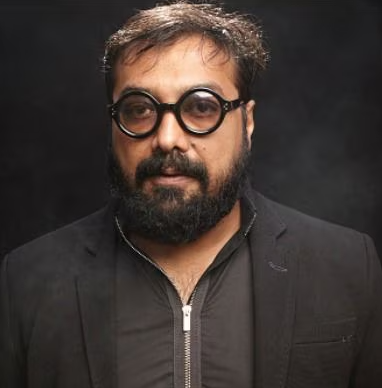
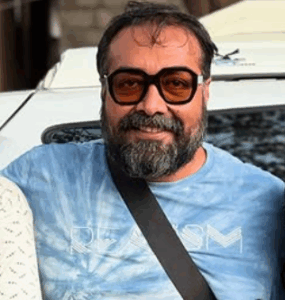
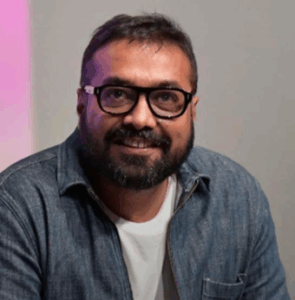
Anurag Kashyap is widely known as one of the most influential voices in modern Indian cinema. He is a filmmaker with a distinct style, a writer who helped redefine crime dramas in Hindi films, a producer who backs new talent, and an actor who enjoys playing complex characters
While most people first think of him as a director and writer, Kashyap has also built a memorable acting profile across Hindi and South Indian cinema, including playing villains and exaggerated versions of himself.
Kashyap’s work often pushes boundaries. He favors morally grey characters, raw soundscapes, experimental camera work, and stories that probe power, violence, and desire.
This biography walks through Anurag Kashyap’s early life, breakthrough, signature style, key films, acting journey, controversies, personal life, and lasting impact.
Also Read: Ahana Deol Bio, Age, Family, Career, Husband and More
Table of Contents
Anurag Kashyap’s Biography
Early Life and Education
Anurag Singh Kashyap was born on 10 September 1972 in Gorakhpur, Uttar Pradesh.
He spent his childhood moving through different towns due to his father’s job, which exposed him to diverse social landscapes, languages, and people.
That mobility shows in his films. Kashyap’s characters come from many regions and classes, and his dialogue often preserves the flavor of local speech.
He moved to Delhi for higher studies and enrolled at Hansraj College, University of Delhi, where he studied zoology. College life opened the doors to theatre and literature.
He started watching world cinema, reading widely, and performing with street and campus groups. Exposure to filmmakers like Satyajit Ray, Shyam Benegal, Scorsese, and Kurosawa expanded his sense of what stories could look like on screen.
He also worked around Jana Natya Manch circles and the broader Delhi theatre ecosystem, learning how to stage stories quickly, cheaply, and with social bite.
This theatre foundation would later show up in the way he constructs scenes: actor-driven, rehearsal-heavy, alive to rhythm and silence, and guided by raw performance rather than glossy surfaces.
Ab tak toh bas jhalak dekhe the, ab time hai phull bawaal trailer dekhne ka! 🔥💥#Nishaanchi, Trailer Out Now.
Releasing in theatres near you on September 19 🎯#Aaishvary #VedikaPinto @_Monikapanwar #KumudMishra @Mdzeeshanayyub @cinemakasam @AjayGRai #SylvesterFonseca… pic.twitter.com/OF4aiWno1m
— Anurag Kashyap (@anuragkashyap72) September 3, 2025
Quick Stats
| Field | Details |
|---|---|
| Full Name | Anurag Singh Kashyap |
| Professions | Director, Screenwriter, Producer, Actor |
| Known For | Satya (writer), Black Friday, Dev.D, Gulaal, Gangs of Wasseypur I & II, Ugly, Raman Raghav 2.0, Mukkabaaz, Manmarziyaan, Sacred Games (showrunner/co-director), Choked, Dobaaraa, Almost Pyaar with DJ Mohabbat, Kennedy |
| Acting Highlights | Akira (antagonist), Imaikkaa Nodigal (Tamil, antagonist), AK vs AK (as himself), roles/cameos in Hindi indies |
| Date of Birth | 10 September 1972 |
| Birthplace | Gorakhpur, Uttar Pradesh, India |
| Nationality | Indian |
| Education | Studied at Hansraj College, University of Delhi (Zoology); active in street and campus theatre |
| Years Active | Mid-1990s – present |
| Companies Founded/Co-founded | Phantom Films (2011; dissolved 2018), Good Bad Films (from 2020) |
| Frequent Collaborators | Ram Gopal Varma (early career), Vikramaditya Motwane, Amit Trivedi, Nawazuddin Siddiqui, Pankaj Tripathi, Vicky Kaushal, Richa Chadha, Radhika Apte, Tapsee Pannu, Rahul Bhat |
| Notable International Honors | Ordre des Arts et des Lettres (France) |
| Marital History | Aarti Bajaj (m. 2003–2009); Kalki Koechlin (m. 2011; separated 2013, divorced 2015) |
| Children | Aaliyah Kashyap (daughter) |
| Signature Themes | Crime and politics, identity and morality, love and obsession, urban angst, social change |
| Trademark Style | Long takes, handheld realism, sound-driven tension, sharp dialogue, ensemble casts, musical experimentation |
Trying His Luck in Mumbai
In the mid-1990s, Kashyap moved to Mumbai, the heart of the Hindi film industry. The city was not an immediate success story. He wrote for television and took up odd writing jobs.
The turning point came when he connected with Ram Gopal Varma, then a major influence on the “realist” strain of Hindi cinema.
Varma wanted a fresh voice to work on a script about Mumbai’s underworld. Kashyap teamed up with Saurabh Shukla, and together they wrote Satya (1998).
The film changed a lot of things at once: it redefined gangster films in Hindi, launched Manoj Bajpayee as a force, and proved that gritty, street-level realism could grip audiences just as much as star-led spectacle. For Kashyap, Satya was the door to a career.
From Writer to Director: Paanch and Black Friday
After Satya, Kashyap wrote other projects, but he wanted to direct. His first directorial feature Paanch became a legend even without a proper theatrical release.
Inspired by a real-life case, it dealt with a rock band, crime, and moral collapse. The film faced censor issues and never received a standard release, though it circulated in festivals and private screenings. The Paanch experience taught Kashyap that pushing boundaries would come at a cost but he did not step back.
His breakthrough as a director was Black Friday (shot in 2004, released in 2007 after legal delays), based on the 1993 Bombay bombings and the complex investigation that followed. The film mixed investigative journalism with cinematic craft.
It used handheld cameras, documentary-style detail, and an exceptional score from Indian Ocean to build a tense, immersive narrative. When it finally released, Black Friday was widely hailed as one of the most powerful Hindi films of its decade. It established Kashyap’s voice as fearless, formally inventive, and committed to uncomfortable truths.
Establishing a Signature: Dev.D, Gulaal, and a New Energy
Dev.D (2009) took one of Hindi literature and cinema’s most filmed stories Devdas and flipped it into a modern, neon-lit tale of love, indulgence, and self-destruction.
The film’s fractured narrative, bold music by Amit Trivedi, and sharp visual language made it a cult classic. It spoke to urban youth, yet it kept the heart of the source material alive by asking timeless questions about love, ego, and grief.
In the same period, Gulaal (2009) explored student politics, identity, and power in a Rajasthan university setting.
It looked at how idealism turns, how personal wounds feed collective agendas, and how patriarchy and feudal structures adapt themselves in modern India. Together, Dev.D and Gulaal announced that Kashyap would not stick to a single template. He could build a story around music and mood, or around debate and ideology.
The Gangs of Wasseypur Phenomenon
With Gangs of Wasseypur Parts I & II (2012), Kashyap delivered a five-plus-hour gangland saga that documented decades of crime, politics, and family feuds across coal belts in Dhanbad and Wasseypur.
It was a new kind of epic funny, violent, musical, and packed with unforgettable characters. The film launched or accelerated the careers of several actors, including Nawazuddin Siddiqui, Richa Chadha, Pankaj Tripathi, Huma Qureshi, and Vineet Kumar Singh.
What stood out was the film’s texture: the dialects, the rituals, the business of crime, and the casual way violence leaks into daily life. The soundtrack, ranging from folk to quirky originals, became a character in itself.
The two-part release influenced many after it, from indie crime sagas to streaming shows that lean on regional flavor and sprawling ensemble storytelling.
Producer and Mentor: Phantom Films and Beyond
In 2011, Kashyap co-founded Phantom Films with Vikramaditya Motwane, Vikas Bahl, and Madhu Mantena. The company quickly gained a reputation for backing strong scripts and young directors.
Under Phantom’s banner or in association with it, films like Udaan, Lootera, Queen, Masaan, and The Lunchbox found audiences and acclaim.
The company’s curatorial sense giving the green light to stories that were artist-driven yet accessible helped build a bridge between indie aesthetics and mainstream reach.
Phantom dissolved in 2018 following allegations against a partner and the broader industry reckoning under the #MeToo movement.
After the closure, Kashyap moved on and launched Good Bad Films (from 2020), through which he continued to produce and direct, including the Netflix feature Choked.
Streaming Era: Sacred Games and Experiments
The most visible streaming milestone for Kashyap was Sacred Games (2018–2019), adapted from Vikram Chandra’s novel.
Working alongside Vikramaditya Motwane, Kashyap co-directed and showran the landmark first Indian Netflix original series to gain global attention.
The show’s ambition, split timelines, textured characters, strong performances by Saif Ali Khan, Nawazuddin Siddiqui, and Pankaj Tripathi, and bold storytelling set the tone for Indian premium streaming content.
Kashyap followed with a segment in Ghost Stories (2020), the feature Choked (2020) that explored banking, demonetization, and a stressed marriage, and a series of stylistic experiments like Dobaaraa (2022), a time-bending thriller starring Taapsee Pannu.
He went back to a youthful romance-meets-social-reflection zone with Almost Pyaar with DJ Mohabbat (2023). The noir Kennedy (2023) drew festival attention, continuing Kashyap’s long relationship with international circuits.
Also Read: Malavika Mohanan: Bio, Age, Height, Movies, Career and More
Acting Career: The Villain, The Insider, The Self
Though best known for writing and directing, Kashyap has carved out a fun and sometimes menacing acting niche:
-
Akira (2016) — He played a corrupt cop and principal antagonist, bringing a chilling charm to the role.
-
Imaikkaa Nodigal (2018, Tamil) — As the villain “Rudra,” he turned in a memorable performance that was both theatrical and unnerving.
-
AK vs AK (2020) — He played a heightened version of “Anurag Kashyap” opposite Anil Kapoor, blurring lines between fiction and reality.
-
Cameos and supporting roles — Over the years, he has popped up in indie films and shorts, often adding meta humor or grit.
As an actor, Kashyap tends to favor parts that either challenge his image or lean into it in mischievous ways. He’s comfortable being unlikeable on screen, which makes his villains hard to shake off.
Controversies and Censorship
Kashyap’s career has seen intense debates and legal hurdles:
-
Paanch faced censor troubles and did not see a conventional release.
-
Black Friday was stalled for years due to ongoing court cases related to the 1993 bombings before its 2007 release.
-
Bombay Velvet (2015), a star-driven period film, was a major box-office failure. Kashyap openly discussed the film’s making and aftermath, treating it as a learning moment rather than a personal defeat.
-
Online abuse, political criticism, and industry disagreements have been part of his public life. Kashyap has, however, continued to make and back movies on his own terms.
Personal Life
Anurag Kashyap married film editor Aarti Bajaj in 2003. They have a daughter, Aaliyah Kashyap. The couple separated in 2009. He later married actor Kalki Koechlin in 2011.
They separated in 2013 and divorced in 2015. Over the years, Kashyap has remained close to collaborators and protégés, forming a creative community that often overlaps across his projects as writers, editors, music directors, and actors.
Awards and Recognition
While awards have come and gone, Kashyap’s biggest recognition is the way his films have shaped Indian cinema’s second wave: the indie-mainstream blend that now thrives on streaming and in theatres.
International festivals have selected his films across Cannes, Venice windows like Directors’ Fortnight for titles such as Ugly, Raman Raghav 2.0, and Kennedy.
He was honored by the French government with the Ordre des Arts et des Lettres, acknowledging his contribution to cinema and culture.
Essential Anurag Kashyap Watchlist
-
Satya (1998) — Writer. The DNA of modern Hindi crime cinema.
-
Black Friday (2007) — Director. A powerful, investigative drama with documentary grit.
-
Dev.D (2009) — Director. A radical, musical reinvention of Devdas.
-
Gulaal (2009) — Director. Student politics and power set to poetry and pain.
-
Gangs of Wasseypur I & II (2012) — Director. The definitive Indian crime epic.
-
Ugly (2013) — Director. A missing child case unraveling into human darkness.
-
Raman Raghav 2.0 (2016) — Director. A chilling dance between a killer and a cop.
-
Mukkabaaz (2017/2018) — Producer/Creative force. A spirited boxing drama with social bite.
-
Manmarziyaan (2018) — Director. A messy, modern romance with a towering soundtrack.
-
Sacred Games (2018–2019) — Showrunner/co-director. The series that made global streaming audiences sit up.
-
Choked (2020) — Director. Money, marriage, and the everyday economy.
-
Dobaaraa (2022) — Director. Sci-fi thriller remake with a personal stamp.
-
Almost Pyaar with DJ Mohabbat (2023) — Director. Youth, love, class, and the cost of change.
-
Kennedy (2023) — Director. Festival-favorite noir.
Filmography
As Writer (key credits)
-
Satya (1998)
-
Kaun? (dialogues contribution era; he was part of the RGV circle)
-
Black Friday (screenplay, based on Hussain Zaidi’s book)
As Director
-
Paanch (unreleased in theatres)
-
Black Friday (2007)
-
No Smoking (2007)
-
Dev.D (2009)
-
Gulaal (2009)
-
That Girl in Yellow Boots (2010)
-
Gangs of Wasseypur I & II (2012)
-
Ugly (2013)
-
Bombay Velvet (2015)
-
Raman Raghav 2.0 (2016)
-
Mukkabaaz (2017/2018; producer/creative)
-
Manmarziyaan (2018)
-
Ghost Stories (2020, segment)
-
Choked (2020)
-
Dobaaraa (2022)
-
Almost Pyaar with DJ Mohabbat (2023)
-
Kennedy (2023)
As Actor (select)
-
Akira (2016) — Antagonist
-
Imaikkaa Nodigal (2018, Tamil) — Antagonist
-
AK vs AK (2020) — As himself
-
Cameos/indie roles across Hindi cinema
View this post on Instagram
FAQs about Anurag Kashyap
1) Is Anurag Kashyap a Bollywood actor or director?
Both. He is primarily known as a director and writer, but he has also acted in several films, notably Akira, Imaikkaa Nodigal (Tamil), and AK vs AK, where he plays a version of himself.
2) What is Anurag Kashyap’s most famous work?
He is best known for Gangs of Wasseypur I & II, Black Friday, and Dev.D. These titles define his style and influence and are great starting points for new viewers.
3) Why was Black Friday delayed?
Black Friday, based on the 1993 Bombay bombings and investigations, was held up due to ongoing legal proceedings. It released in 2007 and received wide acclaim for its realism and courage.
4) Did Paanch ever release?
Paanch faced censor issues and never received a standard theatrical release. It gained a cult status through festival and limited screenings.
5) What happened to Phantom Films?
Phantom Films, co-founded by Kashyap in 2011, dissolved in 2018 after allegations surfaced against a partner.
Following the closure, Kashyap continued to create through other entities, including Good Bad Films.
Conclusion
Anurag Kashyap’s journey from a Delhi theatre student to one of India’s most talked-about filmmakers is a story of persistence, experimentation, and fearless storytelling.
He has worn many hats writer, director, producer, actor and has used each role to nudge Indian cinema into new spaces. His films are not always comfortable.
They are not designed to flatter the viewer. Instead, they seek to confront and engage. That is why they last.
Whether you enter his world through Black Friday’s investigative sweep, Dev.D’s pulsating soundtrack and heartbreak, Wasseypur’s sprawling family feuds, or the streaming landmark Sacred Games, you will find stories that feel lived-in and alive.
This is Kashyap’s biggest contribution: making Indian cinema feel both intimately local and thrillingly global.
Also Read: Zoya Akhtar Bio, Life, Family, Career, Best Films and More