

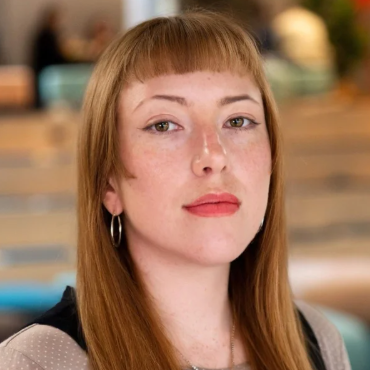
Isobel O’Sullivan is a British technology and business writer whose work has increasingly appeared in conversations about social media, digital culture, small businesses and the creator economy
She is not primarily known as a social-media influencer.
Instead, her role is closer to that of a journalist and researcher who watches how online platforms change and then explains what those changes mean for businesses, creators and everyday users.
In 2026, that distinction matters. Social media trends can move from a small TikTok or Instagram community to mainstream attention within days.
Businesses want to understand which trends are worth following. Creators want to know which formats may help them reach audiences.
That combination of anthropology, technology reporting and trend analysis helps explain why her work is being noticed.
She is not simply reporting that something is viral.
Her articles often try to explain why a trend matters and what businesses or creators can do with it.
Also Read: Luciana Virasoro Bio: Why Luciana Virasoro Is Trending Now?
Table of Contents
Who Is Isobel O’Sullivan?
Isobel O’Sullivan is a journalist and technology writer who covers subjects connected to business, technology, employment, digital culture and social media.1
According to her author profile on Tech.co, O’Sullivan holds a BSc and studied Digital Anthropology at University College London. Her work has included technology research as well as journalism and content writing.
Tech.co identifies employment and data security as areas of particular interest and says she has specialist knowledge of POS and VoIP systems.
Her professional background is broader than social-media trends alone. She has written about artificial intelligence, startups, workplace technology, cybersecurity, social platforms and online business.
Her older Tech.co work also shows that social media has been part of her reporting for several years.
In 2024, for example, she covered the viral “roast my Instagram” trend and examined both its popularity and the privacy questions surrounding users who submitted personal information to AI tools.
In 2025, she also reported on TikTok and the uncertainty surrounding the platform in the United States. Her coverage discussed how users could access alternatives and how Instagram Reels and other platforms were competing for short-form video audiences.
This history makes her current social-media reporting less of a sudden career shift and more of a continuation of her interest in digital culture.
Is Isobel O’Sullivan a Social-Media Influencer?
No. There is an important difference between O’Sullivan and the creators whose careers she writes about.
O’Sullivan is primarily a journalist and writer. Her published work focuses on reporting and explaining developments in technology and business.
Her recent Startups.co.uk articles are written for businesses that want to understand changes in social media rather than for an audience following her personal lifestyle. This is important when discussing the creator economy.
The creator economy is built around people who use platforms such as TikTok, Instagram and YouTube to build audiences and generate income.
Journalists who study that ecosystem occupy a different position. They observe the ecosystem, report on changes and help readers understand how it works.
O’Sullivan’s work fits that second category.
Stats Table
| Category | Details |
| Full name | Isobel O’Sullivan |
| Profession | Journalist and technology writer |
| Current role | News Editor at Startups.co.uk |
| Previous role | Senior Writer at Tech.co |
| Education | Digital Anthropology at University College London |
| Degree | BSc |
| Main coverage | Technology, business, social media and digital trends |
| Specialist interests | Employment and data security |
| Research experience | Technology research and freelance research |
| Social-media coverage | TikTok, Instagram, creator economy and viral trends |
| Current relevance | Emerging social trends and their business impact |
What Does Isobel O’Sullivan Write About?
Her published work covers a wide range of topics.2
These include:
- Technology
- Artificial intelligence
- Social media
- Digital security
- Small businesses
- Startups
- Employment
- Online platforms
- Creator monetisation
- Consumer behaviour
- Emerging digital trends
Her current position at Startups.co.uk is particularly relevant because the publication targets entrepreneurs and small businesses.
A recent article by O’Sullivan examined how much time founders spend managing social media. The report found that 77% of founders handle their own social-media processes.
It also discussed how algorithm anxiety can push business owners to spend more time creating and publishing content themselves.
That article shows the practical side of her work. Social media is not presented only as entertainment. It is treated as part of modern business operations.
Why Are Her Social-Media Trend Reports Getting Attention?
The biggest reason is timing. Social media changes quickly. A trend that seems insignificant on Monday can become a marketing opportunity by Friday.
Businesses therefore need reporting that can identify emerging formats before they become old news.
O’Sullivan’s July 2026 social-media report focused on six trends businesses should watch. It highlighted the impact of FIFA World Cup interest as well as nostalgia-based content and changing styles of TikTok entertainment.
Her August 2026 report continued the same approach. It examined trends involving nostalgia and humour. One example was the return of content inspired by Dance Moms, with users using a familiar piece of television audio in a new TikTok format.
These reports are useful because they connect individual viral moments with broader audience behaviour.
Instead of simply saying that a sound is popular, the reporting asks what the popularity says about online culture.
Her Digital Anthropology Background Matters
One of the more interesting aspects of O’Sullivan’s background is her study of Digital Anthropology.
Digital anthropology looks at how people behave and interact through digital technologies. It can include the study of online communities, digital identities, platform culture and the ways technology influences everyday life.
That background provides a useful perspective for social-media reporting. A social trend is rarely just about a video.
Behind a viral format there can be changes in humour, nostalgia, identity, consumer behaviour or community participation. A trend may also reveal what an audience wants from a platform at a particular moment.
O’Sullivan’s reporting often places these developments into a business context.
For example, her August 2026 trend report did not simply list viral formats. It explained how brands could use trends to show personality and connect with audiences without forcing a product into every viral moment.
Isobel O’Sullivan and the Creator Economy
The creator economy has changed the relationship between audiences, businesses and online personalities.
Creators are no longer simply people who post videos for entertainment. Many now operate as small businesses. They negotiate sponsorships, sell products, use affiliate links, build communities and work with brands.
This is one reason reporting about social-media trends has become more commercially important.
O’Sullivan’s recent reporting reflects that shift. Her article about YouTube’s Shopping Affiliate Programme in the UK examined a system that allows eligible creators to earn money by recommending products in videos, Shorts and livestreams.
The article reported that creators with at least 500 subscribers could qualify for the relevant YouTube Partner Programme route and discussed how retailers could use creators as an extension of their marketing efforts.
This is a good example of where social-media trends and the creator economy overlap. A platform feature can change the way creators make money.
That can then change what kind of content creators produce. Brands respond to those changes and audiences eventually see the effects in their feeds.

Her Reporting Is About More Than Going Viral
One reason O’Sullivan’s work stands out is that her social-media coverage often moves beyond the simple question of whether something is trending.
The more useful question is:
Why is it trending and what does it mean? That difference matters for businesses.
A trend can have millions of views and still be useless for a particular company. Another trend may appear smaller but fit perfectly with a brand’s audience. Her reporting encourages businesses to think about relevance rather than simply chasing views.
The July report, for example, noted that viral moments do not last forever while strong audience connections can be more valuable over time. That is an important idea in the modern creator economy.
Isobel O’Sullivan’s Career Timeline
| Period | Career development |
|---|---|
| Education | Studied Digital Anthropology at University College London |
| 2020–2022 | Worked across journalism, content and research roles |
| 2021–2022 | Worked as a technology researcher according to public professional-profile information |
| 2022 onward | Joined Tech.co as a writer and later became a senior writer |
| 2024 | Published reporting on AI, social media and technology trends |
| 2025 | Continued reporting on TikTok, technology and business |
| 2026 | Writing for Startups.co.uk as a News Editor |
| Current focus | Business, technology, social media, startups and emerging digital trends |
Also Read: Joel Webbon Biography: Controversy, Backlash and Trolling Wave
Her Work With Startups.co.uk
O’Sullivan’s current role is particularly relevant to the renewed interest in her social-media reporting.3
Startups.co.uk focuses on entrepreneurs and small businesses. That means social-media trends are approached from a practical perspective.
A business owner does not necessarily need to know every viral sound on TikTok. They need to know which trends could help them reach customers.
O’Sullivan’s articles bridge that gap. Her reporting on founders and social media found that many business owners spend significant amounts of time managing their own online presence.
The article suggested strategies such as batch creating posts, scheduling content, delegating basic tasks and repurposing existing material.
This kind of reporting explains why social media has become part of the wider small-business conversation.
Why Her Name May Be Appearing More Often in Search Results
There are several possible reasons for the increased visibility of O’Sullivan’s name.
First, she is publishing regularly. Her recent bylines include articles about social-media trends, artificial intelligence, small businesses, creator monetisation and changing digital platforms.
Second, social media itself is becoming more important to businesses.
Third, her articles are built around topics that naturally attract search interest. Terms such as TikTok trends, Instagram trends, AI, creators, social media marketing and online business are heavily searched.
Finally, her work connects different parts of the digital economy.
A TikTok trend can influence a creator. The creator can influence a brand. The brand can influence consumer behaviour.
A journalist covering the entire chain can become part of the conversation surrounding it.
What Makes Her Approach Different?
O’Sullivan’s work sits between technology journalism and practical business reporting.
She does not appear to position herself as a celebrity personality. Instead, her value comes from explaining complicated digital developments in accessible language.
That approach is especially useful in social media because the environment can be confusing.
Platforms constantly change their algorithms and features. Trends appear and disappear. New monetisation tools are introduced. Creators move between platforms.
For readers, good reporting provides context. It tells them what happened, why it matters and what they should watch next.
Is She Connected to Any Major Social-Media Trend?
Her recent work directly covers major social-media trends rather than making her the subject of those trends.
Her July 2026 article looked at World Cup-related social activity and nostalgia-driven formats.
Her August report looked at viral trends on TikTok and Instagram and how businesses could respond.
She has also previously reported on viral Instagram behaviour. Her 2024 article about the “roast my feed” trend explored both the entertainment value and privacy implications of users submitting Instagram information to AI tools.
Together, these articles show a consistent interest in the relationship between online behaviour and technology.
What Does Her Work Mean for Creators?
For creators, trend reporting can provide an early warning system.
Creators need to understand what audiences are watching. But blindly copying every viral trend can be counterproductive.
The better strategy is to identify patterns.
For example:
- Are audiences becoming more interested in nostalgia?
- Are shorter videos performing better?
- Are users engaging more with relatable content?
- Are brands becoming more comfortable with humour?
- Are creators gaining new ways to monetise their audiences?
- Are audiences becoming tired of overly polished advertising?
These questions are more useful than simply asking which video has the most views.
O’Sullivan’s recent reporting reflects this broader approach by connecting trends with audience behaviour and business strategy.
Isobel O’Sullivan’s Broader Technology Journalism
Social media is only one part of O’Sullivan’s work. She has also covered artificial intelligence and its effects on businesses and workers.
A recent 2026 article examined companies that had replaced workers with AI or were considering doing so. She has reported on AI privacy concerns too.
One recent Startups.co.uk article she wrote examined research showing that many business founders use public AI tools despite worrying about the privacy of information entered into them.
This broader technology background gives context to her social-media coverage.
She is not approaching social media as an isolated entertainment subject. She treats it as part of a much larger digital economy.
FAQ’s
Who is Isobel O’Sullivan?
Isobel O’Sullivan is a British journalist and technology writer. She is currently a News Editor at Startups.co.uk and has previously worked as a senior writer at Tech.co. She studied Digital Anthropology at University College London.
What does Isobel O’Sullivan write about?
Her work covers technology, business, startups, artificial intelligence, employment, social media, cybersecurity and digital trends. Her recent articles have included social-media trend reports and stories about the creator economy.
Is Isobel O’Sullivan a social-media influencer?
No. She is primarily a journalist and writer. Her social-media work focuses on reporting and explaining trends rather than building a personal influencer brand.
Why is Isobel O’Sullivan being mentioned in social-media trend discussions?
Her recent articles at Startups.co.uk track emerging trends on platforms such as TikTok and Instagram. These reports explain how viral formats can affect businesses and marketing strategies.
What did Isobel O’Sullivan study?
She studied Digital Anthropology at University College London. Her educational background helps explain her interest in the relationship between people, technology and digital culture.
Conclusion
Isobel O’Sullivan is becoming a recognizable name in the conversation around digital trends because her work sits at an important intersection of technology, business and social media.
She is not a social-media celebrity. She is a journalist who studies the rapidly changing online environment and explains what those changes mean for businesses and creators.
In an internet where trends can change overnight, knowing what is trending is only half the story. Understanding why it is trending and what it means for creators, brands and audiences is becoming much more valuable.
O’Sullivan’s reporting is focused on that second question.
As social media becomes an increasingly important part of the modern economy, that kind of reporting is likely to remain relevant.
Also Read: Priya Patel Bio: Viral Fame, Controversy and Global Reactions