
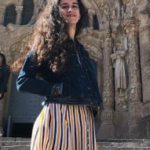
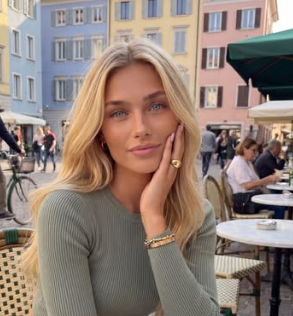
The internet has entered a new era where it is becoming harder to tell the difference between real people and artificial creations. One name that has recently attracted attention across social media platforms is Mia Zelu
Many users first discovered her through stunning photos, travel content, fashion posts and lifestyle updates.
At first glance, she appeared to be another rising influencer building a large online following.
However, there was one major twist. Mia Zelu is not a real person. She is an AI-generated influencer.
As her popularity grew, people started asking questions about who created her, how realistic she is and whether social media users can still trust what they see online.
The discussion quickly expanded beyond Mia herself and became part of a larger debate about artificial intelligence, digital identities and authenticity on the internet.
This article explores who Mia Zelu is, why she became viral, how AI influencers work and what her rise means for the future of social media.

Also Read: Priya Patel Bio: Viral Fame, Controversy and Global Reactions
Table of Contents
Who Is Mia Zelu?
Mia Zelu is an AI-generated virtual influencer who gained significant attention on social media due to her highly realistic appearance and engaging content.1
Unlike traditional influencers, Mia does not exist as a real human being. She is a digital character created using artificial intelligence and advanced image-generation technologies.
Her online presence includes lifestyle photographs, travel content, fashion images and personal-style posts that closely resemble the content shared by human influencers.
Many viewers initially believed she was a real person because of the high quality and realism of her images.
As her audience grew, internet users began discussing whether AI-generated personalities should clearly disclose their artificial nature.
This debate helped push Mia Zelu into the spotlight and made her one of the most talked-about AI influencers online.
The growing popularity of virtual influencers like Mia shows how quickly artificial intelligence is changing digital culture.
What once looked like science fiction is now appearing daily in social media feeds around the world.
Quick Facts
| Details | Information |
|---|---|
| Full Name | Mia Zelu |
| Known For | AI-generated influencer |
| Category | Virtual influencer |
| Content Type | Fashion, lifestyle, travel, social media content |
| Nationality | Digital persona |
| Real Human | No |
| Created Using | Artificial intelligence and digital design tools |
| Main Platforms | Social media channels |
| Viral Reason | Extremely realistic AI-generated content |
| Public Discussion | Authenticity and AI transparency online |
The Rise of AI Influencers
AI influencers are computer-generated personalities designed to interact with online audiences in ways similar to human creators.2
These virtual personalities can post photos, promote brands, share stories and even engage with followers through comments and messages.
The technology behind them combines artificial intelligence, image generation, graphic design and social media management.
The popularity of AI influencers has increased because they offer several advantages:
- They can be available at all times.
- Their appearance can be customized.
- Brands have greater control over content.
- They do not face many challenges associated with celebrity management.
Mia Zelu became part of this growing trend but stood out because of how realistic she appeared. Many people were surprised to learn that the person they were following was not real.

Why Did Mia Zelu Go Viral?
Several factors contributed to Mia Zelu’s viral success.
Realistic Appearance
One of the biggest reasons for her popularity was her realistic appearance. AI image-generation technology has improved dramatically in recent years.
The photos shared by Mia looked similar to professional influencer photography.
Many users could not immediately identify signs that the images were generated by artificial intelligence.
Social Media Curiosity
People are naturally curious about new technology. Once users discovered that Mia was AI-generated, discussions spread rapidly across social media platforms.
Posts questioning her identity received thousands of comments and shares.
Media Coverage
News outlets and technology publications began covering the story. Articles focused on how AI influencers like Mia Zelu are challenging traditional ideas about online authenticity.
As media attention increased, more people searched for information about her.
Debate About Reality
Perhaps the biggest reason for Mia’s popularity was the debate she sparked. Her existence raised important questions:
- Should AI influencers clearly disclose they are artificial?
- Can audiences trust social media content?
- How will AI change influencer marketing?
- What happens when AI becomes indistinguishable from humans?
These discussions helped keep Mia Zelu in the public conversation.

How Is Mia Zelu Created?
Creating a virtual influencer involves multiple technologies and creative processes.
Artificial Intelligence
AI systems generate realistic facial features, body structures, expressions and environments. Modern AI tools can produce images that closely resemble professional photography.
Digital Design
Designers often refine AI-generated images to maintain consistency across posts. This ensures that the virtual influencer maintains the same appearance over time.
Content Strategy
Just like human influencers, virtual influencers require content planning. Posts are created around themes such as travel, fashion, fitness, beauty and lifestyle.
Social Media Management
Behind every AI influencer is usually a team that manages posting schedules, audience engagement and brand partnerships.
The result is a digital personality that can attract followers in much the same way as a human creator.
Also Read: Valentina Gomez: Biography, UK Ban and Political Controversy
Why Are People Fascinated by Mia Zelu?
Mia Zelu represents a major shift in how people think about online personalities.3
For years, social media users assumed that influencers were real people sharing their lives. Mia challenges that assumption.
Many followers became fascinated because she demonstrated how advanced AI technology has become.
The line between reality and digital creation is becoming increasingly difficult to identify.
Others viewed her as an example of creativity and innovation. Some people appreciate virtual influencers because they combine technology, art and storytelling in unique ways.
At the same time, critics worry about transparency and misinformation.
This combination of excitement and concern has fueled public interest in Mia Zelu.
The Debate About Authenticity
The rise of Mia Zelu has reignited conversations about authenticity on social media.
Supporters’ Perspective
Supporters argue that AI influencers are simply a new form of digital entertainment. They believe:
- AI characters can be creative and engaging.
- Virtual influencers are not fundamentally different from fictional characters.
- Brands and audiences can benefit from innovative content.
Critics’ Perspective
Critics raise concerns about transparency. They argue:
- Audiences should always know when content is AI-generated.
- Virtual influencers could contribute to unrealistic beauty standards.
- Some users may be misled if disclosure is unclear.
These concerns have become increasingly important as AI-generated content becomes more realistic.

Mia Zelu and Influencer Marketing
Influencer marketing is a multibillion-dollar industry. The arrival of AI influencers could significantly impact this sector.
Brands are exploring virtual influencers because they offer greater consistency and control compared to traditional influencers.
Potential benefits include:
- Predictable content creation
- Brand-safe messaging
- Lower long-term management costs
- Global audience reach
However, brands must also consider public perception. Consumers often value authenticity and may react negatively if they feel misled.
The success of AI influencers like Mia Zelu will likely influence how companies approach digital marketing in the future.
How AI Influencers Compare to Human Influencers
| Feature | AI Influencer | Human Influencer |
|---|---|---|
| Real Person | No | Yes |
| Physical Existence | No | Yes |
| Content Creation | AI and creative team | Individual creator |
| Availability | 24/7 | Limited |
| Aging Process | None | Natural aging |
| Personal Experiences | Simulated | Real |
| Brand Control | High | Moderate |
| Authenticity Debate | Common | Less common |
| Emotional Connection | Varies | Often stronger |
| Scalability | Very high | Limited |
The Future of Virtual Influencers
Mia Zelu may be only the beginning.
Experts believe virtual influencers will become more sophisticated in the coming years. Future AI personalities may:
- Appear even more realistic
- Create content automatically
- Interact in real time
- Speak multiple languages
- Build stronger audience relationships
As technology improves, the distinction between human and AI creators may become even less obvious.
This trend will likely push social media platforms, brands and regulators to develop clearer guidelines regarding disclosure and transparency.

What Mia Zelu Reveals About the Internet Today
Mia Zelu reflects broader changes happening across the digital world.
Artificial intelligence is now capable of generating realistic text, images, videos and personalities.
As these technologies improve, people will need stronger digital literacy skills to evaluate online content.
Her popularity highlights a simple reality: seeing is no longer enough to confirm that something is real.
The internet is moving into an era where authenticity must often be verified rather than assumed.
For many users, Mia Zelu became a reminder that artificial intelligence is no longer a future concept.
It is already shaping the content people consume every day.
Mia Zelu’s Impact on Social Media Culture
The influence of Mia Zelu extends beyond her own profile.
She has encouraged discussions about:
- AI ethics
- Digital transparency
- Online trust
- Influencer culture
- Future technology trends
Many experts believe that these conversations will become increasingly important as AI-generated content becomes more widespread.
Whether people admire or criticize virtual influencers, it is clear that they are changing the social media landscape.
Mia Zelu has become one of the most visible examples of this transformation.
View this post on Instagram
FAQ’s
Is Mia Zelu a real person?
No. Mia Zelu is an AI-generated virtual influencer created using artificial intelligence and digital design technologies.
Why did Mia Zelu become famous?
She became famous because many people initially believed she was a real influencer. Once users discovered she was AI-generated, discussions about authenticity and artificial intelligence helped her go viral.
What kind of content does Mia Zelu post?
Mia Zelu is known for sharing fashion, lifestyle, travel and influencer-style content similar to what many human creators post on social media.
Who created Mia Zelu?
Public discussions focus mainly on Mia Zelu as a virtual influencer. The creators behind AI influencers are usually teams that combine AI technology, design and social media management.
Are AI influencers becoming more common?
Yes. AI influencers are becoming increasingly common as image-generation technology improves and brands explore new forms of digital marketing.
Can AI influencers work with brands?
Yes. Many AI influencers participate in brand campaigns and promotional partnerships just like human influencers.
Why is Mia Zelu controversial?
Some people believe AI influencers should always clearly disclose their artificial nature. Others worry that highly realistic virtual personalities could make it harder to distinguish real content from AI-generated content.
What does Mia Zelu mean for the future?
Mia Zelu demonstrates how artificial intelligence is transforming social media. Her popularity suggests that virtual influencers may become a larger part of online culture in the future.
Conclusion
Mia Zelu has become one of the most talked-about AI influencers because she challenges traditional ideas about identity and authenticity online.
Her realistic appearance and engaging social media presence captured public attention and sparked conversations about what is real in the digital age.
While supporters view AI influencers as an exciting innovation, critics emphasize the need for transparency and responsible use of artificial intelligence.
Regardless of where people stand in the debate, Mia Zelu represents an important moment in the evolution of social media.
As AI technology continues to advance, virtual influencers will likely become more common and more sophisticated.
Mia Zelu’s rise serves as a glimpse into a future where digital personalities can attract audiences, build communities and influence culture despite not being real people.
For internet users, her story is a reminder that the online world is changing rapidly.
Understanding how AI-generated content works will become increasingly important as the boundary between reality and digital creation continues to blur.
Also Read: Colleen Ballinger Bio: Rise, Controversy and Life After Backlash