
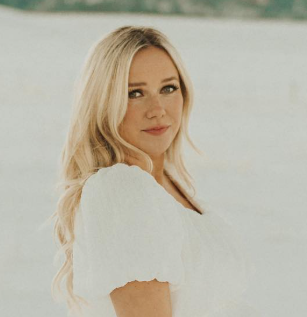
TikTok moves fast. One viral clip can turn an unknown creator into an internet celebrity overnight. Another controversial moment can turn that same creator into one of the most debated personalities online. That is exactly what happened with Natalie Reynolds
Over the last few years, Reynolds has become one of the most talked-about livestream creators on TikTok, Kick and other social media platforms.
Her videos regularly spread across “For You” pages because they combine public pranks, awkward encounters, livestream chaos, emotional reactions and controversy.
Some viewers see her as an entertainer who understands internet culture perfectly. Others believe her content crosses ethical lines for attention and clicks.
Those questions exploded after multiple viral incidents connected to Reynolds circulated online.
One of the biggest controversies involved criticism surrounding a livestream prank that many viewers considered dangerous and irresponsible.
The backlash triggered millions of reactions, reposts, stitched videos and debates across TikTok and X.
At the same time, internet culture itself plays a huge role in her popularity.
Modern TikTok algorithms reward emotional reactions. Videos that make viewers angry, shocked, confused or curious usually perform better than ordinary content.
Natalie Reynolds has become a perfect example of that system.
This article explores who Natalie Reynolds is, how she became famous, why her livestream clips dominate TikTok trends and why the “Is this scripted?” debate continues to grow stronger every month.

Also Read: Valentina Gomez: Biography, UK Ban and Political Controversy
Table of Contents
Who Is Natalie Reynolds?
Natalie Reynolds is an American social media creator known for TikTok videos, livestreams, prank content, reaction clips and controversial public interactions.1
She gained popularity through short-form content that mixed humor, public challenges, lip-sync trends and livestream entertainment.
Her online presence grew rapidly because her videos rarely felt calm or predictable.
Instead, they often featured:
- Public interactions with strangers
- Emotional confrontations
- Livestream chaos
- Shock-value humor
- Viral reaction moments
- Relationship drama
- Rage-bait style content
Many creators rely on polished editing and aesthetic branding.
Reynolds took a different approach. Her content usually feels messy, spontaneous, loud and emotionally intense.
That style works extremely well on TikTok because viewers stop scrolling when something feels unpredictable.
Reports describe Reynolds as a creator from Los Angeles who built her audience through dance videos, lip-sync clips and prank-style content before evolving into livestream-driven internet drama.
As her audience grew, so did the controversies around her content.
Catfishing Tinder date prank gone wrong… pic.twitter.com/Eqqn3Jai8d
— natalie reynolds (@onlynatreynolds) January 12, 2024
Quick Stats
| Category | Details |
|---|---|
| Full Name | Natalie Reynolds |
| Known For | TikTok livestreams and prank content |
| Main Platforms | TikTok, Kick, Instagram |
| Content Style | Public pranks, livestreams, reactions, viral challenges |
| Viral Reputation | Controversial internet personality |
| Major Debate | “Is her content scripted?” |
| Audience Reaction | Mixed between entertainment and backlash |
| Common Criticism | Shock-value content and ethical concerns |
| Growth Strategy | Highly shareable viral moments |
| Trending Reason | Constant reposting of controversial clips |
Why Are Natalie Reynolds Clips Flooding TikTok?
The answer is actually simple: her content is designed for virality.2
TikTok’s algorithm rewards videos that trigger strong reactions.
If viewers comment aggressively, stitch the clip, argue in replies or share it with friends, TikTok pushes the content even further.
Natalie Reynolds content creates exactly that reaction cycle.
Her clips often make viewers feel:
- Shock
- Anger
- Curiosity
- Embarrassment
- Second-hand awkwardness
- Confusion
- Disbelief
That emotional engagement leads to huge reach.
Many creators try to look relatable or inspirational. Reynolds instead leans into controversy and unpredictability.
Even people who dislike her content continue watching because they want to see what happens next.
This creates a loop:
- A controversial clip goes viral
- People repost it
- Reaction creators discuss it
- TikTok users argue in comments
- News websites cover the controversy
- More users search her name
- New clips trend again
That cycle repeats constantly.
Recent controversies surrounding Reynolds generated especially large attention online after videos connected to a prank involving a homeless woman circulated widely.
Reports claimed the situation triggered severe backlash and platform penalties.
The controversy dramatically increased online searches for her name.
The Public-Prank Livestream Formula
One reason Reynolds trends so often is because she uses a content formula that performs extremely well online.
That formula includes:
- Filming in public spaces
- Unexpected social interactions
- High emotional energy
- Tension between strangers
- Embarrassing moments
- Unpredictable outcomes
Livestream culture changed internet entertainment. Older YouTube prank videos were edited carefully before upload.
Livestream creators now broadcast everything in real time. That creates the illusion of authenticity.
Viewers feel like they are watching “real life” instead of scripted entertainment.
Even when audiences suspect something is staged, they still watch because uncertainty itself becomes entertainment.
Natalie Reynolds understood this formula early. Her streams often feel chaotic enough to appear real while remaining dramatic enough to go viral.
That balance keeps audiences hooked.
Why the “Is This Scripted?” Debate Became So Big
The biggest conversation surrounding Reynolds is whether her content is authentic.
TikTok users constantly debate:
- Are the strangers actors?
- Are reactions planned?
- Are emotional moments exaggerated?
- Are livestream conflicts real?
- Is everything designed purely for engagement?
This debate itself fuels more virality.
Modern internet culture rewards ambiguity. If viewers cannot tell whether something is real, they continue discussing it for days.
Some critics believe Reynolds intentionally creates “rage bait” content. Rage bait refers to videos designed specifically to provoke outrage because outrage increases views and engagement.
Reddit discussions about Reynolds repeatedly describe her content as trolling, rage bait or intentionally fake drama created for clicks.
At the same time, many viewers continue watching because they enjoy the chaos regardless of authenticity.
That is an important part of modern social media culture: People no longer need content to be real. They only need it to be entertaining.
The TikTok Algorithm Loves Controversy
TikTok does not simply reward quality. It rewards attention. That means controversial creators often perform better than safe creators.
When Natalie Reynolds trends, users create:
- Reaction videos
- Commentary clips
- Duets
- Stitches
- Memes
- Reposts
- “Explainer” videos
Every reaction becomes free promotion. Even criticism helps her visibility.
This is one reason controversial creators continue growing despite backlash. Negative attention still counts as engagement.
Research about TikTok engagement patterns shows that emotionally charged content often spreads rapidly because users interact with it more aggressively than ordinary posts.
That helps explain why Reynolds clips keep appearing repeatedly across TikTok.
The Difference Between Old Internet Fame and TikTok Fame
Internet fame changed dramatically during the TikTok era.
Older internet celebrities usually built audiences slowly through:
- Consistent uploads
- Long-form content
- Community building
- Clear talent or expertise
TikTok fame works differently.
Today, creators can become famous through:
- One shocking moment
- One controversial livestream
- One meme-worthy reaction
- One dramatic clip
Natalie Reynolds represents this newer form of fame perfectly.
Her popularity is not based on one talent alone. Instead, it comes from her ability to stay constantly visible online.
Visibility is currency on TikTok. Even negative visibility matters.
Why Backlash Sometimes Makes Influencers Bigger
One surprising reality of internet culture is that backlash often increases fame instead of destroying it.
That happened repeatedly with Reynolds. When criticism spreads online, curiosity grows too.
People search:
- “Who is Natalie Reynolds?”
- “What happened?”
- “Why is she trending?”
- “What did she do?”
Those searches increase algorithmic visibility.
News coverage also plays a role. Websites covering influencer controversies introduce creators to entirely new audiences.
Several articles discussing Reynolds’ controversies helped push her name further into mainstream online conversation.
For controversial creators, outrage can become marketing.
The Emotional Breakdown Clips That Went Viral
One major reason Reynolds dominated TikTok conversations was a series of emotional clips showing her crying outside TikTok headquarters after account-related issues.
Those videos spread extremely fast because they contained:
- Public emotion
- High drama
- Platform controversy
- Internet humiliation
- Speculation
Viewers immediately turned the clips into memes, reaction videos and debates. Some people sympathized with her. Others mocked the situation.
Either way, the clips gained millions of views.
Reports connected the viral breakdown clips to backlash following a controversial prank incident and possible account restrictions.
This demonstrates another important truth about TikTok culture: Emotional vulnerability performs extremely well online.
Rage Bait: The Internet’s Favorite Strategy
The phrase “rage bait” appears constantly in discussions about Natalie Reynolds.
Rage bait content is intentionally designed to make viewers angry enough to engage.
Examples include:
- Offensive jokes
- Public embarrassment
- Fake arguments
- Ethical controversies
- Awkward social interactions
Why does rage bait work? Because angry viewers comment more than happy viewers.
TikTok’s system often interprets strong emotional engagement as “valuable content.” That means controversial creators receive massive exposure.
Reddit users discussing Reynolds repeatedly referred to her content as rage bait and trolling behavior meant to maximize attention.
Even viewers who hate the content still help spread it.
Why People Keep Watching Even If They Dislike Her
This is the biggest reason Natalie Reynolds remains relevant.3
People cannot stop watching controversy. Psychologically, controversial content creates curiosity and emotional tension.
Viewers want to know:
- What happens next?
- Will someone react?
- Will the creator face consequences?
- Is the situation real?
That curiosity increases watch time. TikTok heavily rewards watch time. So even negative attention boosts visibility.
Creators like Reynolds understand this perfectly.
How Livestream Culture Changed Influencer Behavior
Livestreaming changed internet entertainment completely.
Unlike edited YouTube videos, livestreams feel immediate and unpredictable. That creates stronger emotional investment from audiences.
Viewers feel:
- More connected
- More involved
- More emotionally reactive
Livestream creators also face pressure to stay entertaining constantly.
That pressure can encourage more extreme behavior because ordinary moments do not trend as easily anymore.
Public prank culture became especially popular because livestream audiences enjoy unpredictability.
Natalie Reynolds built much of her reputation within this environment.
Also Read: Sara Gonzales Biography: Career and H-1B Controversy Explained
The Ethics Debate Around Public Prank Content
Critics argue that creators like Reynolds represent a larger problem in influencer culture.
Common criticisms include:
- Prioritizing views over ethics
- Exploiting strangers for content
- Chasing outrage intentionally
- Turning public humiliation into entertainment
Supporters argue that:
- Viewers choose to watch
- Internet entertainment has always pushed boundaries
- Shock content is part of online culture
- Many clips are exaggerated or staged
This debate is unlikely to disappear anytime soon because platforms continue rewarding controversial engagement.
The Business Side of Viral Controversy
Many viewers forget that controversy can generate enormous revenue.
Viral creators earn money through:
- Platform payouts
- Brand deals
- Livestream donations
- Subscription platforms
- Affiliate promotions
- Increased followers
Even backlash can increase monetization if visibility grows. That creates a strange incentive system where controversy becomes profitable.
Creators who understand internet algorithms can sometimes transform criticism into growth.
Natalie Reynolds appears to understand this attention economy very well.
Why TikTok Keeps Recommending Her Videos
TikTok’s recommendation system focuses heavily on engagement patterns.
If users:
- Rewatch clips
- Comment aggressively
- Share reactions
- Search the creator’s name
- Stitch videos
- Debate authenticity
Then TikTok continues promoting the content.
Reynolds generates all those behaviors constantly.
That is why her clips appear repeatedly even for users who never intentionally followed her.

How Online Fame Creates Internet Characters
Another interesting aspect of Reynolds’ popularity is that viewers increasingly see influencers as characters rather than ordinary people.
Audiences expect:
- Drama
- Storylines
- Conflict
- Emotional moments
- Recurring controversies
Influencers become part reality star and part internet performer. That blurs the line between authenticity and performance.
The “Is this scripted?” debate exists partly because viewers no longer know where performance ends and reality begins.
The Meme Effect
Once an influencer becomes meme-worthy, their content spreads even faster.
Natalie Reynolds clips often become:
- Reaction memes
- Screenshot memes
- Audio trends
- Commentary formats
This multiplies visibility across TikTok, Instagram Reels, YouTube Shorts and X.
Meme culture transforms ordinary controversies into long-lasting internet moments.
Why Gen Z Audiences Engage With This Content
Younger audiences grew up online.
They understand internet irony, trolling culture, rage bait and meme humor instinctively.
Many viewers watch controversial creators with a mix of:
- Entertainment
- Irony
- Criticism
- Curiosity
People may dislike the creator personally while still enjoying the content as internet spectacle.
That complicated relationship helps controversial creators survive repeated backlash cycles.
Can Controversial TikTok Fame Last?
That depends on adaptability. Many viral influencers disappear quickly because controversy alone is not enough long term.
However, creators who continually reinvent viral moments can remain relevant much longer.
Natalie Reynolds continues trending because:
- She constantly creates discussion
- Her clips remain highly shareable
- Viewers debate authenticity nonstop
- Reaction creators keep amplifying her content
As long as that engagement cycle continues, her visibility likely will too.
View this post on Instagram
FAQ’s
Why is Natalie Reynolds trending on TikTok?
She trends because her livestreams and public prank videos create strong reactions online. Her clips often generate controversy, debates, reposts and reaction videos which increases algorithmic visibility.
What is Natalie Reynolds known for?
She is known for TikTok livestreams, public prank content, viral controversies and emotionally intense online moments.
Why do people think her content is scripted?
Many viewers believe her interactions appear exaggerated or intentionally dramatic for engagement. Online discussions frequently describe her content as rage bait or performance-based entertainment.
What controversy made Natalie Reynolds go viral recently?
One major controversy involved backlash over a livestream prank connected to a homeless woman and a lake challenge. The incident triggered widespread criticism online.
Did Natalie Reynolds get banned from TikTok?
Reports and viral clips suggested account restrictions or bans connected to controversies surrounding her content.
Why do controversial TikTok creators grow so fast?
TikTok rewards engagement. Content that creates strong emotional reactions often spreads faster than ordinary videos.
What is rage bait?
Rage bait is content intentionally designed to provoke anger or outrage because angry viewers comment and share more frequently.
Why do people continue watching creators they dislike?
Curiosity and emotional reactions keep viewers engaged. Controversial content creates suspense and discussion which increases watch time.
Conclusion
Natalie Reynolds represents a new era of internet fame where controversy, livestream chaos, emotional reactions and algorithm-driven virality all combine into one nonstop cycle.
Her clips flood TikTok because they trigger exactly the kind of engagement modern platforms reward most.
Whether viewers love her, hate her, criticize her or mock her, they continue watching and interacting.
That interaction keeps her content spreading.
The “Is this scripted?” debate also plays a major role in her popularity.
Audiences are fascinated by creators who blur the line between reality and performance.
In today’s social media culture, uncertainty itself becomes entertainment.
Natalie Reynolds may remain controversial but her rise says something larger about modern internet culture.
Viral fame today is not always built on admiration. Sometimes it is built on outrage, curiosity, confusion and nonstop online conversation.
As TikTok continues rewarding emotionally charged content, creators like Reynolds will likely remain impossible to ignore.
Also Read: Onision Biography: Rise, Controversy and Current Online Activity