
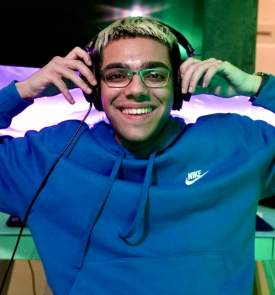
The livestreaming world moves fast. One week a creator is trending for a funny clip. The next week they are facing backlash, platform drama or public criticism. Few creators represent this cycle better than N3on, also known online as Neon
Over the past few years, Neon has become one of the most talked-about livestream personalities on the internet.
He built a massive audience through loud reactions, chaotic livestreams, celebrity collaborations and controversial moments that spread quickly across TikTok, X, YouTube Shorts and Instagram Reels.
His content style thrives on unpredictability. Fans tune in because almost anything can happen during a stream.
Recently, however, Neon has faced growing criticism tied to public arguments, livestream incidents, platform controversies and accusations that his content crosses the line between entertainment and harmful behavior.
At the same time, his popularity continues to rise. That strange combination has made Neon one of the clearest examples of a modern “hate-watch” internet celebrity.
Many viewers openly admit they watch him not because they support him but because they expect drama.
Every explosive interaction becomes another viral clip. Every controversy creates more attention.
In today’s creator economy, outrage often fuels engagement.
This article explores who Neon is, why he became famous, what controversies recently pushed him back into headlines and how livestream culture rewards chaos. It also explains why audiences continue watching controversial streamers even while criticizing them online.

Also Read: Who Is Alex Stein? Full Bio, Viral Moments and Latest Controversy
Table of Contents
Who Is N3on?
N3on, whose real name is Rangesh Mutama, is an American livestreamer and online creator best known for gaming streams, IRL content, celebrity collaborations and highly emotional reactions.1
He first gained attention through NBA 2K videos and gaming content before transitioning into livestream entertainment.
Over time, Neon evolved from a gaming creator into a personality-driven streamer.
Instead of focusing mainly on gameplay, his streams began revolving around public interactions, arguments, prank-style moments, influencer collaborations and unpredictable real-life situations.
His popularity exploded during the rise of livestream clipping culture. Small moments from long streams started going viral across social media.
These clips often showed screaming arguments, awkward encounters, emotional breakdowns or shocking public incidents.
Even viewers who never watched full streams still recognized Neon from viral clips.
Business Insider recently described Neon as one of the most successful creators using “calculated chaos” as an entertainment strategy.
The report explained how short viral clips helped turn him into one of Kick’s most recognizable livestream personalities.
Neon has also collaborated with major internet personalities and streamers connected to the modern livestream ecosystem.
His name is often associated with creators like Adin Ross and other high-energy streaming personalities who dominate viral internet culture.
As a result, Neon’s influence spread far beyond his live audience.
Merry Christmas🎄💚 I’m a simp… pic.twitter.com/uwipVNxRvF
— N3on (@N3onOnYT) December 25, 2023
How Neon Became Famous
Neon’s rise reflects how internet fame works in the livestream era. Traditional YouTubers often build audiences through edited videos and long-term storytelling.
Livestream creators operate differently. They create hours of live content daily while fans clip the most dramatic moments and repost them everywhere. Neon understood this system early.
Instead of trying to appear polished, he leaned into emotional reactions and controversial behavior. His loud personality made clips highly shareable. Even negative reactions helped his visibility.
According to Business Insider, Neon’s streams regularly generate viral moments because clip pages distribute dramatic highlights across multiple platforms.
This “clip economy” became one of the biggest reasons for his rapid growth.
A five-hour livestream may only contain one shocking argument or unexpected public moment. But that single moment can reach millions through reposted clips on TikTok or Instagram.
Quick Stats
| Category | Details |
|---|---|
| Real Name | Rangesh Mutama |
| Online Name | Neon / N3on |
| Profession | Livestreamer and Content Creator |
| Main Platforms | Kick, YouTube, Instagram |
| Content Type | IRL streams, gaming, reactions, public challenges |
| Known For | Viral controversies and chaotic livestream moments |
| Streaming Style | Loud, reactive, unpredictable |
| Audience Reputation | Strong fanbase mixed with large hate-watch audience |
| Major Topics Around Him | Livestream controversies, public backlash, online drama |
| Viral Growth Source | Short-form clips and social media reposts |
Why Neon Is Always Surrounded by Controversy
Controversy is not accidental in modern livestream culture. In many cases, controversy becomes part of the entertainment itself.2
Neon’s content regularly places him in situations where conflict is likely.
He streams in public spaces, interacts with strangers, argues with other creators, reacts emotionally on camera and constantly pushes for viral moments.
Critics argue that this creates a cycle where drama becomes the product. Supporters say his streams are entertaining because they feel unpredictable and authentic.
Critics say the content encourages toxic behavior because creators are rewarded financially whenever controversy trends online.
Business Insider noted that Neon himself admitted he previously chased success through obnoxious behavior and internet drama.
This honesty became important because many viewers already suspected that some livestream conflicts were designed for engagement.
Still, whether moments are fully authentic or partially exaggerated, the result remains the same: viral attention.
Recent Ban and Backlash Discussions
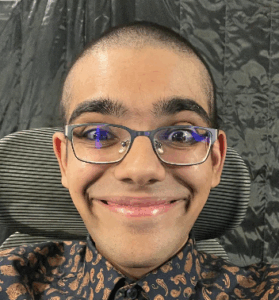
One major reason Neon has recently returned to headlines involves public backlash connected to livestream incidents and online arguments.
A widely discussed controversy involved clips from Australia where Neon appeared in a heated interaction with local people during a livestream.
The footage spread quickly online and triggered criticism across social media platforms.
Many viewers argued that streamers increasingly provoke uncomfortable public situations because outrage creates more engagement.
The controversy also restarted broader conversations about livestream moderation and creator responsibility.
Although Neon was not alone in facing criticism, his name became part of a larger discussion surrounding controversial livestream culture on platforms like Kick.
Kick itself has faced repeated criticism over moderation policies. Reports and public discussions often compare the platform’s rules with stricter moderation systems used elsewhere.
Because of this environment, creators known for controversial content frequently migrate there or gain larger audiences there.
The Explosive Livestream Formula
Neon’s content strategy follows a formula that has become extremely common in livestream culture:
- Create high emotional energy
- Stream for long periods
- Generate unpredictable moments
- Encourage audience reactions
- Let clips spread across social media
This model rewards intensity. Calm conversations rarely go viral. Emotional reactions do.
That is why livestream culture increasingly favors creators who create tension, confrontation or shocking public interactions.
Researchers studying livestream communities have noted that audience participation and real-time reactions create a different environment from traditional social media.
Because viewers react instantly, creators are constantly incentivized to maintain excitement. Neon became extremely successful within this system.
The Rise of “Hate-Watching”
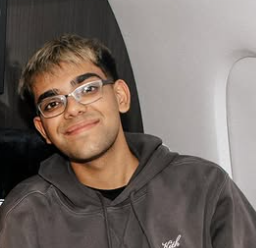
One of the most interesting parts of Neon’s popularity is the size of his hate-watch audience.
A hate-watch audience consists of viewers who continue watching a creator despite disliking them. Sometimes viewers even follow creators specifically to criticize them.
In older media, controversial celebrities often lost audiences after scandals. Modern livestream culture sometimes works differently.
Criticism itself creates visibility. When viewers repost clips to mock a creator, they still help distribute content.
Algorithms reward engagement regardless of whether reactions are positive or negative.
Neon’s streams frequently trend because audiences debate his behavior online. Some people defend him. Others criticize him harshly. Both sides increase visibility.
This explains why controversy can actually increase creator popularity.
Why Viral Drama Keeps Working
There are several reasons why controversial livestreamers continue growing online.
1. Audiences Want Unpredictability
Viewers often describe livestreams as more exciting than edited videos because anything can happen live. This unpredictability keeps people watching.
2. Social Media Rewards Emotion
Platforms heavily promote emotional content because it generates comments, shares and reactions. Anger spreads fast online.
3. Clip Culture Amplifies Everything
A short controversial clip can spread faster than a full explanation. Most viewers only see highlights.
4. Viewers Become Part of the Drama
Livestream chats create real-time participation. Audiences feel involved in the action.
5. Outrage Creates Curiosity
People often watch controversial creators simply to understand why others are upset. That curiosity increases views.
Neon and the Modern Kick Streaming Scene
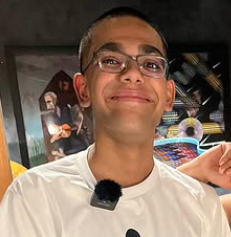
Neon’s rise is also connected to the growth of Kick.
Kick became known for attracting creators who wanted fewer restrictions and better revenue opportunities. The platform’s aggressive creator payouts helped it compete against Twitch.
However, Kick also became controversial because critics believed moderation policies were too loose.
Several controversial streamers either joined or became heavily associated with the platform. Names like Adin Ross and other viral personalities frequently appeared in discussions about Kick’s creator ecosystem.
Neon benefited from this environment because his content style matched the platform’s culture of high-energy livestream entertainment.
Public Perception of Neon
Public opinion about Neon is extremely divided.3
Some viewers see him as an entertaining internet personality who understands viral culture better than most creators.
Others believe his streams encourage toxic behavior and reward negative attention.
This split audience is part of what keeps him trending.
Supporters praise:
- His confidence
- His energy
- His ability to create viral moments
- His consistency as a streamer
Critics point to:
- Public arguments
- Shock-value behavior
- Controversial livestream incidents
- Online toxicity
The internet often treats creators like Neon as both entertainers and ongoing reality shows. People keep watching to see what happens next.
Attempts to Rebuild His Image
Interestingly, Neon has recently suggested he wants to shift away from constant negativity.
Business Insider reported that he has tried focusing more on sports collaborations, long-form content and business opportunities while moving away from purely chaotic content.
He also discussed lifestyle changes and attempts to become more disciplined.
However, changing public perception is difficult once controversy becomes central to a creator’s brand.
Many viewers still primarily associate Neon with livestream drama.
Also Read: Joel Webbon Biography: Controversy, Backlash and Trolling Wave
Livestream Culture and Platform Responsibility
The discussion around Neon also reflects a larger internet issue: How much responsibility should platforms have for creator behavior?
Research into livestream moderation shows that real-time content creates unique challenges.
Harmful behavior spreads quickly during live broadcasts because moderation cannot always react instantly.
Some experts believe livestream platforms need stronger moderation systems. Others argue that audiences should decide what content succeeds.
The debate becomes more complicated because controversial creators often generate enormous traffic and engagement.
Platforms benefit financially from viral attention even when controversies create backlash.
The Economics Behind Controversy
Controversy is profitable online. Neon’s career demonstrates how livestream creators can earn money through:
- Platform payments
- Sponsorships
- Viral clips
- Donations
- Subscriptions
- Brand deals
- Gambling-related partnerships
- Social media growth
Business Insider reported that Neon claimed he could earn extremely large monthly amounts through streaming partnerships and creator programs. This financial success explains why controversial content remains common.
As long as viral outrage produces views and revenue, creators have incentives to continue pushing boundaries.
Why Younger Audiences Connect With Streamers Like Neon
Younger audiences often prefer livestream creators because streams feel less scripted than traditional entertainment.
Viewers enjoy:
- Real-time reactions
- Direct interaction
- Unfiltered conversations
- Community participation
- Spontaneous humor
Neon’s streams feel raw and unpredictable. That creates emotional engagement even when viewers disagree with his behavior.
Many younger fans also grew up during the rise of influencer culture where internet personalities became larger than traditional celebrities.
For these audiences, streamers are not just entertainers. They are internet personalities followed daily like reality television stars.
The Psychological Side of Hate-Watching
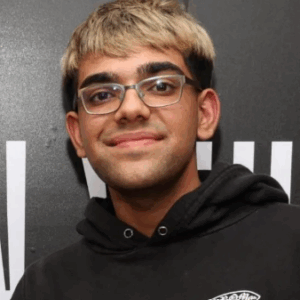
Hate-watching is not new but livestreaming intensified it. People often continue watching creators they dislike because:
- They want to criticize them
- They enjoy internet drama
- They fear missing viral moments
- They become emotionally invested
- They watch ironically
Algorithms cannot easily distinguish between supportive engagement and angry engagement.
Both help content spread. That is why creators surrounded by backlash can still grow rapidly.
Can Neon Escape the Controversy Cycle?
This is the biggest question surrounding Neon’s future.
Creators built on controversy often struggle to transition into mainstream entertainment because audiences expect chaos from them.
If streams become calmer, some viewers lose interest. If controversies continue, backlash grows stronger.
Neon appears caught between these two realities:
- wanting broader success
- while also depending on viral drama for visibility
Whether he successfully changes his image remains unclear.
The Future of Livestream Entertainment
Neon represents a larger shift happening across online entertainment. Livestream culture increasingly rewards:
- instant reactions
- emotional conflict
- public spectacle
- unpredictability
- constant engagement
This trend likely will not disappear soon because social media algorithms heavily favor highly emotional content.
As livestreaming continues growing, creators like Neon will probably remain central figures in internet culture debates.
Some audiences will continue supporting them. Others will continue criticizing them. Millions will continue watching either way.
View this post on Instagram
FAQ’s
Who is Neon?
Neon, also known as N3on, is livestream creator Rangesh Mutama. He became famous through gaming streams, IRL content, viral reactions and controversial livestream moments.
Why is Neon so controversial?
Neon is controversial because his streams often include public arguments, emotional outbursts, risky behavior and viral incidents that spark online backlash.
What platform does Neon stream on?
Neon is strongly associated with Kick, though clips from his content spread across YouTube, Instagram, TikTok and X.
What is hate-watching?
Hate-watching happens when viewers continue watching a creator even though they dislike them. Many controversial streamers attract audiences who watch mainly for drama.
Why do Neon clips go viral?
His clips go viral because they are emotional, unpredictable and easy to repost across short-form video platforms.
Has Neon faced bans or backlash?
Neon has faced repeated backlash related to livestream incidents and controversial public interactions. Several moments have triggered criticism online and discussions about creator behavior.
Why do controversial streamers stay popular?
Controversial creators remain popular because social media algorithms reward engagement. Even criticism and outrage help content spread.
Is Neon trying to change his image?
Recent interviews suggest Neon wants to focus more on business opportunities, sports collaborations and less toxic content.
Conclusion
N3on has become one of the clearest examples of how modern internet fame works. His rise shows how livestream culture rewards intensity, unpredictability and controversy.
Every explosive clip increases visibility. Every backlash cycle creates more discussion. Even critics help spread the content they condemn.
That dynamic created a massive hate-watch audience around Neon. Many viewers no longer watch simply for entertainment.
They watch to witness chaos unfold in real time.
At the same time, Neon’s popularity reflects deeper changes in digital media. Livestreaming transformed audiences from passive viewers into active participants.
Fans react instantly, clip moments instantly and spread drama instantly.
Whether Neon successfully changes his public image or remains trapped inside the controversy cycle, his influence on modern livestream culture is undeniable.
He represents a generation of internet creators whose careers are built not only on fandom but also on outrage, criticism, viral conflict and nonstop online attention.
In today’s internet economy, being controversial can sometimes be more valuable than being universally liked.
Also Read: Klaudia Zakrzewska Bio: Age, Career and London Crash Details