

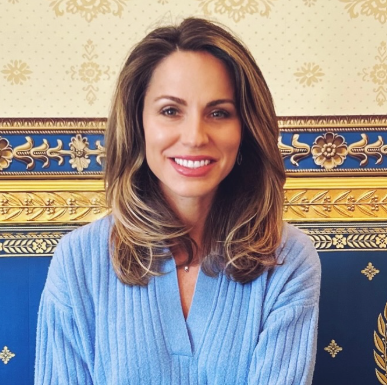
In 2026, one name has quickly moved from medical circles into mainstream political and media headlines “Nicole Saphie”, a practicing physician, author and frequent television commentator
Saphier is now at the center of a major national debate after being nominated for one of the most influential public health roles in the United States: U.S. Surgeon General.
Her nomination by Donald Trump has sparked intense discussion across political, medical and public health communities.
Supporters describe her as a strong communicator who can reach audiences often skeptical of public health messaging.
Critics argue that her past statements on vaccines, COVID-19 policies and social issues raise concerns about her suitability for the role.
The situation has only intensified due to resurfaced past remarks and shifting political dynamics.
The controversy is not just about one person. It reflects deeper divisions in American healthcare, public trust in science and the role of politics in medicine.
This article explains who Nicole Saphier is, why she is trending, what the controversy is about and what her nomination could mean for the future of public health.

Also Read: Gabrielle Carrington Bio: The Story Behind the Controversial Case
Table of Contents
Who Is Nicole Saphier?
Nicole Saphier is a board-certified radiologist specializing in breast imaging.1
She currently works at Memorial Sloan Kettering Cancer Center and has built a reputation in both medicine and media.
Saphier gained public visibility through her appearances on television, especially as a medical commentator.
She has also written books focused on health policy, lifestyle and personal responsibility.
According to reports, she has emphasized prevention, early cancer detection and lifestyle changes as key components of healthcare.
Dr. Nicole Saphier is a long-time warrior for the MAHA movement. She has worked closely with patients facing breast cancer and understands the importance of early detection and prevention. That experience is essential as we take on the chronic disease epidemic and put prevention… https://t.co/B33u6w5S1j
— Secretary Kennedy (@SecKennedy) April 30, 2026
Stats Table
| Category | Details |
|---|---|
| Full Name | Nicole B. Saphier |
| Profession | Radiologist, Author, Media Contributor |
| Specialty | Breast Imaging |
| Workplace | Memorial Sloan Kettering Cancer Center |
| Media Role | Former Fox News contributor |
| Known For | Public health commentary, books, podcast |
| Political Alignment | Conservative-leaning public views |
| Nomination | U.S. Surgeon General (2026) |
Why Is Nicole Saphier in the Headlines?
The main reason Nicole Saphier is trending is her nomination for U.S. Surgeon General, a position that acts as the leading public voice on health issues in the country.
A Controversial Nomination Process
Her nomination came after two previous candidates failed to secure support:
- Casey Means — faced criticism over qualifications and vaccine stance
- Janette Nesheiwat — earlier nominee withdrawn
Saphier became the third nominee, highlighting political challenges in filling the role.
Why This Matters
The Surgeon General is not just a symbolic role.
It shapes national health messaging on:
- Vaccination campaigns
- Disease prevention
- Public health emergencies
- Lifestyle and wellness
Because of this influence, every statement and belief of a nominee is closely examined.
Stat Table: Public Health Context
| Topic | Statistic | Significance |
|---|---|---|
| Vaccine Hesitancy | Rising in several regions | Affects disease control |
| COVID-19 Impact | Millions affected globally | Changed public health trust |
| Preventable Diseases | Increasing in some areas | Linked to vaccination rates |
| Media Influence | High in health communication | Shapes public opinion |
| Political Polarization | Increasing | Impacts health policy decisions |
Breaking News: What Sparked the Debate?
Recent news coverage reveals several reasons why her nomination has become controversial:
1. Past Statements on Vaccines
Saphier has raised questions about routine childhood vaccine schedules and has expressed skepticism about certain mandates.
Although she has acknowledged that research does not support a link between vaccines and autism, her openness to alternative schedules has raised concerns among public health experts.
2. COVID-19 Policy Criticism
She has criticized aspects of pandemic management, including:
- Government mandates
- Public health messaging
- Restrictions during COVID-19
These views have made her popular with some audiences but controversial among others.
3. Social and Cultural Views
Reports indicate that she has:
- Opposed gender-affirming healthcare for minors
- Framed certain identity issues as mental health concerns
These views have drawn criticism from advocacy groups and medical professionals.
4. Resurfaced Social Media Posts
Old posts criticizing President Trump have resurfaced, leading to accusations of inconsistency.
Some critics question whether her views have shifted for political reasons.

Supporters vs Critics: A Divided Response
The reaction to Saphier’s nomination has been sharply divided.2
Supporters Say:
- She is a practicing physician with real clinical experience
- She communicates well with skeptical or underserved audiences
- She can bridge gaps between public health and conservative communities
- She supports personal responsibility in health
Some former officials have even called her a strong communicator capable of expanding public health outreach.
Critics Say:
- Her vaccine-related statements could fuel hesitancy
- She has politicized public health issues
- Her views may not align with scientific consensus
- Her media presence raises concerns about bias
Critics argue that public trust in health institutions is already fragile and her nomination could deepen divisions.

The Bigger Issue: Public Health vs Politics
Nicole Saphier’s nomination is not happening in isolation. It reflects a broader tension between science and politics.
Key Questions Being Asked
- Should public health leaders take strong political positions?
- Is communication more important than strict adherence to consensus?
- Can someone appeal to skeptical audiences without undermining science?
These questions are central to the debate.
Her Views on Healthcare Policy
Saphier has consistently emphasized personal responsibility over government intervention.
She has:
- Opposed “Medicare for All”
- Highlighted lifestyle factors in chronic disease
- Criticized government inefficiencies in healthcare
Her philosophy aligns with a more conservative approach to healthcare, focusing on individual choices rather than systemic reforms.
Role of Media in Her Rise
A key factor behind Saphier’s prominence is her media presence.
She has:
- Appeared frequently on television
- Hosted a podcast
- Written opinion pieces
This visibility has made her a recognizable figure, but also a polarizing one.
In modern politics, media exposure often plays a major role in nominations. Saphier’s case is a clear example of that trend.

Vaccine Debate: The Core Controversy
Perhaps the most important issue in this debate is vaccination.
What She Has Said
- Supports vaccines in general
- Questions aspects of the schedule
- Opposes strict mandates
Why It Matters
Vaccination policy is central to public health. Any ambiguity from a Surgeon General can influence:
- Public trust
- Vaccination rates
- Disease prevention
Experts worry that even small doubts can have large consequences.
COVID-19 and Public Trust
The COVID-19 pandemic changed how people view health authorities.
Saphier’s criticism of pandemic policies resonates with some people who:
- Distrust government mandates
- Believe restrictions went too far
- Want more personal choice
However, others argue that such views can undermine preparedness for future crises.
Also Read: Sara Gonzales Biography: Career and H-1B Controversy Explained
The Political Context on Saphier’s Nomination
Her nomination also reflects internal divisions within political movements.3
For example:
- She has criticized some anti-vaccine figures
- Yet she aligns with broader health reform narratives
This balancing act makes her both a compromise candidate and a controversial one.
What Happens Next?
The next step is the Senate confirmation process.
During this process:
- Senators will question her views
- Experts will testify
- Public opinion will play a role
Given the current debate, her confirmation is expected to be closely watched.
Possible Outcomes
If Confirmed
- She becomes a key public health voice
- Messaging may shift toward personal responsibility
- Outreach to skeptical communities may increase
If Rejected
- Another nominee will be needed
- Political tensions may rise further
- Public health leadership may remain uncertain

Why This Story Matters Globally
Even outside the United States, this story is important.
The Surgeon General’s influence extends to:
- Global health messaging
- International collaborations
- Pandemic response strategies
Countries around the world watch U.S. health leadership closely.
Expert Opinions to Saphier’s Approach
Experts remain divided.
Some argue that:
- Communication is key to improving public health
- Saphier’s approach could reach new audiences
Others believe that:
- Consistency with scientific consensus is essential
- Any deviation could be harmful
View this post on Instagram
FAQ’s
1. Who is Nicole Saphier?
Nicole Saphier is a board-certified radiologist, author and media contributor known for her work in breast imaging and public health commentary.
2. Why is she trending in 2026?
She is trending because she has been nominated for U.S. Surgeon General, sparking debate over her views and past statements.
3. What are her views on vaccines?
She supports vaccines but has questioned certain schedules and mandates, which has caused controversy.
4. Why are her past statements controversial?
Her comments on COVID-19 policies, vaccines and social issues have been criticized by some experts and advocacy groups.
5. What is the role of the Surgeon General?
The Surgeon General is the leading public health spokesperson in the United States and advises on health issues.
6. Has she worked in media?
Yes, she has been a contributor on television and hosts a podcast focused on health topics.
7. What are the main criticisms against her?
Critics argue that her views could undermine trust in public health and conflict with scientific consensus.
8. What do supporters say about her?
Supporters highlight her communication skills and ability to reach audiences that often distrust public health institutions.
9. What happens next in her nomination?
She must go through Senate confirmation, where her views and qualifications will be examined.
10. Could she become Surgeon General?
Yes, but it depends on whether she secures enough support during the confirmation process.
Final Thoughts
Nicole Saphier’s nomination is more than a political story.
It is a reflection of how healthcare, media and politics intersect in today’s world.
Her supporters see a communicator who can rebuild trust. Her critics see a risk to scientific integrity.
The outcome of this debate will likely shape the future of public health messaging in the United States.
Also Read: Colleen Ballinger Bio: Rise, Controversy and Life After Backlash