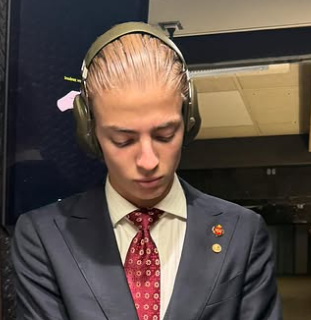
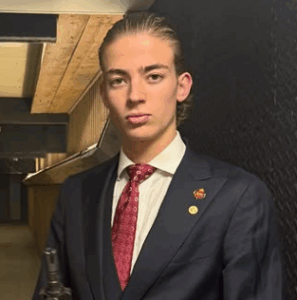
Social media influencers often build their brands around wealth, luxury and exclusivity. Over the last few years viewers have become more skeptical about whether everything they see online is actually real. That conversation exploded again after French streamer PrinceofParis went viral for all the wrong reasons
The internet personality became the center of controversy after an Airbnb host reportedly interrupted one of his livestreams mid-stream.
The awkward moment quickly spread across X and other platforms.
Suddenly viewers began questioning whether his famous “castle life” image was genuine or simply staged content for attention and followers.
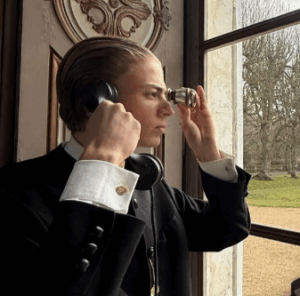
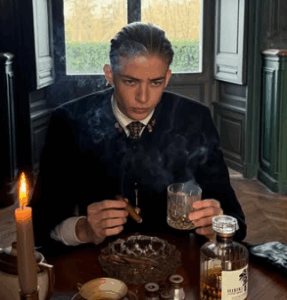
For months PrinceofParis had presented himself as someone living a glamorous life inside a luxurious French castle.
His streams featured elegant interiors, expensive aesthetics, stylish outfits and a calm high-status vibe that attracted viewers fascinated by luxury culture. However, the viral interruption changed public perception almost overnight.
The clip triggered debates across social media about influencer authenticity.
Some people accused him of faking his entire lifestyle while others argued that renting luxury properties for content is common in the creator industry and does not automatically mean fraud.
Since the incident the mystery around PrinceofParis has only grown bigger because the streamer reportedly went silent online after the controversy exploded.
This article explores who PrinceofParis is, what happened during the viral livestream, why the internet is questioning his “castle life” persona and what this controversy says about influencer culture in 2026.
Also Read: Joel Webbon Biography: Controversy, Backlash and Trolling Wave
Table of Contents
Who Is PrinceofParis?
PrinceofParis is a French livestream personality and social media creator who became known online through luxury-themed content.1
He built an image centered around sophistication, wealth and an elite European lifestyle.
His content usually focused on:
- Streaming from elegant locations
- Showing high-end interiors
- Presenting a calm luxury aesthetic
- Creating an image of exclusivity
- Interacting with fans during live sessions
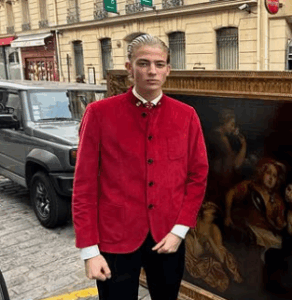
Many viewers believed he lived in an expensive French castle or estate because of the locations featured in his videos and livestreams.
This “castle life” branding became one of the biggest reasons behind his growing popularity online.
Unlike gaming-focused streamers who rely on gameplay or comedy, PrinceofParis leaned heavily into visual presentation and lifestyle branding.
His content gave followers a fantasy-like look into a rich European lifestyle that many found aspirational.
However, the recent viral incident completely changed the way audiences looked at his content.
Rewrite fate, Save Persia… or Die trying.
Play now 👉 https://t.co/3LB4vuVaLp pic.twitter.com/yhTgvDeL9n— Prince of Persia™ (@princeofpersia) August 20, 2025
Quick Stats
| Category | Details |
|---|---|
| Real Name | Not publicly confirmed |
| Online Name | PrinceofParis |
| Nationality | French |
| Profession | Streamer and social media creator |
| Known For | Luxury lifestyle livestreams |
| Viral Incident | Airbnb host interruption during livestream |
| Main Controversy | Questions about fake luxury lifestyle |
| Signature Persona | “Castle life” content |
| Platforms | Livestreaming and social media platforms |
| Current Public Status | Limited activity after controversy |
The Viral Livestream Incident Explained
The controversy began during a livestream that initially looked like a normal broadcast from PrinceofParis. He appeared to be streaming from the luxurious property that many viewers believed was his residence.2
Everything changed when an unexpected person reportedly arrived at the property during the live broadcast.
According to reports and viral clips shared online, a person believed to be an Airbnb host interrupted the stream and appeared to discuss issues connected to the property rental.
PrinceofParis quickly became nervous and abruptly ended the livestream. That sudden reaction immediately sparked suspicion among viewers.
The moment spread rapidly across social media because audiences interpreted the interruption as proof that the luxury property may not actually belong to him.
Many internet users began asking questions such as:
- Was the castle rented only for content?
- Did he actually live there?
- Was his entire online image manufactured?
- Did viewers misunderstand the situation?
- Was the controversy exaggerated online?
Within hours clips from the stream were circulating across X, TikTok, Reddit and streaming communities.
The internet quickly turned the incident into one of the most talked-about influencer controversies of the week.
Why People Think the Lifestyle Was Fake
There are several reasons why viewers became suspicious after the livestream incident.
1. The Airbnb Host Interruption
The biggest reason is obviously the interruption itself. If the property really belonged to PrinceofParis, viewers questioned why an Airbnb host would suddenly appear during the stream.
Reports suggested the person may have been discussing the rental or lease arrangement connected to the property.
That detail fueled speculation that the “castle” was only temporarily rented for content creation.
2. The Abrupt Ending
Viewers also focused on how quickly the stream ended.
Instead of calmly explaining the situation, PrinceofParis reportedly rushed to shut everything down almost immediately.
Many online users interpreted that reaction as panic. On social media, people argued that someone with nothing to hide would not suddenly end the stream so quickly.
Of course, supporters argued that anybody would panic if interrupted during a livestream in a private setting.
3. The Luxury Influencer Trend
Another reason the controversy spread so fast is because audiences are already skeptical about luxury influencers.
In recent years many creators have been accused of:
- Renting luxury cars for photos
- Using borrowed mansions
- Filming inside Airbnb properties
- Pretending to own expensive items
- Creating fake millionaire lifestyles
Because of that existing distrust, viewers were ready to believe the worst once the PrinceofParis clip appeared online.
4. Silence After the Incident
Reports claimed PrinceofParis stopped posting or livestreaming immediately after the controversy exploded.
That silence made speculation even stronger. On the internet silence is often interpreted as guilt even when there may be other explanations.
Some fans believed he disappeared because he was embarrassed while critics claimed the silence confirmed the accusations.
Was the Luxury Lifestyle Completely Fake?
At this point there is still no confirmed evidence proving that PrinceofParis completely fabricated his lifestyle.
That is an important distinction. The viral clips created massive suspicion but much of the internet discussion remains speculation.
Even some viewers admitted there is not enough verified information to know the full truth.
There are several possibilities:
He Rented Luxury Locations for Content
This is probably the most common theory online.
Many influencers rent expensive spaces for photoshoots, videos or temporary streams.
In the creator economy this practice is surprisingly common and not technically illegal or unusual.
If that happened here, the issue may be more about audience perception than actual deception.
Viewers Assumed Ownership
Another possibility is that fans simply assumed the castle belonged to him even if he never directly claimed ownership.
Luxury creators often blur the line between “living somewhere” and “creating content somewhere.”
The Situation Was Misunderstood
Some viewers believe the internet overreacted.
Without full context from PrinceofParis himself it is impossible to know exactly what the Airbnb host said or what the arrangement actually was.
Viral clips often remove important details and social media can easily amplify assumptions.
Why This Story Went So Viral
The PrinceofParis controversy exploded because it combined several internet trends at once.
Influencer Authenticity
Modern audiences are obsessed with discovering whether influencers are “real” or “fake.”
Whenever a creator known for wealth gets exposed or embarrassed publicly, the internet reacts immediately.
Livestream Chaos
Unexpected livestream moments always spread quickly online because viewers feel like they are witnessing something unscripted.
Unlike edited YouTube videos, livestreams feel more authentic.
That makes accidental interruptions especially powerful.
Luxury Fantasy Culture
People are fascinated by luxury lifestyles even when they criticize them.
Viewers enjoy watching glamorous content but also enjoy uncovering potential deception behind it.
That mix creates huge viral engagement.
Social Media Detective Culture
Modern internet users love investigating viral mysteries.
Within hours people were analyzing screenshots, clips, room details and property aesthetics trying to prove whether the castle was real or rented.
The Bigger Conversation About Fake Influencer Lifestyles
The PrinceofParis controversy reflects a much larger issue across social media. Today many creators build entire careers around appearances.
Expensive backgrounds, designer fashion, luxury travel and elite aesthetics attract attention because audiences associate them with success.
However, social media rarely shows the full reality behind the scenes.
Some influencers:
- Borrow luxury items
- Rent expensive properties
- Stage photoshoots
- Lease vehicles temporarily
- Film content in locations they do not own
That does not necessarily mean every creator is lying. Content creation itself often involves presentation and branding.
The problem begins when audiences feel intentionally misled.
The PrinceofParis situation reignited debates about whether influencers have a responsibility to clearly separate reality from entertainment.
How Social Media Reacted
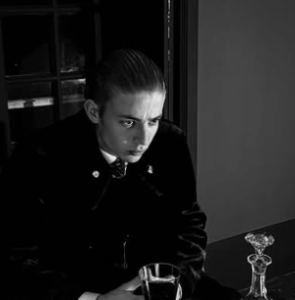
Social media reactions were divided into several camps.
Critics
Critics mocked the streamer and accused him of building a fake persona for clout and followers.
Many posts joked about “Airbnb billionaire energy” and “castle rental influencer culture.”
Some users claimed the incident proved social media luxury culture is mostly performance.
Supporters
Supporters argued the backlash was unfair.
They pointed out that:
- Renting filming locations is common
- Creators deserve privacy
- The clip lacked full context
- Luxury branding is part of entertainment
Some fans even argued the internet became too obsessed with “exposing” influencers.
Neutral Observers
Others simply found the situation entertaining.
To many viewers the clip represented classic livestream chaos rather than a serious scandal.
Why Luxury Influencers Face More Scrutiny Today
In 2026 audiences are far more skeptical than they were a few years ago. Several factors changed how viewers see influencers:
Economic Frustration
As living costs increase globally many people feel disconnected from flashy online wealth culture.
That makes viewers more critical of influencers showing excessive luxury.
Exposure Culture
Social media rewards “exposing” people.
Accounts dedicated to influencer investigations regularly gain millions of views by uncovering inconsistencies in online personas.
Audience Maturity
Internet audiences are becoming more media-aware.
Viewers now understand how staging, branding, editing and rentals work inside the creator economy.
Also Read: Gabrielle Carrington Bio: The Story Behind the Controversial Case
Could This Hurt PrinceofParis Long-Term?
The answer depends on how he responds.3
Internet scandals often fade quickly but silence can sometimes damage a creator’s reputation more than the incident itself.
If PrinceofParis returns and addresses the situation openly, many viewers may move on.
Online audiences often forgive controversies when creators are honest and transparent.
However, if the mystery continues without explanation, the “fake castle life” narrative may permanently follow his brand.
For luxury influencers credibility is everything. Once viewers start questioning authenticity it becomes difficult to fully rebuild trust.
The Psychology Behind Luxury Content
Part of the reason this story became so huge is because luxury content taps into aspiration.
People watch creators like PrinceofParis because they represent fantasy lifestyles:
- Freedom
- Wealth
- Elegance
- Travel
- Exclusivity
- High social status
Even viewers who know some content may be staged still enjoy the fantasy. That creates a strange relationship where audiences both admire and distrust influencers at the same time.
The PrinceofParis controversy shattered the illusion for some viewers which explains why reactions became so emotional online.
Livestreaming Makes Influencers Vulnerable
Unlike edited content livestreams are unpredictable.
Creators cannot fully control:
- Visitors
- Background sounds
- Technical issues
- Real-life interruptions
- Accidental reveals
That unpredictability is why livestream scandals spread so fast.
Many famous internet controversies started because creators accidentally exposed something during a live broadcast.
In PrinceofParis’s case the interruption reportedly happened in real time which made the moment feel authentic and impossible to script.
Could the Viral Moment Actually Help Him?
Ironically controversies often increase visibility online.
Even people who had never heard of PrinceofParis before are now searching his name because of the viral incident.
Some influencers successfully turn scandals into larger audiences by:
- Addressing the controversy directly
- Leaning into memes
- Rebranding themselves
- Using the attention strategically
Whether PrinceofParis chooses that route remains unknown.
The Internet Loves “Fake Rich” Stories
This controversy also fits into a larger internet obsession with “fake rich” stories.
Audiences are fascinated whenever influencers are accused of pretending to be wealthier than they actually are.
Past controversies involving rented mansions, fake private jet photos and borrowed luxury cars have all generated millions of views online. Why? Because viewers feel emotionally invested in authenticity.
When an aspirational image gets questioned it creates drama, curiosity, and endless debate.
What We Actually Know So Far
Despite all the speculation only a few things are clearly documented:
- PrinceofParis was known for luxury-themed livestreams
- A viral interruption happened during a livestream
- A person believed to be an Airbnb host appeared
- The stream ended abruptly
- Social media exploded with accusations afterward
- PrinceofParis reportedly reduced public activity after the incident
Beyond those facts much of the conversation remains internet speculation.
View this post on Instagram
FAQ’s
Who is PrinceofParis?
PrinceofParis is a French livestream creator and social media personality known for posting luxury lifestyle content and streaming from elegant properties.
Why did PrinceofParis go viral?
He went viral after a livestream interruption where a person believed to be an Airbnb host appeared during the broadcast. The moment caused viewers to question whether his luxury lifestyle was genuine.
Did PrinceofParis fake his castle lifestyle?
There is no confirmed proof that everything was fake. However, the viral livestream sparked major speculation online about whether the property was rented for content creation.
What happened during the livestream?
Reports claim an Airbnb host unexpectedly appeared during the livestream and discussed issues related to the property rental. PrinceofParis quickly ended the stream afterward.
Did PrinceofParis respond to the accusations?
As of now there has been limited public response regarding the controversy according to available reports.
Why are influencers often accused of faking luxury lifestyles?
Many creators use rented locations, leased vehicles, and staged settings to create aspirational content. Audiences have become more skeptical about whether luxury content online reflects reality.
Was the castle actually an Airbnb?
The viral reports suggest the property may have been connected to an Airbnb rental situation, though complete details have not been officially confirmed.
Why do viewers care so much about influencer authenticity?
Audiences want transparency. Many followers feel emotionally connected to creators and become disappointed when they believe an online persona may be misleading.
Conclusion
The viral PrinceofParis controversy became much bigger than one interrupted livestream.
It turned into a conversation about influencer culture, online authenticity, luxury branding and the blurred line between reality and performance on social media.
While the internet quickly labeled him as another “fake luxury influencer,” the full truth remains unclear.
What is certain is that the incident exposed how skeptical modern audiences have become toward glamorous online personas.
In today’s creator economy appearances are powerful. Luxury aesthetics attract attention, followers and influence.
However, once audiences begin questioning authenticity, even a single livestream interruption can damage an entire brand image overnight.
Whether PrinceofParis intentionally misled viewers or simply became the victim of internet assumptions, his viral moment highlights a growing tension in social media culture: audiences love fantasy lifestyles but also demand honesty from the people selling those fantasies.
As the internet waits to see whether PrinceofParis returns with an explanation, one thing is already clear.
The “castle life” controversy has become one of the most talked-about influencer stories of the year.
Also Read: Bhad Bhabie: Bio Career, Health Battle and Life in 2026