

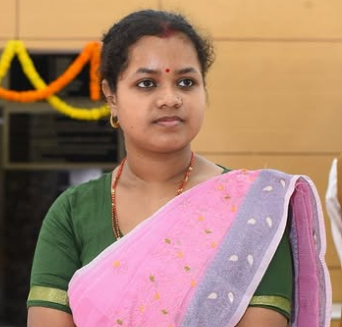
Over the last few months, few Indian content creators have generated as much discussion as Pujarini Pradhan. Known online through her Instagram presence “LifeofPujaa,” she has become one of the most talked-about digital personalities in India
Her rise has been unusually fast. Videos filmed inside her village home in West Bengal began reaching millions of viewers.
Her content combined discussions about literature, feminism, films, daily life and social issues.
Many viewers appreciated her thoughtful presentation and relatable storytelling. However, her sudden popularity also sparked skepticism.
Questions quickly appeared across Instagram, Reddit and other social platforms. Some users began calling her an “industry plant,” suggesting that her success was not entirely organic.
Others defended her and argued that the criticism revealed deeper issues related to class, privilege and assumptions about who can become successful online.
The debate eventually became much larger than one creator. It turned into a national conversation about authenticity, influencer culture, rural representation, social mobility and digital gatekeeping.
This article explores who Pujarini Pradhan is, how she became famous, why the industry plant allegations started and what the controversy reveals about modern creator culture.

Also Read: Britt Barbie Bio: From “Period Ahh” Meme to Internet Creator
Table of Contents
Who Is Pujarini Pradhan?
Pujarini Pradhan is a content creator from rural West Bengal who gained significant attention through short-form social media videos.1
Unlike many influencers who focus on luxury lifestyles, travel content or highly polished studio productions, Pujarini built her audience through videos recorded in everyday surroundings.
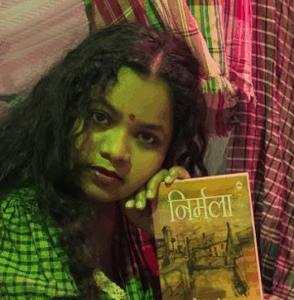
Her content often features her home environment, family moments, books, cultural observations and personal reflections.
What made her stand out was the contrast between her setting and her presentation style.
She spoke confidently about literature, films, feminism and social issues while remaining deeply connected to her rural roots.
Many viewers found this combination refreshing. Her videos gained traction because they felt different from the typical influencer formula.
Rather than chasing every viral trend, she focused on storytelling and commentary.
As her audience expanded, brands began noticing her influence.
Collaborations with companies including Netflix and Audible increased her visibility even further.
These partnerships helped transform her from a niche creator into a widely discussed internet personality.
@desaisantosh explains the stir Pujarini Pradhan @lifeofpujaa has made amongst India’s always online English medium types. Beautifully written.https://t.co/G7lQC1QA2W
— Mukul Kesavan (@mukulkesavan) April 1, 2026
Quick Profile
| Category | Details |
|---|---|
| Full Name | Pujarini Pradhan |
| Popular Name | LifeofPujaa |
| Profession | Content Creator and Influencer |
| Location | West Bengal, India |
| Content Style | Lifestyle, Literature, Social Commentary |
| Main Platform | |
| Known For | Village-based storytelling and cultural discussions |
| Major Discussion | Industry Plant Allegations |
| Audience Interest | Authenticity and representation debates |
| Brand Collaborations Mentioned | Netflix, Audible and other campaigns |
| Viral Period | Early 2026Follower numbers and platform statistics continue to change over time. |
How Did Pujarini Pradhan Become Famous?
The growth of Pujarini’s account happened during a period when audiences were increasingly seeking creators who felt relatable and genuine.2
Many internet users had grown tired of repetitive influencer content featuring luxury products, expensive vacations and highly curated lifestyles.
Pujarini’s videos offered something different.
She discussed:
- Books and reading habits
- Daily village life
- Feminism and gender issues
- Movies and culture
- Personal experiences
- Social observations
Viewers felt they were watching someone who was sharing real thoughts rather than simply promoting products.
Her speaking style also attracted attention. She communicated complex ideas in simple language, making her content accessible to a wide audience.
As engagement increased, social media algorithms pushed her videos to larger audiences.
Viral clips brought thousands of new followers every day.
Eventually, mainstream media outlets began covering her rise.

What Does “Industry Plant” Mean?
Before understanding the controversy, it helps to understand the term itself.
An “industry plant” is commonly used to describe a creator, artist or influencer who appears independent but is believed to have hidden backing from agencies, companie or powerful industry connections.
The accusation usually suggests that:
- Growth is artificially accelerated.
- Professional support is hidden.
- Success is presented as fully self-made.
- Marketing strategies are disguised as organic popularity.
The phrase originally became popular in music discussions but has expanded into influencer culture.
Importantly, being called an industry plant does not automatically mean the accusation is true.
Often the label reflects public suspicion rather than proven evidence.
In Pujarini’s case, no concrete evidence emerged proving that her growth was artificially created.
Why Did People Start Calling Pujarini Pradhan an Industry Plant?
Several factors contributed to the speculation.
Rapid Growth
One of the biggest reasons was the speed of her rise.
Many observers noticed that she gained a large audience despite having a relatively small number of posts.
Critics argued that such growth seemed unusual and questioned whether there was unseen assistance involved.
High-Quality Content
Her videos often appeared polished and well structured.
Some users questioned how a creator working independently could maintain such consistency while producing thoughtful content on a regular basis.
Critics suggested that the level of planning looked professional.
Brand Partnerships
Collaborations with well-known brands became another source of speculation.
When audiences saw partnerships with major companies, some assumed there must have been agency support behind the scenes.
Brand deals are often interpreted as evidence that creators have industry connections.
Contrasting Online Image
Some critics focused on the contrast between her rural surroundings and her articulate discussions about books, culture and global topics.
Supporters argued that this criticism revealed stereotypes rather than genuine concerns.
They questioned why people found it difficult to believe that a woman from a village could be well read, informed and confident.

Pujarini Pradhan’s Response to the Allegations
As the conversation intensified, Pujarini addressed the issue directly.
She stated that she creates her content independently and denied suggestions that an unseen team was producing her videos.
She clarified that while she works with agencies for brand collaborations, the content itself is her own work.
Her response received widespread attention because she remained calm and detailed in her explanation.
Many supporters felt her statement addressed the concerns clearly. Others continued to debate aspects of creator transparency and digital branding.
Regardless of where people stood, her response became one of the defining moments of the controversy.
The Larger Debate About Authenticity
The discussion soon expanded beyond Pujarini herself.
People began asking broader questions:
- What makes a creator authentic?
- Does professional success automatically reduce authenticity?
- How much transparency do influencers owe their audiences?
- Can someone be both strategic and genuine?
These questions are increasingly relevant across social media.
Research on influencer marketing has shown that audiences often struggle to distinguish between organic content and sponsored promotion.
Transparency remains one of the most important issues in creator culture.
At the same time, social media rewards creators who are consistent, professional and highly visible.
Those qualities can sometimes make audiences suspicious even when growth is legitimate.
Why Supporters Defended Pujarini
Many people viewed the criticism as unfair. Supporters argued that skepticism seemed connected to assumptions about class and geography.
Their reasoning included:
Rural Stereotypes
Some viewers felt that critics were uncomfortable seeing a village-based creator discussing intellectual topics in fluent English. Supporters questioned why such characteristics were viewed as unusual or suspicious.
Gender Expectations
Others argued that women creators often face harsher scrutiny than male creators experiencing similar growth.
According to supporters, successful women frequently encounter questions about authenticity that are not applied equally across the industry.
Class Bias
The debate also exposed discussions about privilege. Many defenders suggested that people were more willing to accept educated urban influencers than educated rural influencers.
They argued that audiences often underestimate talent that comes from outside major cities.
Also Read: Gabrielle Carrington Bio: The Story Behind the Controversial Case
What Critics Were Actually Questioning
Not all critics were focused on class or geography.3
Some argued that authenticity-based creators should provide more transparency.
Their questions included:
- How much editing goes into the videos?
- Is there a team helping behind the scenes?
- Are ideas planned in advance?
- How much brand influence exists?
Several online discussions suggested that when authenticity becomes part of a creator’s brand, audiences naturally become curious about the production process.
This perspective does not necessarily accuse creators of dishonesty.
Instead, it focuses on understanding how online personas are constructed.
Social Media’s Obsession With Authenticity
The Pujarini Pradhan debate reflects a larger trend.
Modern audiences constantly search for “real” creators. Ironically, the moment someone becomes successful, people often begin questioning how real they are.
This pattern has become common across platforms.
Creators are expected to:
- Be authentic
- Remain relatable
- Grow quickly
- Maintain high production quality
- Secure brand deals
- Avoid appearing overly commercial
Balancing all these expectations is difficult.
As research on social media trends suggests, audience resonance often matters more than follower counts alone.
Content succeeds when people connect emotionally with it.
Pujarini’s popularity appears to demonstrate exactly that phenomenon.
The Role of Instagram in Her Rise
Instagram’s algorithm played a major role in expanding her audience.
Short-form videos allow creators to reach viewers who do not already follow them. When content performs well, the platform distributes it to wider audiences.
Pujarini’s videos benefited from:
- Strong engagement rates
- Shareable discussions
- Emotional storytelling
- Distinct visual identity
- Consistent posting
These characteristics align closely with content that performs well on recommendation systems.
As a result, her audience grew rapidly.
Celebrity and Public Support
As criticism increased, several public figures and creators defended her.
Supporters emphasized:
- Her originality
- Her storytelling skills
- Her communication style
- Her ability to connect with audiences
Many argued that success should not automatically trigger suspicion.
Media coverage further amplified these discussions, bringing the debate into mainstream conversations about digital culture.

What the Pujarini Pradhan Story Reveals About Influencer Culture
The controversy highlights several realities of today’s creator economy.
Success Creates Scrutiny
The larger a creator becomes, the more people analyze every detail of their content.
Authenticity Is Now a Brand Asset
Audiences increasingly value authenticity. As a result, creators who appear genuine often attract significant attention.
Representation Matters
Pujarini’s rise challenged assumptions about who can become a successful influencer.
Online Debates Reflect Offline Issues
The discussion was not only about social media. It also touched on class, gender, privilege and cultural expectations.
Is Pujarini Pradhan Really an Industry Plant?
Based on publicly available information, there is no verified evidence proving that Pujarini Pradhan is an industry plant.
Most allegations have been based on observations about:
- Rapid growth
- Professional presentation
- Brand collaborations
- Content consistency
Pujarini has publicly denied claims that her content is created by external teams and has stated that she independently produces her work.
As of now, the debate remains largely a matter of opinion rather than documented proof.
Why Her Story Continues to Trend
Several factors keep the discussion alive.
First, audiences remain fascinated by stories of rapid success.
Second, the creator economy continues to grow, making authenticity an increasingly important issue.
Third, Pujarini’s background makes her stand out from conventional influencer narratives.
Finally, the controversy touches on broader social questions that extend far beyond one Instagram account.
Because of this, discussions around her are likely to continue for some time.
View this post on Instagram
FAQ’s
Who is Pujarini Pradhan?
Pujarini Pradhan is an Indian content creator from West Bengal who became popular through Instagram videos discussing daily life, literature, feminism, films and social issues.
Why is Pujarini Pradhan famous?
She became famous for creating thoughtful videos that combine village life with cultural and social commentary. Her unique style helped her gain a large online audience.
Why are people calling Pujarini Pradhan an industry plant?
Some critics questioned the speed of her growth, professional-looking content and brand partnerships. These factors led to speculation that she had hidden industry support.
Has Pujarini Pradhan responded to the allegations?
Yes. She publicly stated that she creates her content independently and denied claims that her platform was artificially built.
Is there proof that Pujarini Pradhan is an industry plant?
No publicly verified evidence has been presented proving that she is an industry plant. Most discussions remain based on opinions and interpretations.
What does LifeofPujaa mean?
LifeofPujaa is the name associated with Pujarini Pradhan’s social media presence and content brand.
Why did the debate become so large?
The discussion expanded because it touched on wider topics including authenticity, class, gender, influencer culture and representation in digital spaces.
Conclusion
Pujarini Pradhan has become much more than a viral influencer.
Her story has evolved into a major conversation about authenticity, representation and opportunity in the digital age.
Whether people view her as an inspiring self-made creator or remain skeptical about her rapid rise, one fact is clear: she has captured public attention in a way few creators manage to do.
The debate surrounding her reflects broader anxieties about influencer culture and how success is perceived online.
At present, no evidence confirms the industry plant allegations.
What remains undeniable is that her content sparked discussions that go far beyond social media metrics.
Her rise has encouraged people to reconsider assumptions about talent, education, class and who gets to occupy influential spaces online.
Also Read: Luciana Virasoro Bio: Why Luciana Virasoro Is Trending Now?