
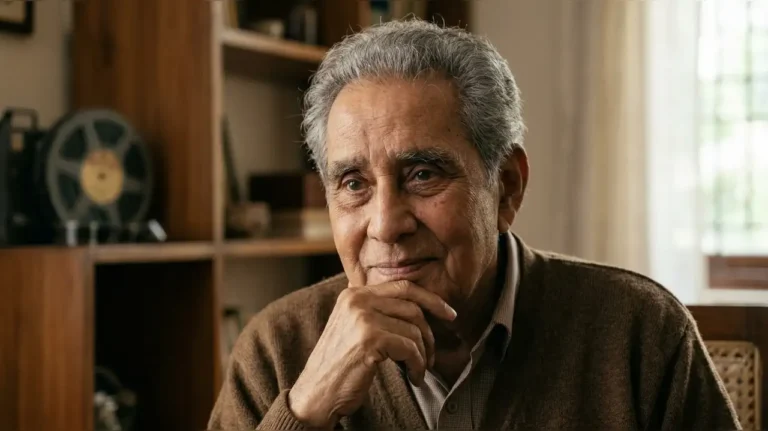
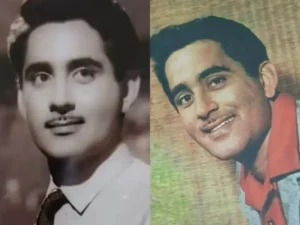
The Indian film industry bid farewell to one of its influential figures with the passing of veteran actor and producer Sudesh Kumar. Best remembered for his lead role in the 1961 classic Saranga and his later work as a film producer, Sudesh Kumar passed away at the age of 95 in Mumbai. His death marks the end of an era that bridged early post-independence cinema and the evolving storytelling of later decades
According to reports, the veteran actor breathed his last at his residence after battling age-related health issues, including breathing complications.
Table of Contents
🕊️ Final Days and Passing
Sudesh Kumar’s final days reflected both resilience and dignity. He had reportedly been admitted to a Mumbai hospital due to breathing difficulties earlier in the week. However, at his own request, he was brought back home, where arrangements were made to provide medical care.1
- He passed away peacefully at his Mumbai residence
- Age at the time of death: 95
- Survived by family members, including his wife and daughter
- Funeral held at Shivaji Park crematorium
His wife shared that he wished to spend his final moments at home rather than in a hospital setting.
👶 Early Life and Background
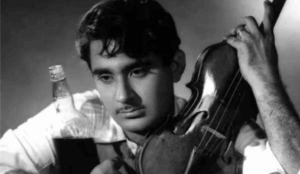
Sudesh Kumar was born as Sudesh Prakash Dhawan in 1931 in Peshawar (now in Pakistan). His early life was shaped by the socio-political changes of the subcontinent, including migration during the Partition era.
Key Background Details
- Birth Name: Sudesh Prakash Dhawan
- Birthplace: Peshawar (now Pakistan)
- Year of Birth: 1931
- Education: Science graduate from Elphinstone College, Mumbai
- Initial Career Aspiration: Medicine (as encouraged by his father)
Despite expectations to pursue a conventional profession, Kumar’s passion for performing arts led him to join the legendary Prithvi Theatre group, where he honed his acting skills.2
🎓 Education and Early Influences
Sudesh Kumar pursued a science degree from Elphinstone College, one of Mumbai’s most prestigious institutions. Initially, he was expected to pursue a stable profession such as medicine—a common aspiration among middle-class families at the time.
However, his exposure to theatre changed his trajectory.
Theatre as a Foundation
- Joined Prithvi Theatre, one of India’s most respected theatre groups
- Learned acting fundamentals including voice control, stage presence, and emotional expression
- Worked alongside seasoned performers, gaining practical experience
This theatrical grounding gave him a naturalistic acting style that stood out in an era often dominated by melodrama.
🎭 Entry Into Cinema
Sudesh Kumar’s journey into films began in the 1950s. His association with theatre helped him transition into cinema, where he initially appeared in smaller roles before gaining recognition.
Early Career Highlights
- Debuted in films during the late 1950s
- Worked with established filmmakers early on
- Appeared in devotional and costume dramas
- Gained visibility through supporting roles
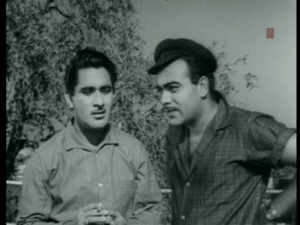
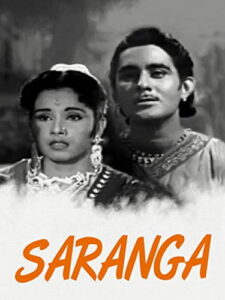
His breakthrough came with the film Saranga (1961), where he played the lead role.3
Actor and producer #SudeshKumar died at 95 in Mumbai after health complications. He is survived by his wife and daughter. A prayer meet is scheduled for the late artist on May 4.https://t.co/fwUNKjtSaV
— IndiaToday (@IndiaToday) May 3, 2026
🎭 Struggles Before Recognition
Before achieving recognition, Sudesh Kumar went through a period of struggle that is typical of many actors but rarely documented in detail.
Early Challenges
- Faced typecasting in minor roles
- Worked in low-budget productions
- Had inconsistent screen presence in initial years
- Competed with emerging stars of the 1950s and 60s
What Helped Him Break Through
- Strong theatre training
- Adaptability across genres
- Willingness to take on diverse roles
These qualities eventually led to his casting in more substantial roles.
🌟 Breakthrough Role: Saranga (1961)
The film Saranga proved to be a turning point in Sudesh Kumar’s career.
Why Saranga Was Significant
- Established him as a leading man
- Known for its tragic love story
- Featured iconic music that remains popular
- Cemented his place in Hindi cinema history
The song “Saranga Teri Yaad Mein” became a timeless classic, adding emotional depth to the film and enhancing Kumar’s on-screen legacy.
🎬 Film Career Overview
Sudesh Kumar’s acting career spanned several decades, primarily during the 1950s–1970s.
Notable Films
| Year | Film | Role Type |
|---|---|---|
| 1959 | Chhoti Bahen | Supporting |
| 1961 | Saranga | Lead |
| 1963 | Bharosa | Supporting |
| 1965 | Khandan | Supporting |
| 1963 | Grahasti | Supporting |
| 1970 | Gopi | Character Role |
He was often seen in:
- Family dramas
- Social films
- Southern remakes
- Character-driven narratives
Kumar became a familiar face in films produced in South India but dubbed or adapted into Hindi, contributing to their commercial success.
🎥 Transition to Film Production
As his acting opportunities declined, Sudesh Kumar successfully transitioned into film production during the 1970s.
Major Productions
| Year | Film | Role |
|---|---|---|
| 1970 | Man Mandir | Producer |
| 1975 | Uljhan | Producer |
| 1975 | Badalte Rishtey | Producer |
| 1987 | Jaan Hatheli Pe | Producer |
One of his most notable productions was Uljhan, a suspense thriller featuring a compelling narrative around a murder investigation.
Highlights of His Production Career
- Focused on suspense and drama genres
- Collaborated with notable actors like Sanjeev Kumar
- Worked with director Raghunath Jhalani
- Produced both critically appreciated and commercial films
👨👩👧 Personal Life
Sudesh Kumar led a relatively private life compared to many of his contemporaries.
Personal Details
- Wife:Jaya Dhawan (married in 1982)
- Children: One daughter (Mishika Dhawan)
- Residence: Mumbai
- Interests: Horse racing, travel, fitness
He was described as an energetic and disciplined individual who remained active even in his later years.
Personal Traits
- Known for his charming screen presence
- Maintained strong industry relationships
- Valued simplicity and privacy
📊 Career Summary Table
| Category | Details |
|---|---|
| Full Name | Sudesh Prakash Dhawan |
| Screen Name | Sudesh Kumar |
| Birth Year | 1931 |
| Death Year | 2026 |
| Age | 95 |
| Profession | Actor, Producer |
| Active Years | 1950s–1980s |
| Breakthrough Film | Saranga (1961) |
| Notable Production | Uljhan (1975) |
🎞️ Contribution to Indian Cinema
Sudesh Kumar may not have been among the most celebrated superstars, but his contributions were significant in shaping mid-20th-century Hindi cinema.
His Legacy Includes:
- Bridging theatre and cinema traditions
- Supporting the growth of socially relevant films
- Contributing to both acting and production
- Being part of iconic musical cinema
He also assisted filmmaker Raj Khosla early in his career, showcasing his versatility behind the scenes.
🧾 Lesser-Known Facts
- His screen name varied across films before settling as Sudesh Kumar
- Initially acted in low-budget films before gaining recognition
- Was associated with prominent theatre personalities
- Maintained physical fitness even in his 90s
❓ Frequently Asked Questions (FAQs)
1. Who was Sudesh Kumar?
Sudesh Kumar was a veteran Indian actor and film producer known for his work in classic Hindi cinema, especially the film Saranga (1961).
2. What was Sudesh Kumar’s age at death?
He passed away at the age of 95.
3. What was his most famous role?
His most notable role was in Saranga, where he played the lead character.
4. Did he work as a producer?
Yes, he produced several films, including Uljhan (1975), a well-known suspense thriller.
5. Where was he born?
He was born in Peshawar (now in Pakistan) in 1931.
🏁 Conclusion
The passing of Sudesh Kumar marks the loss of a dedicated artist whose work quietly shaped an important phase of Indian cinema. From his early days in theatre to his breakthrough in Saranga and his later success as a producer, Kumar’s journey reflects resilience, adaptability, and passion.
While he may not have dominated headlines during his lifetime, his contributions continue to live on through the films he acted in and produced. His legacy remains etched in the golden era of Bollywood—a reminder of an actor who balanced artistry with humility.