


Seo Taiji is one of the most important figures in the history of modern Korean popular music. Long before K-pop became a global industry with groups such as BTS and BLACKPINK, Seo Taiji and Boys changed what young people in South Korea expected from popular music
Now, more than three decades after his breakthrough, Seo Taiji is suddenly back in the spotlight.
The renewed attention is connected to a recent controversy surrounding British band Massive Attack and its performance of “Regret of the Times”, originally released by Seo Taiji and Boys in 1995.
At the Incheon Pentaport Rock Festival on August 1, 2026, Massive Attack performed its own version of the song.
The incident has introduced Seo Taiji’s name to a new generation that may know K-pop but not necessarily know the artist who helped shape its foundations.
So who is Seo Taiji? Why was he so controversial? And why does a song from 1995 still have political relevance in 2026?
Here is everything to know about the Korean music icon and the story behind his renewed popularity.

Also Read: Can Fabio Silva Fill Portugal’s Striker Void?
Table of Contents
Who Is Seo Taiji?
Seo Taiji is the stage name of Jeong Hyeon-cheol, a South Korean singer, songwriter, musician and record producer. He was born on February 21, 1972, in Seoul, South Korea.1
He first became involved in music as a teenager and developed an interest in rock and heavy metal. Before becoming a mainstream star, he joined the Korean heavy metal band Sinawe as a bassist.
His career changed dramatically in the early 1990s when he formed Seo Taiji and Boys with Yang Hyun-suk and Lee Juno.
The trio made their television debut in April 1992 with “Nan Arayo”, also known as “I Know.” The song combined Korean lyrics with hip-hop, new jack swing, dance music and rock influences.
It was a major departure from the music that dominated South Korea at the time.
Pitchfork has described Seo Taiji and Boys as pioneers of K-pop. Their arrival helped shift Korean popular music toward younger audiences and introduced a new combination of music, fashion and choreography.
Seo Taiji was not simply another successful singer. He became a cultural figure because his music often reflected the frustrations of young Koreans.
His songs questioned education, social pressure, conformity and government censorship. That made him especially important to the generation that grew up with his music.
지난 2년간 진행해온 4K 업스케일링 프로젝트를 6월 18일 마지막 업로드를 끝으로 잠정 마무리하게 되었습니다.
그동안 함께해주신 모든 분들께 진심으로 감사드립니다.
🔗 자세한 내용 : https://t.co/FUwe51fouX 출처 @YouTube
— SEOTAIJI (서태지) (@SEO_TAIJI) June 16, 2026
Early Life and Musical Journey
Seo Taiji developed an interest in music at a young age. As a teenager he joined amateur bands before becoming part of Sinawe.
The experience exposed him to heavy metal and underground rock at a time when those sounds were far removed from mainstream Korean pop.
His decision to leave school and pursue music was also significant. Instead of following the traditional educational path expected of young Koreans, he chose a career that was considered unconventional. That rebellious attitude became part of his identity.
When Seo Taiji and Boys appeared in 1992, they did not look or sound like the established Korean pop acts of the period.
Their music was heavily influenced by Western genres but was performed in Korean. This combination proved extremely powerful.
Their first album was released on March 23, 1992. It incorporated elements of new jack swing, hip-hop, R&B, techno and dance music. The album eventually sold more than 1.8 million copies according to commonly cited historical figures.
The group had found a sound that younger listeners immediately understood.
Why Is Seo Taiji Trending Again in 2026?
The immediate reason is Massive Attack.
The British band performed “Regret of the Times” during its appearance at the Incheon Pentaport Rock Festival.
Massive Attack performed parts of the song in Korean and presented the performance as a tribute to Seo Taiji’s fight against censorship.
The group connected the song’s original message with contemporary concerns about political expression and artistic freedom.
The choice of song was significant. Massive Attack could have performed a famous Western hit or one of its own songs.
Instead, it selected a Korean song from 1995 that has a very specific history. That brought Seo Taiji’s name back into public conversation.
For younger international listeners, the performance also became an introduction to a major chapter in Korean music history.
Stats Table
| Category | Details |
|---|---|
| Full name | Jeong Hyeon-cheol |
| Stage name | Seo Taiji |
| Korean name | 서태지 |
| Date of birth | February 21, 1972 |
| Birthplace | Seoul, South Korea |
| Profession | Singer, songwriter, musician, record producer |
| Main instruments | Vocals, guitar, bass |
| Early band | Sinawe |
| Breakthrough group | Seo Taiji and Boys |
| Group active | 1992–1996 |
| Solo career | 1998–present |
| Major genres | K-pop, hip-hop, rap rock, alternative rock, nu metal |
| Famous songs | “Nan Arayo,” “Hayeoga,” “Classroom Idea,” “Come Back Home,” “Regret of the Times” |
| Major cultural impact | Helped shape modern K-pop |
| Major 2026 connection | Massive Attack’s performance of “Regret of the Times” |
The Rise of Seo Taiji and Boys
Seo Taiji and Boys became a cultural phenomenon almost immediately.2
Their debut song “Nan Arayo” became a huge hit despite receiving a poor assessment from television music judges during the group’s first televised performance. That initial rejection did not stop the audience from embracing the song.
The song eventually dominated the charts and became one of the defining recordings of the early 1990s Korean music scene.
Pitchfork notes that the song sold around 1.7 million copies and helped transform South Korea’s music market. The group’s influence went beyond sales.
They helped popularize:
- Hip-hop influences in Korean pop
- Rap in mainstream Korean music
- Dance-focused performances
- Youth-oriented fashion
- Western musical influences
- Social commentary in popular songs
- A stronger connection between pop music and young people’s identity
Their success also helped create the environment in which the modern K-pop industry could develop. That is why Seo Taiji is often described as one of the fathers or pioneers of modern K-pop.
Why Was Seo Taiji So Important to K-Pop?
Modern K-pop is known for elaborate choreography, genre mixing, visual concepts and carefully produced performances.
Many of these characteristics existed in different forms before Seo Taiji. However, Seo Taiji and Boys brought them together in a way that felt completely new to mainstream Korean audiences. Their music was not limited to one genre.
A single record could include hip-hop, rock, electronic music and pop. Seo Taiji also incorporated sounds that were considered unconventional for mainstream Korean entertainment.
This willingness to experiment became one of his trademarks. His influence can also be seen in later generations of Korean artists. BTS, for example, performed songs associated with Seo Taiji during his 25th anniversary concert in 2017.
Billboard described the event as a major celebration of the K-pop originator’s career. This connection matters because it demonstrates how Seo Taiji’s influence moved across generations.
He was not simply popular in the 1990s. His approach became part of the foundation upon which later Korean pop artists built their careers.

Seo Taiji’s Music Was More Than Entertainment
One of the biggest reasons Seo Taiji remains relevant is the social criticism in his music.
He frequently addressed problems that young people were experiencing. The Korean education system was one of his major targets.
The pressure placed on students to succeed academically was reflected in songs such as “Classroom Idea.” The track criticized an education culture that Seo Taiji portrayed as restrictive and overwhelming.
This was controversial because popular singers were not always expected to challenge social institutions so directly.
Seo Taiji did. His songs gave young listeners a way to express frustration with expectations placed on them by parents, schools and society. That made him much more than a pop idol.
He became a voice for the younger generation.
“Classroom Idea” and the Controversies
Seo Taiji’s criticism did not always go unanswered.
“Classroom Idea,” released in 1994, became controversial because of its aggressive criticism of the education system.
The song was also surrounded by bizarre accusations about supposed hidden or satanic messages. Those claims became part of a wider moral panic around the group.
The controversy showed how unfamiliar the group’s music could be to older audiences.
Seo Taiji and Boys were mixing heavy sounds, rap and social criticism in ways that challenged traditional ideas about Korean pop music.
The reaction only increased their cultural significance. Their ability to generate debate became part of the Seo Taiji phenomenon.

What Is “Regret of the Times”?
The song at the center of the current controversy is “Sidae Yugam,” commonly translated as “Regret of the Times.”
It was released in 1995 during the final period of Seo Taiji and Boys. The song is important because it directly confronted censorship and political control.
At the time, South Korea had a system that required popular music to go through pre-release review. Songs considered inappropriate could be edited or rejected. “Regret of the Times” became caught in that system.
The authorities objected to lyrics that were viewed as critical of the government. Seo Taiji refused to rewrite the disputed lyrics.
Instead, the version that appeared on the 1995 album was an instrumental. That decision became part of the song’s history.
The original vocal version was later released after South Korea’s pre-censorship system was abolished in 1996.
Historical accounts frequently connect the public reaction to the controversy surrounding Seo Taiji’s song with the broader movement against music pre-censorship.
That history explains why the song still carries political weight today.
Also Read: Angela Nikolau Age, Bio, Career, Relationship and Net Worth 2026
What Happened at the Festival?
Massive Attack’s performance became controversial because of the political context surrounding it.
The band used political visuals during the performance and framed its interpretation of “Regret of the Times” as an act of solidarity with Seo Taiji’s original confrontation with censorship.
According to The Korea Times, the band described the song as a historical example of an artist resisting authoritarian control.
The controversy escalated after an Incheon city councilor sought a government audit related to the performance.
Critics of that response argued that the situation was deeply ironic. Why?
Because “Regret of the Times” itself became famous for resisting government control over artistic expression.
That means a dispute over whether a foreign band should be investigated for performing the song has inevitably brought attention back to the exact issue Seo Taiji was addressing in the 1990s.
Why Does This Controversy Matter?
The controversy matters because it demonstrates that Seo Taiji’s music was not simply a product of its time.
Its central questions remain relevant. Who gets to decide what artists can say? Should musicians be allowed to criticize governments?
Where should the line between political expression and public responsibility be drawn?
And what happens when an old protest song becomes relevant to a completely different generation?
Those questions are not unique to South Korea. They appear in music scenes around the world.
That is one reason Massive Attack’s decision to perform “Regret of the Times” attracted international attention.
The song’s history gave the performance a meaning that went far beyond nostalgia.
Seo Taiji’s Most Important Songs
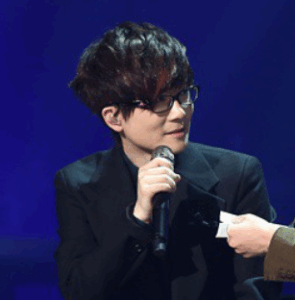
Seo Taiji and Boys produced several songs that became important parts of Korean pop history.3
“Nan Arayo” or “I Know”
This was the song that started everything. Released in 1992, “Nan Arayo” introduced mainstream Korean audiences to the group’s unusual mixture of rap, dance, pop and Western influences. It is often regarded as one of the defining starting points of modern K-pop.
“Hayeoga”
“Hayeoga” demonstrated the group’s ability to move beyond the sound of their debut. It became another major hit and helped establish Seo Taiji and Boys as more than a one-song phenomenon.
“Classroom Idea”
This song attacked the pressures of the Korean education system. Its controversy showed how strongly Seo Taiji was willing to address social issues.
“Come Back Home”
Released in 1995, “Come Back Home” addressed young people who ran away from home. The song was also influenced by gangsta rap and became another example of Seo Taiji’s willingness to bring different genres into Korean mainstream music.
“Regret of the Times”
This is the song at the center of the 2026 controversy. Its history is inseparable from Korea’s censorship system and the debate over artistic freedom.
Seo Taiji and Boys’ Album Sales
Seo Taiji and Boys’ commercial success was extraordinary. Their four studio albums became major sellers in South Korea.
Their fourth album was especially successful. Released in October 1995, it included “Come Back Home” and the controversial “Regret of the Times.”
It has been listed among the best-selling albums in South Korean music history.
| Album | Release Year | Reported Sales |
|---|---|---|
| Seo Taiji and Boys | 1992 | 1.8 million+ |
| Seo Taiji and Boys II | 1993 | 2.2 million+ |
| Seo Taiji and Boys III | 1994 | 1.6 million+ |
| Seo Taiji and Boys IV | 1995 | 2.4 million+ |
What Happened to Seo Taiji and Boys?
Despite their enormous popularity, Seo Taiji and Boys did not have a long career.
The group announced its retirement in 1996.
Their decision shocked fans because they were still extremely successful.
Seo Taiji then spent time outside South Korea before returning to music as a solo artist.
His solo career began in 1998.
Rather than simply repeating the sound of Seo Taiji and Boys, he explored heavier rock and alternative music.
His solo work further established him as an artist who was interested in experimentation rather than following a fixed commercial formula.
Seo Taiji’s Solo Career
Seo Taiji’s first solo album arrived in 1998. The record leaned heavily toward alternative rock and metal influences.
It demonstrated that he was not dependent on the formula that made Seo Taiji and Boys successful.
He continued releasing music over the following decades. One of his later major projects was “Quiet Night,” released in 2014.
Seo Taiji also celebrated his 25th anniversary in 2017 with a major concert featuring performances with younger artists including BTS.
Billboard reported on the event as a celebration of one of the foundational figures of K-pop. This generational connection is important.
Seo Taiji influenced artists who later influenced millions of listeners worldwide.
Why Do People Call Seo Taiji the “President of Culture”?
Seo Taiji has sometimes been referred to as the “President of Culture” because of the enormous influence he had on Korean popular culture. The nickname is not simply about his record sales.
His influence extended into:
- Music
- Fashion
- Dance
- Youth culture
- Television
- Social criticism
- Korean entertainment
- The development of K-pop
He helped demonstrate that young people could become a major force in the Korean entertainment market.
He also proved that commercial pop music could contain serious social commentary. That combination became one of his greatest legacies.

Seo Taiji’s Influence on Modern K-Pop
It is difficult to discuss the development of modern K-pop without discussing Seo Taiji and Boys.
The group helped create a template that later artists expanded. That template included genre experimentation, synchronized performance, youth-focused marketing and strong visual identities.
More importantly, Seo Taiji demonstrated that Korean artists could take global musical influences and reshape them into something distinctly Korean.
This is a crucial part of the K-pop story. K-pop did not simply copy Western music.
Artists took international genres and adapted them to Korean language, culture and audiences.
Seo Taiji and Boys were among the most important early examples of this process.
Why His Political Music Still Resonates
The renewed interest in Seo Taiji is not only about nostalgia. It is about the fact that his music was created around questions that never completely disappeared.
Artists still debate censorship. Musicians still use songs to challenge social institutions.
Young people still experience pressure from education and society. Political music still creates arguments.
And governments and cultural institutions around the world still face questions about how much control they should have over artistic expression.
“Regret of the Times” therefore has a life beyond the 1990s.
Its recent performance by Massive Attack demonstrates that the song can be understood by audiences who were not even born when Seo Taiji and Boys released it.
That is a remarkable achievement for a song more than 30 years old.
Is Seo Taiji Still Active?
Seo Taiji remains an important figure in Korean music, although he has generally maintained a much lower public profile than today’s major K-pop stars.
Unlike contemporary idols who regularly appear on television and social media, Seo Taiji has traditionally kept more distance from the entertainment industry’s constant publicity cycle.
That relative privacy has arguably strengthened his mythology. Every major appearance or anniversary tends to generate renewed interest because he does not appear everywhere.
His influence, meanwhile, remains visible through younger artists and retrospectives of Korean music history.
Why Are Young People Discovering Seo Taiji Now?
The 2026 controversy provides an unusual entry point.
Many younger listeners may have discovered the name Seo Taiji because of Massive Attack rather than through traditional K-pop history. That can lead them back to the original music.
They may then discover that the artist being discussed as a legendary K-pop pioneer was once a controversial young musician who challenged the education system, questioned social expectations and refused to change politically sensitive lyrics.
This makes Seo Taiji’s story particularly interesting today. He is not simply an old K-pop celebrity experiencing a nostalgia cycle.
His music is being discussed because the ideas behind it have once again become part of a public debate.
View this post on Instagram
FAQ’s
Who is Seo Taiji?
Seo Taiji is a South Korean singer, songwriter, musician and record producer. He became famous as the leader of Seo Taiji and Boys, a group widely regarded as one of the foundational acts of modern K-pop.
When did Seo Taiji become famous?
Seo Taiji became a major star in 1992 when Seo Taiji and Boys released “Nan Arayo” or “I Know.” The song became a major hit and changed the direction of Korean popular music.
Why is Seo Taiji trending in 2026?
Seo Taiji is trending again because British band Massive Attack performed “Regret of the Times” at the 2026 Incheon Pentaport Rock Festival. The performance triggered a controversy over political expression and censorship.
What is “Regret of the Times”?
“Regret of the Times” is a 1995 song by Seo Taiji and Boys. It became famous for challenging South Korea’s music censorship system after authorities objected to its politically critical lyrics.
Why was “Regret of the Times” controversial?
The song contained lyrics that were considered critical of the government. Seo Taiji refused to make the requested changes, and the album version was released without the original vocals. The original vocal version was later released after the pre-censorship system was abolished.
Conclusion
Seo Taiji’s sudden return to the spotlight in 2026 is a reminder of just how important he remains to Korean music.
More than 30 years after “Nan Arayo” changed the Korean pop landscape, his name is once again connected to a debate about artistic freedom and censorship.
For older Korean audiences, he represents a defining moment in their youth. For K-pop fans who came later, he represents one of the roots of the genre they know today.
And for new listeners discovering him through the 2026 controversy, his story offers a fascinating reminder that Korean pop music has a long history of experimentation, rebellion and social commentary.
The renewed interest in Seo Taiji may have started with a festival controversy. But the reason the story has lasted is much bigger.
Seo Taiji did not simply make popular music. He helped change what Korean popular music was allowed to say.
Also Read: Luciana Virasoro Bio: Why Luciana Virasoro Is Trending Now?