
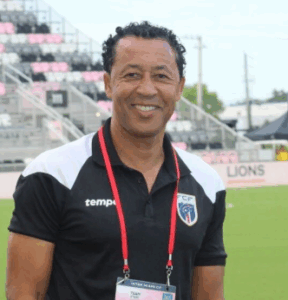
Cabo Verde’s rise in international football has been one of the most inspiring stories in recent years. A nation with a small population and limited football resources has managed to compete against some of the biggest teams in the world. At the center of this success is Pedro Leitão Brito, better known as Bubista
Football fans and analysts have praised Bubista for his leadership, tactical intelligence and ability to build a strong team culture.
Under his guidance, Cabo Verde reached new heights in African football and secured its first-ever FIFA World Cup qualification.
His work has earned admiration from supporters, players and football experts around the globe.
This article explores who Bubista is, his football journey, coaching philosophy, achievements, tactical approach and why he is considered the mastermind behind Cabo Verde’s dream run.
Also Read: Valentina Gomez: Biography, UK Ban and Political Controversy
Table of Contents
Who Is Bubista?
Bubista is a Cape Verdean football coach and former professional footballer.1
Born as Pedro Leitão Brito on January 6, 1970, in Boa Vista, Cabo Verde, he spent many years representing his country as a player before moving into coaching.
His nickname “Bubista” comes from his home island, Boa Vista. As a player, he was a center-back known for his leadership qualities.
He earned 21 caps for the Cabo Verde national team and served as captain for many years.
After retiring, he worked in several coaching roles including assistant coach positions before becoming the head coach of the national team in 2020.
His appointment marked the beginning of a new era for Cabo Verde football. With patience, discipline and a clear vision, he transformed the Blue Sharks into one of Africa’s most competitive national teams.
Cabo Verde manager Bubista spoke about the level of pride he has for his team after an incredible run in this edition of the World Cup:
“Well, first of all, good evening.
First things first: I feel pride in my players and in what they did. They did it with dignity and courage.… pic.twitter.com/YHXPmg2KKh
— José Roberto Nuñez (@JoserNunez91) July 4, 2026
Early Life and Playing Career
Before becoming a respected coach, Bubista was a committed footballer. Growing up in Boa Vista, he developed a love for the game while watching World Cup matches. Football became a major part of his life from an early age.
His professional playing career included spells with clubs in Portugal, Angola and Spain.
Although he did not become a global football star, he earned valuable experience that later helped him as a coach.
He represented Cabo Verde internationally for more than a decade and became a respected leader within the national team setup.
His years as captain gave him a deep understanding of the challenges faced by Cape Verdean football. This experience later shaped his coaching philosophy.
Quick Stats
| Category | Details |
|---|---|
| Full Name | Pedro Leitão Brito |
| Popular Name | Bubista |
| Date of Birth | January 6, 1970 |
| Birthplace | Boa Vista, Cabo Verde |
| Nationality | Cape Verdean |
| Former Position | Centre-back |
| National Team Caps | 21 |
| Coaching Role | Head Coach of Cabo Verde |
| Became Head Coach | 2020 |
| Major Achievement | Led Cabo Verde to first FIFA World Cup qualification |
| Known For | Tactical discipline and team unity |
The Journey Into Coaching
After retiring from football, Bubista moved into coaching and youth development.2
He worked as an assistant coach for Cabo Verde and also managed several domestic clubs.
These years allowed him to learn different aspects of football management. He gained experience in player development, match preparation and tactical planning.
His understanding of local football and his connection with players made him a natural candidate for the national team job.
When he became head coach in 2020, he inherited a talented group but needed to create a clear identity.
Instead of making drastic changes, he focused on building trust, discipline and teamwork.

Building a New Cabo Verde
One of Bubista’s biggest achievements has been creating a united squad.
Many Cabo Verde players were born or raised in different countries. Bringing together footballers from various cultures can be challenging. Bubista focused heavily on relationships and team spirit.
He wanted players to feel connected to the national team and committed to the country’s goals.
He has often emphasized the importance of understanding players as people rather than simply judging them as footballers.
This human approach helped create a strong dressing room atmosphere. The result was a group that played with passion and represented the nation with pride.
Cabo Verde’s Historic Rise
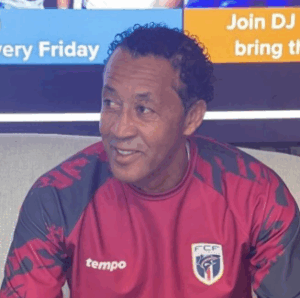
Under Bubista’s leadership, Cabo Verde began producing impressive results on the international stage.
The team qualified for the Africa Cup of Nations and delivered strong performances against more established opponents.
One of the biggest highlights came at the 2023 Africa Cup of Nations where Cabo Verde reached the quarter-finals after securing its first-ever knockout stage victory.
The momentum continued in World Cup qualifying. Cabo Verde achieved a historic breakthrough by qualifying for its first FIFA World Cup.
This achievement placed the nation among football’s biggest success stories.
For a country with a population of around half a million people, qualifying for the World Cup was an extraordinary accomplishment.
The Tactics Behind Cabo Verde’s Dream Run
Defensive Organization
One of the defining features of Bubista’s teams is defensive discipline. Cabo Verde often faces opponents with greater technical quality and deeper squads.
To compete, Bubista developed a compact defensive structure that limits space and frustrates opponents. His players maintain good positioning and work collectively when defending.
This organization allows the team to remain competitive even against stronger nations.
Tactical Flexibility
Bubista does not rely on a single system. Instead, he adapts his tactics according to the opponent.
Against stronger teams, Cabo Verde may defend deeper and look for counterattacks. Against evenly matched sides, the team is willing to press higher and control possession.
This flexibility has become one of the biggest strengths of the national team. Football observers have frequently highlighted the coach’s ability to adjust to different game situations.
Quick Counterattacks
Another important aspect of Bubista’s strategy is rapid transition play.
When Cabo Verde wins possession, players quickly move forward to exploit open spaces. This approach has helped the team score important goals against stronger opponents.
Fast counterattacks allow Cabo Verde to maximize the quality of chances they create without needing to dominate possession.
Teamwork Over Individual Stars
Unlike many national teams that depend on one or two star players, Cabo Verde operates as a collective unit.
Every player understands their role. Defenders, midfielders and attackers contribute equally to the team’s success.
This team-first mentality reflects Bubista’s coaching philosophy and has been a major factor in the country’s rise.
Fearless Football
Perhaps the most admired aspect of Bubista’s work is his belief that Cabo Verde should compete without fear.
He has repeatedly emphasized that his team wants to play football rather than simply defend.
Even against elite opponents, Cabo Verde aims to challenge and compete.
This attitude has earned respect from football fans around the world.
Also Read: Lele Pons Bio: Age, Career, Health Struggles and Viral Fame
Bubista’s Leadership Style
Bubista’s leadership extends beyond tactics.3
Players often speak positively about his honesty and communication. Because he previously served as captain and assistant coach, he understands the pressures faced by footballers.
His experience helps him connect with players on a personal level. He creates an environment where footballers feel valued and trusted.
Strong leadership has played a significant role in maintaining consistency within the national team setup.

Why Football Fans Admire Bubista
There are several reasons why football supporters admire Bubista:
- He transformed a small football nation into a competitive international team.
- He led Cabo Verde to its first FIFA World Cup qualification.
- His teams play with discipline and confidence.
- He emphasizes teamwork rather than individual fame.
- He adapts tactically to different opponents.
- He remains humble despite major achievements.
- He inspires players to believe they can compete with anyone.
These qualities have made him one of the most respected coaches in African football.
Challenges Faced by Bubista
Success has not come easily. Cabo Verde operates with fewer resources than many major football nations.
The country also relies heavily on players based abroad. Managing travel schedules, player availability and limited infrastructure can be difficult.
Yet Bubista has consistently found ways to overcome these obstacles.
His ability to maximize available talent demonstrates strong managerial skills and strategic planning.
Impact on Cape Verdean Football
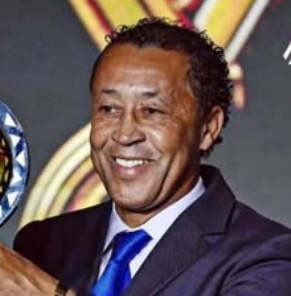
Bubista’s influence goes far beyond results on the pitch. His success has increased interest in football across Cabo Verde.
Young players now have a role model who understands their journey and proves that major dreams are possible.
World Cup qualification also brought international attention to the country’s football system.
Future generations will likely benefit from the foundation he has built.
Bubista’s Legacy and Future Prospects
Bubista has already secured his place in Cape Verdean football history.
Leading the nation to its first World Cup qualification is an achievement that will be remembered for decades.
However, he appears focused on continuing the journey rather than celebrating past success.
His goal is to keep developing players and helping Cabo Verde compete consistently at major tournaments.
If he continues on this path, his reputation could grow far beyond African football.
View this post on Instagram
FAQ’s
Who is Bubista?
Bubista is the nickname of Pedro Leitão Brito, a Cape Verdean football coach and former national team captain who currently manages the Cabo Verde national team.
Why is Bubista famous?
He is famous for leading Cabo Verde to historic achievements including a strong Africa Cup of Nations campaign and the country’s first-ever FIFA World Cup qualification.
What position did Bubista play?
During his playing career, Bubista played primarily as a centre-back.
When did Bubista become Cabo Verde coach?
He became the head coach of the Cabo Verde national team in 2020.
What is Bubista’s coaching style?
His coaching style focuses on defensive organization, tactical flexibility, teamwork, discipline and effective counterattacking football.
How did Bubista help Cabo Verde qualify for the World Cup?
He built a disciplined and united squad, improved tactical structure and guided the team through a successful qualification campaign that secured the nation’s first World Cup appearance.
Why is Cabo Verde’s success considered remarkable?
Cabo Verde is a small island nation with limited football resources. Competing successfully against larger football countries makes their achievements especially impressive.
Conclusion
Bubista’s story is one of dedication, patience and belief.
From representing Cabo Verde as a player to leading the national team as head coach, he has devoted much of his life to improving football in his country.
His tactical intelligence, leadership skills, and ability to unite players have helped transform Cabo Verde into a respected international team.
The historic World Cup qualification and impressive tournament performances are proof of his impact.
More importantly, Bubista has shown that success in football is not determined solely by population size or financial power.
With the right vision, strong leadership and a committed group of players, even a small nation can dream big and achieve remarkable results.