
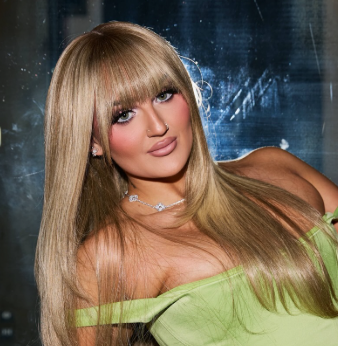
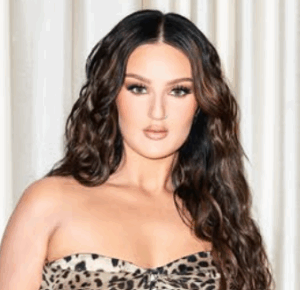
Social media influencers build their careers on trust. Followers watch creators because they believe the person on screen is honest, relatable and authentic. That is why every controversy involving beauty influencer Mikayla Nogueira creates such intense debate online
Over the last few years, Mikayla has become one of the biggest beauty creators on TikTok. Millions of people follow her makeup tutorials, product reviews and lifestyle updates.
She built a reputation for speaking directly to viewers in her signature Boston accent while giving emotional and energetic reactions to beauty products.
At the same time, she has also become one of the internet’s most controversial influencers.
This article explores who Mikayla Nogueira is, why people keep accusing her of being inauthentic, how her controversies became viral internet moments and why audiences remain divided over what is real versus sponsored content.
Also Read: Ruby Franke Biography: Arrest Updates and Current Life Status
Table of Contents
Who Is Mikayla Nogueira?
Mikayla Nogueira is an American beauty influencer, makeup artist and social media personality from Massachusetts.1
She became famous on TikTok during the COVID-19 pandemic after posting makeup tutorials and beauty reviews.
Her rise happened extremely quickly. People were drawn to her direct personality, emotional storytelling and dramatic makeup transformations.
Her thick Boston accent also became a recognizable part of her online identity.
Unlike many polished influencers who presented perfect lifestyles, Mikayla initially built her brand around honesty and relatability.
She openly discussed acne, insecurity, mental health struggles and body image issues. Many viewers felt she was more authentic than traditional beauty influencers.
As her popularity grew, major beauty brands started partnering with her for sponsored campaigns.
She eventually launched her own beauty collaborations and became one of TikTok’s top beauty creators.
However, success also brought criticism. Once money, sponsorships and luxury lifestyles entered the picture, many viewers started questioning whether Mikayla was still the same honest creator they originally followed.
Mikayla Nogueira Divulges “Embarrassing Confession” About Sex With Husband Cody Hawken https://t.co/XN54P6K4FW
— E! News (@enews) February 5, 2026
Stats Table
| Category | Details |
|---|---|
| Full Name | Mikayla Jane Nogueira |
| Profession | Beauty Influencer, Makeup Artist, Content Creator |
| Nationality | American |
| Birthplace | Massachusetts, United States |
| Main Platform | TikTok |
| Content Type | Makeup tutorials, beauty reviews, sponsored content |
| Known For | Viral beauty reviews and Boston accent |
| Major Controversy | 2023 “Lashgate” mascara scandal |
| Brand Collaborations | L’Oréal, Maybelline and other beauty brands |
| Audience Debate | Authenticity, filters, sponsorship transparency |
| Online Reputation | Highly influential but heavily scrutinized |
How Did Mikayla Nogueira Become Famous?
Mikayla’s popularity grew because she understood how TikTok worked better than many older beauty influencers.
Her videos were fast, emotional, loud and visually dramatic.2
Instead of carefully scripted YouTube tutorials, she created short and energetic TikTok clips that immediately grabbed attention. Her strong reactions to beauty products became part of her personal brand.
She also benefited from timing. During the pandemic, millions of people spent hours scrolling through TikTok.
Beauty content exploded during that period. Mikayla stood out because she felt more raw and unfiltered than traditional influencers.
According to an interview with Allure, her influence became massive very quickly and she developed a business model built around sponsorships, affiliate links and brand collaborations.
Her fans appreciated that she often appeared emotional and vulnerable.
She talked openly about anxiety and personal struggles while reviewing products in a conversational way.
That emotional connection helped her build an extremely loyal audience.
Why Are People Accusing Mikayla Nogueira Again?
The current accusations are connected to a larger pattern that has followed Mikayla for years.
Many viewers believe her content no longer feels authentic. Critics often claim:
- Product reviews appear exaggerated
- Sponsored posts feel misleading
- Filters and editing change product results
- Her accent sounds inconsistent
- Emotional videos sometimes appear performative
- Ads are not always clearly separated from personal opinions
These accusations continue resurfacing because viewers now examine influencer content far more critically than before.
The beauty industry on TikTok depends heavily on trust. If audiences suspect a creator is exaggerating results or hiding sponsorship influence, backlash spreads quickly.
Mikayla’s critics argue that her content increasingly feels like marketing instead of honest reviewing.
Her supporters argue that internet audiences expect perfection from influencers while ignoring the reality that content creation is now a business.
The debate has become less about one specific scandal and more about whether audiences can trust influencers at all.
The “Lashgate” Mascara Scandal That Changed Everything
The biggest controversy in Mikayla’s career happened in January 2023.
She posted a sponsored TikTok review for L’Oréal’s Telescopic Lift mascara. In the video, her eyelashes appeared dramatically longer after applying the mascara.
Almost immediately, viewers accused her of secretly wearing false eyelashes while pretending the mascara alone created the effect.
The backlash exploded across TikTok, Twitter, Reddit and YouTube. Critics argued that beauty influencers have a responsibility to show accurate results when promoting products.
According to Time, the controversy raised wider concerns about authenticity among beauty influencers and potential problems with sponsorship disclosure.
Many viewers felt betrayed because Mikayla had built her brand on honesty. Critics argued that using false lashes during a mascara ad crossed an ethical line.
Mikayla denied intentionally misleading viewers. However, the backlash continued for weeks.
The scandal became so massive that it earned the internet nickname “Lashgate.”
Even years later, many people still reference it whenever discussing influencer dishonesty.
Why “Lashgate” Still Follows Her Today
The mascara controversy became symbolic of a larger internet problem.
Audiences already suspected that many influencers exaggerated product effectiveness. The Mikayla scandal simply became the most visible example.
For many viewers, the issue was not just about eyelashes. It was about trust.
People started asking:
- Can influencers honestly review products they are paid to promote?
- Are sponsored beauty reviews inherently misleading?
- How much editing is acceptable?
- Should influencers disclose every enhancement or filter?
Because Mikayla was one of TikTok’s biggest beauty creators, the backlash became larger than her individual brand.
Even in 2025 and 2026, Reddit discussions still reference the mascara controversy whenever new accusations appear.
That shows how deeply the controversy damaged audience trust.
The Filter and Editing Accusations
Another major issue involves accusations that Mikayla uses filters or editing while claiming she does not.
In 2026, discussions about her appearance became viral again after footage from a red carpet event circulated online.
Some viewers claimed she looked very different from how she appears in TikTok videos.
According to her Wikipedia coverage and entertainment reports, the incident triggered renewed criticism about beauty filters and editing transparency.
Mikayla responded by saying she does not use filters in her videos and that people were unfairly attacking her appearance.
The situation reflected a growing frustration online regarding unrealistic beauty standards.
Beauty creators are often accused of:
- Using skin-smoothing filters
- Changing facial structure with editing
- Altering lighting to exaggerate product results
- Creating unrealistic expectations
Critics argue these techniques mislead viewers about how products actually perform.
Supporters counter that almost every creator uses lighting adjustments, camera settings and editing tools.
The line between acceptable enhancement and deceptive editing has become increasingly blurry.
The Accent Controversy
One of the stranger controversies surrounding Mikayla involves her Boston accent.
Some viewers noticed older videos where her accent sounded weaker. They accused her of exaggerating it for branding purposes.
The debate became so widespread that Mikayla publicly addressed it in 2026. She admitted that while the accent is real, she sometimes exaggerates it in videos. For critics, this became another example of performative authenticity.
Many viewers felt the accent controversy mattered because her speaking style was a major part of her relatable image. If audiences believed even her voice was exaggerated for entertainment value, it reinforced doubts about her overall authenticity.
Supporters argued the backlash was unfair because many people naturally change the way they speak in professional settings or online content.
Still, the controversy added another layer to the ongoing debate surrounding her online persona.
Sponsored Content and Audience Distrust
The biggest issue behind all these controversies is sponsored content.
Influencer marketing works because audiences feel emotionally connected to creators.
Brands know followers trust influencers more than traditional advertisements.
But that creates tension. The more sponsorships influencers accept, the harder it becomes for viewers to know when opinions are genuine.
Researchers studying influencer culture have repeatedly found that audiences struggle to distinguish between authentic recommendations and commercial promotion.
This problem affects nearly the entire influencer industry, not just Mikayla.
However, because Mikayla built her brand on honesty and emotional transparency, accusations hit her harder than creators who always presented themselves as luxury marketers.
Viewers who once trusted her personal recommendations now question whether every glowing review is financially motivated. That skepticism fuels every new controversy.
Why Audiences Are More Skeptical Than Ever
Internet audiences have changed dramatically over the last few years.
Earlier influencer culture relied heavily on aspiration. Followers wanted glamorous lifestyles and celebrity-style beauty.
Today, viewers often prioritize authenticity over perfection.
People are more aware of:
- Editing tricks
- Hidden sponsorships
- Affiliate marketing
- Fake reviews
- Paid brand partnerships
This cultural shift explains why influencers face stronger backlash now than in previous years.
Research about misinformation and low-credibility online content shows that audiences are increasingly aware of manipulation tactics online. As a result, viewers closely analyze influencer content for signs of dishonesty.
Beauty influencers especially face pressure because their recommendations directly affect consumer spending.
When someone buys a makeup product because of an influencer review and gets disappointing results, frustration spreads quickly online.
Also Read: Klaudia Zakrzewska Bio: Age, Career and London Crash Details
The Role of Reddit and Online Communities
Reddit communities have played a huge role in maintaining discussions about Mikayla’s controversies.
Subreddits dedicated to beauty influencers often analyze her videos frame by frame. Users debate filters, sponsorships, editing and brand relationships.
Some Reddit discussions are extremely critical and hostile. Others defend her and argue that influencers are unfairly expected to be perfect. These online discussions help controversies stay alive long after viral moments fade.
For example, Reddit users still discuss the mascara controversy years later whenever Mikayla partners with beauty brands again.
This constant scrutiny creates a cycle where every new post becomes evidence for either side of the debate.
Is Mikayla Nogueira Actually Losing Fans?
Despite repeated controversies, Mikayla remains extremely popular.3
That is important to understand.
Internet backlash does not always destroy influencer careers. Sometimes controversy actually increases visibility and engagement.
Many creators survive scandals because:
- Loyal fans continue supporting them
- New viewers discover them through controversy
- Brands still value their large audiences
- Online outrage fades quickly
Mikayla still receives major brand deals and maintains millions of followers.
However, her reputation has clearly changed.
Earlier in her career, she was widely viewed as a refreshingly honest beauty creator. Today, discussions about her often focus on trust, authenticity and sponsorship transparency.
That shift matters because reputation is central to influencer success.
The Double Standard Debate
Some fans believe Mikayla is judged more harshly than other influencers.
Supporters argue:
- Many creators use filters and editing
- Sponsored content is standard across social media
- Critics obsessively target her appearance
- Internet hate campaigns have become excessive
There is truth to some of these arguments.
Beauty influencers across all platforms regularly use lighting, editing and marketing strategies to improve content quality.
Critics often respond that the issue is not editing itself but transparency. They argue Mikayla built her audience on being “real,” which created higher expectations for honesty.
This disagreement explains why conversations about her remain so divided.
How Influencer Culture Has Changed Since TikTok Became Mainstream
The Mikayla controversy also reflects broader changes in influencer culture.
During the early days of beauty YouTube and TikTok, audiences often viewed influencers as relatable friends.
Today, influencer marketing is a multi-billion-dollar industry. Many creators function more like media companies than ordinary people sharing opinions online.
As creators become wealthier and more commercialized, audiences sometimes feel disconnected from them.
That tension appears frequently in discussions about Mikayla. Viewers who originally followed her for honesty now see luxury sponsorships, brand partnerships, expensive homes and heavily produced content.
Some fans accept that evolution as a natural part of success. Others feel it represents a loss of authenticity.
Why Beauty Influencers Face More Scrutiny Than Other Creators
Beauty influencers face unique criticism because their content directly affects physical appearance and purchasing decisions.
When reviewing makeup products, creators influence:
- Consumer spending
- Beauty expectations
- Self-image
- Confidence
That creates ethical concerns around:
- Filters
- Editing
- Sponsored reviews
- Disclosure practices
If viewers believe a product only looks effective because of editing or false lashes, they may see the review as deceptive advertising.
That is why the mascara controversy became such a massive cultural moment.
It touched on larger fears about manipulation in influencer marketing.
Can Influencers Ever Be Truly Authentic?
One reason the Mikayla debate continues is because audiences increasingly question whether authenticity online is even possible.
Influencers carefully choose:
- Camera angles
- Lighting
- Editing
- Brand partnerships
- Personal stories
- Emotional presentation
Even “relatable” content is often strategically created.
That does not necessarily mean creators are lying. But it does mean online authenticity is more complicated than audiences sometimes assume.
Mikayla became a central figure in this conversation because her brand relied so heavily on appearing emotionally genuine.
View this post on Instagram
FAQ’s
Why is Mikayla Nogueira controversial?
Mikayla is controversial because viewers frequently accuse her of exaggerating makeup results, using filters, blurring sponsorship transparency and presenting unrealistic beauty standards.
What was the “Lashgate” controversy?
“Lashgate” refers to the 2023 mascara controversy where viewers accused Mikayla of wearing false eyelashes during a sponsored mascara review video.
Did Mikayla admit to faking her accent?
She admitted in 2026 that her Boston accent is real but sometimes exaggerated in videos for emphasis and entertainment.
Why do people question her authenticity?
People question her authenticity because her content includes heavy sponsorships, dramatic transformations and accusations involving filters or editing.
Is Mikayla still popular despite the backlash?
Yes. Despite repeated controversies, she remains one of the biggest beauty influencers on TikTok and continues partnering with major brands.
Why do beauty influencers face so much criticism?
Beauty influencers affect consumer spending and beauty expectations. Audiences expect transparency because product reviews directly influence purchasing decisions.
Are all influencer reviews sponsored?
No. However, influencer marketing has become extremely common, which is why viewers now question whether positive reviews are financially motivated.
Conclusion
Mikayla Nogueira has become one of the most debated beauty influencers on the internet because she represents a much larger conversation happening online today.
Her controversies are not only about mascara, filters or accents. They reflect growing audience distrust toward influencer culture itself.
Viewers now examine sponsored content far more critically than before.
They question editing techniques, brand partnerships and emotional authenticity. In many ways, Mikayla became the face of that skepticism because her career was built on relatability and honesty.
Supporters believe she is unfairly targeted and held to impossible standards. Critics believe she crossed ethical lines by presenting unrealistic or misleading product results.
The truth likely exists somewhere in between. Influencer culture is built on performance, branding and marketing, yet audiences still crave authenticity from the people they follow.
That tension is why debates surrounding Mikayla continue resurfacing year after year.
As social media evolves, creators and audiences will probably keep struggling with the same question: What does “real” actually mean online?
Also Read: Valentina Gomez: Biography, UK Ban and Political Controversy