

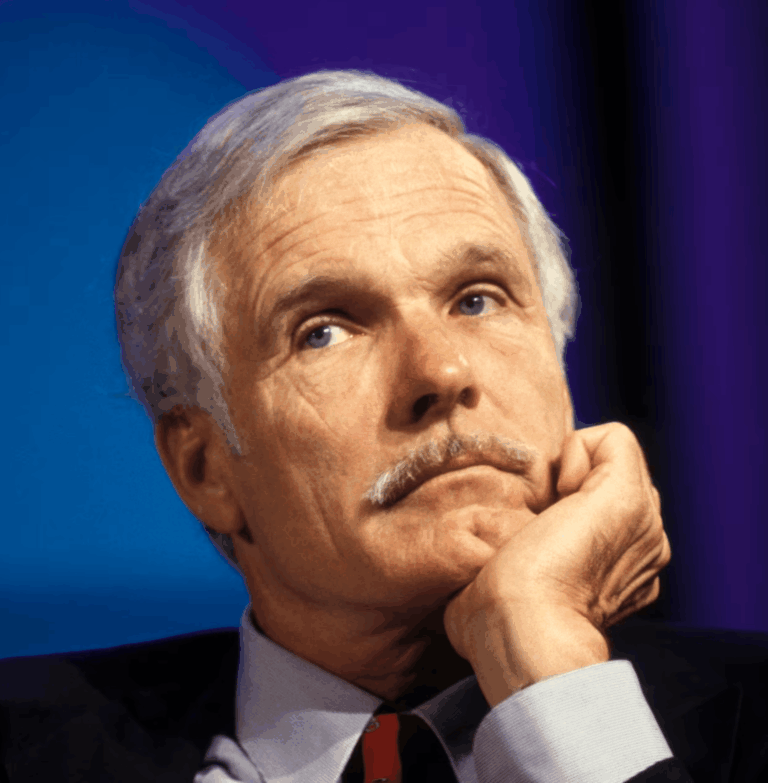
The death of Ted Turner at the age of 87 marks the end of one of the most influential chapters in modern broadcasting history. Turner was far more than the founder of CNN — he was a businessman, philanthropist, environmentalist, sports owner, and larger-than-life public personality whose ideas transformed the way the world consumes news
Known for launching the world’s first 24-hour television news network, Turner revolutionized journalism by proving that audiences would watch breaking news around the clock. His innovations permanently altered television, politics, sports broadcasting, and even philanthropy.
Reports confirmed that Turner died peacefully in May 2026 following years of health struggles, including a public battle with Lewy body dementia. Tributes poured in from journalists, world leaders, media executives, and celebrities who credited him with reshaping global communication.1
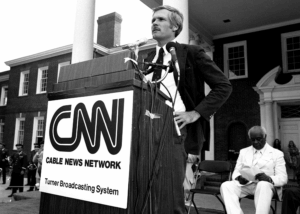
Table of Contents
Ted Turner’s Death and Global Reaction
Media organizations across the world reported Turner’s passing as a historic moment for television journalism. CNN executives described him as the network’s “presiding spirit,” while political leaders and journalists praised his fearless approach to media innovation.
Turner’s death also sparked renewed discussion about his impact on cable television and the uncertain future of modern news media. Several commentators noted that many of today’s digital-first news strategies trace their roots directly to Turner’s groundbreaking vision for continuous coverage.
Ted Turner, the billionaire media entrepreneur and philanthropist who launched the 24-hour cable TV news revolution when he founded CNN in 1980, has died. He was 87. https://t.co/CboJPpPBiC pic.twitter.com/DOKk9QM120
— CNN (@CNN) May 6, 2026
Quick Facts About Ted Turner
| Category | Details |
|---|---|
| Full Name | Robert Edward Turner III |
| Born | November 19, 1938 |
| Birthplace | Cincinnati, Ohio, USA |
| Died | May 6, 2026 |
| Age at Death | 87 |
| Famous For | Founder of CNN |
| Major Networks Created | CNN, TNT, TBS, Cartoon Network, TCM |
| Former Spouse | Jane Fonda |
| Children | 5 |
| Known Nicknames | “The Mouth of the South”, “Captain Outrageous” |
| Major Philanthropy | $1 billion donation to the United Nations Foundation |
Early Life and Family Background
Ted Turner was born into a wealthy but emotionally difficult household in Cincinnati, Ohio. His father, Robert Edward Turner II, operated a successful billboard advertising business that later became Turner Advertising.
Although Turner grew up in privilege, his childhood was marked by intense pressure from his father, who was known for his strict and often harsh parenting style. Turner later admitted that these early experiences shaped both his fierce competitiveness and emotional volatility.
The family eventually relocated to Atlanta, Georgia, where Turner attended school before studying at Brown University. However, he did not graduate after being expelled due to disciplinary issues.
Despite setbacks during his youth, Turner displayed strong entrepreneurial instincts from an early age.
Also Read: Who Is Cam Higby? Politics, Pentagon Access, and Viral Debate
Taking Over the Family Business
A major turning point in Turner’s life came in 1963 after his father died by suicide. At just 24 years old, Turner unexpectedly inherited the family advertising company.
Rather than simply maintaining the business, Turner aggressively expanded it. He moved into radio broadcasting and later television ownership, purchasing struggling media outlets and transforming them into profitable ventures.
This period established Turner’s reputation as a bold risk-taker willing to challenge established industries.2
The Creation of CNN
In 1980, Turner launched the Cable News Network (CNN), a concept that many experts believed would fail.
At the time, television news was limited to scheduled bulletins aired a few times each day. Critics argued that no audience existed for 24-hour news coverage.
Turner disagreed.
He believed viewers would eventually demand instant updates during major world events. CNN officially launched on June 1, 1980, permanently changing journalism.
The network initially struggled financially, reportedly losing millions of dollars each month in its early years. However, CNN gained credibility during major international crises, including:
- The Gulf War
- The fall of the Berlin Wall
- The Tiananmen Square protests
- Space Shuttle disasters
- Presidential elections
CNN’s real-time reporting made it a global news powerhouse.3
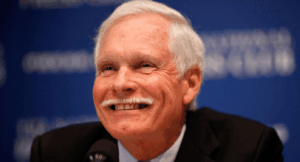
How Ted Turner Revolutionized Television
Turner’s influence extended far beyond CNN. He fundamentally changed the economics and structure of cable television.
Innovations Introduced by Turner
- 24-hour rolling news coverage
- National “superstation” broadcasting
- Satellite television expansion
- Specialized cable channels
- Cross-platform sports broadcasting
- International cable news distribution
Before Turner, most television networks operated within regional limitations. Turner used satellite technology to distribute programming nationally, helping create the modern cable television model.
Also Read: Guy Fieri Controversy: What’s His Connection to Andrew Tate?
Turner Broadcasting Empire
Turner expanded his empire rapidly throughout the 1980s and 1990s.
Major Channels Founded or Acquired
| Network | Purpose |
|---|---|
| CNN | 24-hour news |
| Headline News | Continuous short news updates |
| TBS | Entertainment and syndicated programming |
| TNT | Movies and drama programming |
| Cartoon Network | Animated entertainment |
| Turner Classic Movies | Classic cinema preservation |
Turner’s channels reached millions of households worldwide and helped establish cable television as a dominant force in entertainment.
Ted Turner and Sports Ownership
Turner also became deeply involved in professional sports.
Teams Associated With Turner
- Atlanta Braves (MLB)
- Atlanta Hawks (NBA)
- Atlanta Thrashers (NHL/WBA ownership interests)
- World Championship Wrestling (WCW)
One of his biggest achievements involved transforming the Atlanta Braves into a nationally recognized franchise through TBS broadcasts. Because Braves games aired nationwide, the team became known as “America’s Team.”4
The Rise and Fall of WCW
During the 1990s, Turner heavily supported World Championship Wrestling (WCW), which became WWE’s biggest competitor during the famous “Monday Night Wars.”
WCW achieved enormous ratings success with stars like:
- Hulk Hogan
- Sting
- Ric Flair
- Goldberg
- Kevin Nash
Although WCW eventually collapsed after the AOL-Time Warner merger, Turner’s involvement permanently changed professional wrestling television.
Personal Life and Relationships
Turner’s personal life was frequently discussed in the media because of his outspoken personality and high-profile marriages.
Marriages
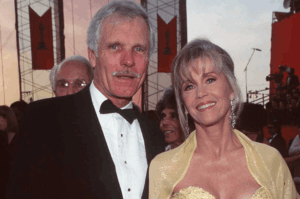
Turner married three times during his life. His most famous marriage was to actress and activist Jane Fonda.
Their relationship attracted major media attention throughout the 1990s. Fonda later described Turner as charismatic, adventurous, emotionally intense, and deeply romantic.
The couple divorced in 2001 but remained publicly respectful toward one another for years afterward.
Ted Turner’s Personality and Public Image
Turner became famous for his unpredictable comments and controversial statements.
His outspoken behavior earned him nicknames including:
- “Captain Outrageous”
- “The Mouth of the South”
Despite controversies, many colleagues admired his willingness to challenge industry norms.
Journalists often described Turner as:
- Fearless
- Competitive
- Eccentric
- Visionary
- Rebellious
Philanthropy and Environmental Activism
Turner was one of America’s most significant philanthropists.
In 1998, he pledged $1 billion to establish the United Nations Foundation, one of the largest charitable commitments ever made at the time.
His philanthropy focused on:
- Nuclear disarmament
- Environmental protection
- Wildlife conservation
- Global health
- Diplomacy initiatives
Turner also became one of America’s largest private landowners and maintained the world’s largest privately owned bison herd.
Also Read: Nicole Saphier News: Trump’s Surgeon General Pick Spark Debate
Health Problems and Lewy Body Dementia
In 2018, Turner publicly revealed that he had been diagnosed with Lewy body dementia, a progressive neurological disorder.
The condition affected his memory, movement, and daily functioning. By openly discussing the disease, Turner helped increase public awareness about dementia-related illnesses.
Reports later stated that Turner had also been hospitalized with pneumonia in early 2025.
The Famous CNN “Doomsday Video”
One of the strangest stories connected to Turner resurfaced following his death: CNN’s infamous “doomsday video.”
Before CNN launched, Turner reportedly instructed staff to prepare a final broadcast video intended to air only if the world ended.
The clip featured military bands performing the hymn “Nearer, My God, to Thee.”
The mysterious recording became legendary inside CNN and later leaked online years afterward.
Ted Turner’s Legacy in Journalism
Few individuals have influenced journalism as profoundly as Ted Turner.
His Lasting Contributions
- Created the first successful 24-hour news network
- Popularized live breaking-news coverage
- Expanded global television journalism
- Changed sports broadcasting distribution
- Built modern cable television infrastructure
- Inspired future media entrepreneurs
Modern digital news culture — including live streaming, instant alerts, and nonstop reporting — can largely be traced back to Turner’s original CNN model.
Why Ted Turner Remains Historically Important
Turner was never simply a businessman. He was a disruptor who consistently challenged established systems.
At various points, critics called him reckless, unrealistic, or controversial. Yet many of his supposedly impossible ideas later became industry standards.
Even decades after founding CNN, Turner continued to symbolize innovation in media.
His death represents not only the loss of a business titan but also the passing of one of the last major architects of modern television.
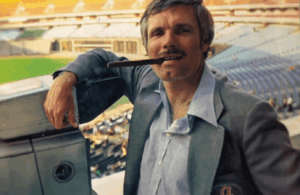
Ted Turner Career Timeline
| Year | Milestone |
|---|---|
| 1963 | Took over family billboard company |
| 1970 | Purchased first television station |
| 1976 | Created WTBS superstation |
| 1980 | Founded CNN |
| 1985 | Attempted CBS takeover |
| 1988 | Launched TNT |
| 1991 | Named Time Magazine’s Person of the Year |
| 1992 | Founded Cartoon Network |
| 1996 | Merged Turner Broadcasting with Time Warner |
| 1998 | Donated $1 billion to UN Foundation |
| 2018 | Revealed Lewy body dementia diagnosis |
| 2026 | Died at age 87 |
Frequently Asked Questions (FAQs)
Who was Ted Turner?
Ted Turner was an American media entrepreneur best known for founding CNN, the world’s first 24-hour cable news network.
How old was Ted Turner when he died?
He died at the age of 87 in May 2026.
What illness did Ted Turner have?
Turner publicly revealed in 2018 that he had Lewy body dementia.
What companies did Ted Turner create?
He founded or developed CNN, TNT, TBS, Cartoon Network, Turner Classic Movies, and several other cable properties.
Was Ted Turner married to Jane Fonda?
Yes. Turner and actress Jane Fonda were married from 1991 until 2001.
Why is Ted Turner important?
He revolutionized global journalism by creating the first successful 24-hour television news network.
What was Ted Turner’s net worth known for?
Turner became one of America’s richest media moguls through Turner Broadcasting before later focusing heavily on philanthropy and conservation.
What was the CNN “doomsday video”?
It was a secret emergency broadcast video commissioned by Turner to air at the end of the world.
Final Thoughts
Ted Turner’s story represents one of the most extraordinary transformations in media history. From inheriting a billboard company to building a global broadcasting empire, Turner repeatedly defied expectations.
His creation of CNN altered journalism forever, while his investments in sports, entertainment, philanthropy, and environmental conservation expanded his influence far beyond television.
Although his later years were marked by health struggles, Turner’s impact on global media remains immense. Every breaking-news alert, live international broadcast, and continuous news stream reflects the legacy of the man who believed the world would eventually want news every minute of every day.
Also Read: Erika Kirk Controversy: Leadership, Viral and Influencer Politics