

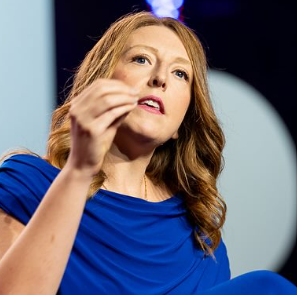
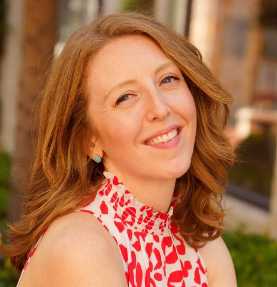
In early 2026, Dr. Casey Means became one of the most talked-about figures in American public health and politics
A Stanford-trained physician, wellness entrepreneur and prominent voice in the “Make America Healthy Again” (MAHA) movement, she was nominated for one of the most visible roles in U.S. healthcare: Surgeon General.
Her nomination was initially celebrated by supporters who saw her as a fresh voice challenging traditional healthcare systems.
However, what followed was a dramatic collapse of her candidacy. The nomination stalled, faced intense scrutiny and was eventually withdrawn by former President Donald Trump in April 2026.
The controversy surrounding Casey Means did more than derail one nomination.
It ignited a national conversation about the role of influencers in medicine, the importance of scientific credibility and the growing intersection between politics, health and social media.
This article explores who Casey Means is, what led to the collapse of her Surgeon General bid and why her case has become a defining moment in modern healthcare debates.
Also Read: Gabrielle Carrington Bio: The Story Behind the Controversial Case
Table of Contents
Who is Casey Means?
Early Life, Education and Career Path
Casey Means built her reputation on a blend of traditional medical education and modern wellness advocacy.1
After completing her studies at Stanford University, she began surgical residency but did not finish the program.
Instead, she pivoted toward preventive health and metabolic wellness. This decision shaped her public persona.
Rather than focusing on clinical medicine, Means became known for advocating lifestyle-based approaches to disease prevention.
She co-authored the book Good Energy, which emphasizes diet, lifestyle and metabolic health as key drivers of chronic disease outcomes.
Her ideas gained traction online, especially among audiences seeking alternatives to conventional healthcare.
Over time, she transitioned from physician-in-training to health influencer and entrepreneur.
Her rise reflects a broader shift in how medical information is consumed today, with social media playing a major role.
Rise as a Wellness Influencer
Casey Means gained prominence not through hospital work but through digital platforms.
She became a leading voice in the wellness space, promoting ideas such as:
- Food as medicine
- Metabolic health as the root of chronic disease
- Reduced reliance on pharmaceuticals
- Lifestyle changes over clinical intervention
Her message resonated with millions.
Supporters viewed her as a reformer challenging a broken healthcare system.
Critics, however, saw her approach as overly simplistic and sometimes lacking scientific rigor.
Her alignment with the MAHA movement, led by Health Secretary Robert F. Kennedy Jr., further amplified her influence.
The movement focuses on reducing chronic disease through lifestyle changes and environmental reforms.
This growing influence eventually led to her nomination for Surgeon General.
Thank you @DonaldJTrumpJr! https://t.co/LxsRw2mnQD
— Casey Means, MD (@CaseyMeansMD) May 7, 2025
Key Facts
| Category | Details |
|---|---|
| Full Name | Casey Means |
| Profession | Physician, wellness entrepreneur, author |
| Education | Stanford University (medical degree) |
| Specialty | Did not complete surgical residency |
| Medical License | Reportedly inactive during nomination scrutiny |
| Known For | Wellness advocacy, metabolic health, MAHA movement |
| Nomination | U.S. Surgeon General (2025–2026) |
| Outcome | Nomination withdrawn in April 2026 |
| Replacement | Dr. Nicole Saphier |
| Key Controversy | Vaccine stance, medical credentials, influencer role |
The Surgeon General Nomination
Casey Means was nominated as part of a broader effort to reshape public health leadership.2
Her supporters believed she represented a shift away from traditional medical thinking toward preventive care.
However, from the beginning, the nomination faced skepticism.
The role of Surgeon General requires:
- Strong clinical and public health experience
- Broad credibility across political lines
- Trust from the medical community
Means’ background raised questions on all three fronts.

Why Her Nomination Faced Scrutiny
1. Medical Credentials
One of the biggest concerns was her clinical experience. Means had:
- Not completed her surgical residency
- No active medical license at the time of scrutiny
- Limited experience treating patients
Critics argued that the Surgeon General must have deep clinical and public health expertise. Means’ career shift into wellness entrepreneurship made some lawmakers question her readiness for the role.
2. Vaccine Views
Her stance on vaccines became a major flashpoint.
During Senate hearings, Means avoided giving clear endorsements of standard vaccinations such as measles and flu shots. This raised alarms among lawmakers from both parties.
In a country facing declining vaccination rates, this ambiguity was seen as a serious concern.
3. Influence of the MAHA Movement
Means’ close ties to the MAHA movement also contributed to the controversy.
While supporters praised the movement’s focus on chronic disease, critics argued it blurred the line between science and ideology. The involvement of Robert F. Kennedy Jr., known for controversial vaccine views, intensified scrutiny.
4. Financial and Ethical Questions
Lawmakers also questioned potential conflicts of interest related to:
- Wellness products
- Health-related business ventures
- Promotion of lifestyle programs
These concerns raised doubts about whether her recommendations would remain unbiased.
5. Senate Opposition
Key Republican senators, including Bill Cassidy, played a major role in blocking her nomination. Without sufficient support, her confirmation became unlikely.
The lack of bipartisan backing ultimately sealed her fate.

What Happened to Her Nomination?
After months of delays and mounting criticism, the nomination collapsed.
On April 30, 2026, Donald Trump officially withdrew Casey Means’ nomination and replaced her with Dr. Nicole Saphier.
The decision came after it became clear that Means could not secure enough Senate votes to advance.
The withdrawal marked the end of a controversial and highly publicized nomination process.
Key Timeline of Events
- 2025: Casey Means nominated for Surgeon General
- Late 2025: Nomination stalls in Senate committee
- Early 2026: Confirmation hearings raise concerns
- February 2026: Scrutiny intensifies over vaccine stance
- March 2026: Bipartisan doubts grow
- April 30, 2026: Nomination officially withdrawn
- Aftermath: Nicole Saphier named as replacement
Why This Story Matters
The collapse of Casey Means’ nomination is not just a political story. It reflects deeper changes in society.
1. Rise of Influencers in Medicine
Means represents a new type of medical figure: the influencer doctor.
Unlike traditional physicians, influencer doctors:
- Build audiences online
- Communicate directly with the public
- Often challenge mainstream medical views
This shift has benefits but also risks.
2. Trust vs Popularity
One of the central debates is whether popularity should translate into authority.
Means had a strong following. However, critics argued that:
- Social media influence is not a substitute for clinical expertise
- Public health roles require scientific consensus, not personal branding

3. Politicization of Healthcare
The nomination highlighted how political ideology is shaping healthcare leadership.
Public health decisions are increasingly tied to:
- Political movements
- Cultural debates
- Media narratives
This makes consensus more difficult.
4. Public Confusion Around Health Information
The case also revealed how difficult it is for the public to navigate health information today.
Conflicting messages from:
- Influencers
- Politicians
- Medical institutions
have created widespread confusion.
Supporters vs Critics
Supporters’ View
Supporters of Casey Means argued that:
- She represents a necessary disruption
- Traditional medicine focuses too much on treatment, not prevention
- Her message resonates with real patient experiences
They believed her rejection showed resistance to change.
Critics’ View
Critics, including many in the medical community, argued that:
- Her lack of clinical experience was disqualifying
- Her vaccine stance posed public health risks
- Influencer culture should not shape national health policy
Also Read: Joel Webbon Biography: Controversy, Backlash and Trolling Wave
The Role of Senate Hearings
The Senate confirmation process played a crucial role in shaping public perception.3
During hearings, Means:
- Avoided clear answers on vaccines
- Emphasized patient autonomy
- Focused on lifestyle approaches
This approach did not satisfy lawmakers seeking clear scientific positions. The hearings exposed the gap between her philosophy and traditional public health expectations.
Broader Impact on Public Health Leadership
The fallout from this nomination may influence future appointments.
Stricter Vetting
Future nominees may face:
- More scrutiny of credentials
- Closer examination of public statements
- Greater focus on scientific alignment
Reduced Role for Influencers
The case may discourage selecting candidates primarily known for social media influence.
Reinforcement of Traditional Standards
The outcome suggests that:
- Clinical experience still matters
- Scientific consensus remains essential
- Public trust depends on credibility
Media Coverage and Public Reaction
The story dominated headlines for weeks.
Media outlets highlighted:
- Her unconventional background
- Her ties to controversial figures
- The broader political implications
Public reaction was divided. Some saw her as a victim of the system, while others viewed the outcome as necessary.
Lessons from the Casey Means Controversy
This episode offers several important lessons:
- Credentials Matter: High-level medical roles require proven expertise.
- Clarity is Crucial: Ambiguity on key issues like vaccines can be damaging.
- Influence Has Limits: Social media popularity does not guarantee institutional trust.
- Public Health Requires Consensus: Leadership roles demand alignment with established science.
View this post on Instagram
FAQ’s
1. Who is Casey Means?
Casey Means is a Stanford-trained physician and wellness influencer known for promoting metabolic health and lifestyle-based approaches to disease prevention.
2. Why was she nominated for Surgeon General?
She was nominated as part of a broader effort to bring new perspectives into public health, especially focusing on chronic disease and prevention.
3. Why did her nomination fail?
Her nomination failed due to concerns about her medical credentials, vaccine stance and lack of bipartisan support.
4. What were the main criticisms?
Critics pointed to:
- Incomplete medical training
- Inactive medical license
- Ambiguous vaccine views
- Potential conflicts of interest
5. Who replaced her?
Dr. Nicole Saphier was nominated as her replacement after the withdrawal.
6. What is the MAHA movement?
“Make America Healthy Again” is a movement focused on reducing chronic disease through lifestyle changes and health policy reforms.
7. Did politics play a role?
Yes. Political divisions and lack of Senate support were key factors in the collapse of her nomination.
8. What does this mean for influencer doctors?
It raises questions about whether social media influence should translate into authority in public health leadership.
9. Was her nomination unusual?
Yes. It was uncommon for someone with limited clinical experience and strong ties to a political movement to be nominated for such a high-level medical role.
10. What is the main takeaway?
The case highlights the importance of balancing innovation with scientific credibility in healthcare leadership.
Conclusion
The story of Casey Means is more than a failed nomination. It is a reflection of a changing world where medicine, media and politics are deeply intertwined.
Her rise shows the power of new voices in healthcare. Her fall underscores the enduring importance of credibility, experience and scientific consensus.
As healthcare continues to evolve, the debate sparked by her nomination will likely shape how future leaders are chosen.
The central question remains: Can influence replace expertise in medicine or must the two work together?
For now, the answer appears clear. Influence alone is not enough.
Also Read: Priya Patel Bio: Viral Fame, Controversy and Global Reactions